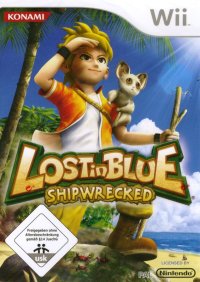
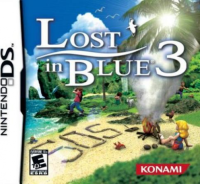
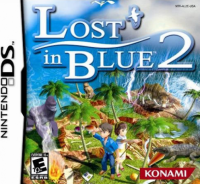
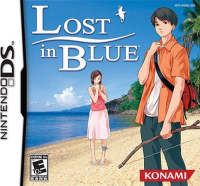
The Lost in Blue series is a spiritual successor to Konami's Survival Kids franchise, focusing on characters shipwrecked on deserted islands. The series includes Lost in Blue (2005), Lost in Blue 2 (2007), and Lost in Blue 3 (2007) for the Nintendo DS, alongside the Wii release Lost in Blue: Shipwrecked (2008). Players must manage survival mechanics like hunger, thirst, and stamina while exploring the environment to find a way home.
Konami utilized the unique hardware capabilities of the Nintendo DS to define the gameplay of the early titles. In
Lost in Blue, players use the DS microphone to blow on embers to start fires and the touchscreen to mimic physical actions like digging for clams, skinning bark, and spear-fishing. The sequel,
Lost in Blue 2, expanded these interactions with dual-character perspectives, allowing players to experience the narrative as either the male or female protagonist, each possessing distinct physical strengths and weaknesses.
By
Lost in Blue 3, the playable roster grew to four distinct characters, introducing branching storylines and cooperative multiplayer minigames. The transition to home consoles with
Lost in Blue: Shipwrecked adapted these mechanics for the Wii Remote, incorporating motion-controlled tasks such as sawing wood and shaking trees, alongside a pet companion system. Throughout these releases, the franchise maintained a reputation for high difficulty, driven by the constant urgency of keeping both the player character and their companion alive. While critics often polarized over the repetitive nature of the daily chores, the series gained a dedicated cult following for its realistic, uncompromising approach to wilderness survival.