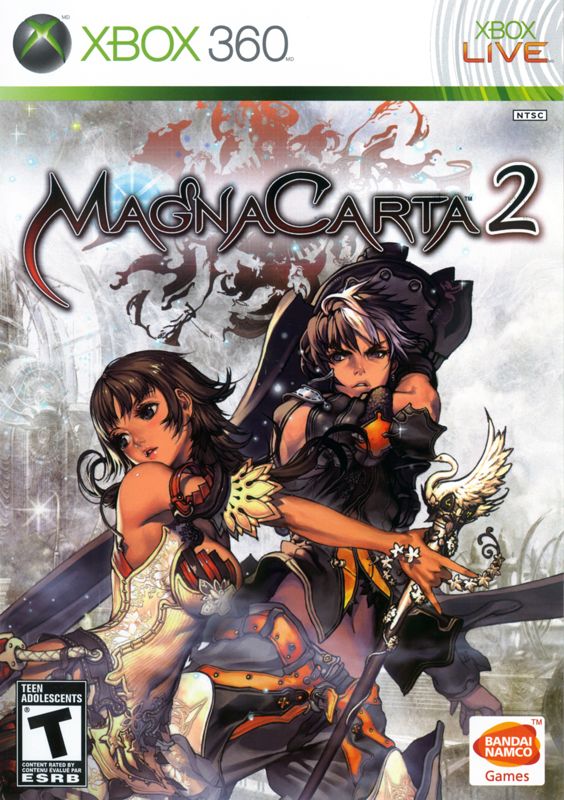
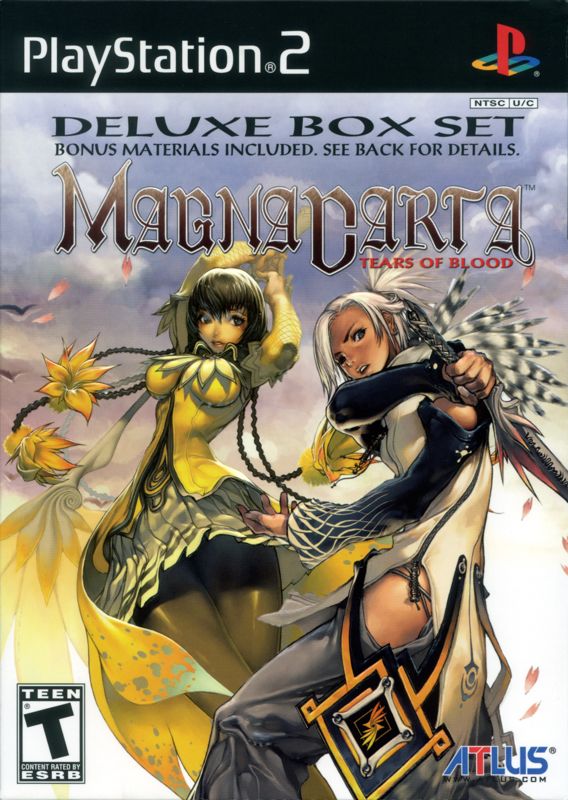
The Magna Carta series is a franchise of Korean role-playing games that began with Magna Carta: The Phantom of Avalanche in 2000. It gained international recognition with the release of Magna Carta: Tears of Blood (known in Japan as Magna Carta: Maguna Karuta) in 2004 for the PlayStation 2, and was followed by the Xbox 360 sequel Magna Carta 2 in 2009.
Developed by South Korean studio Softmax, the franchise is distinguished by the highly stylized character designs of artist Hyung-tae Kim. The initial PC release,
Magna Carta (2000), established the series' signature focus on intricate fantasy narratives and elemental mechanics. For its international console debut,
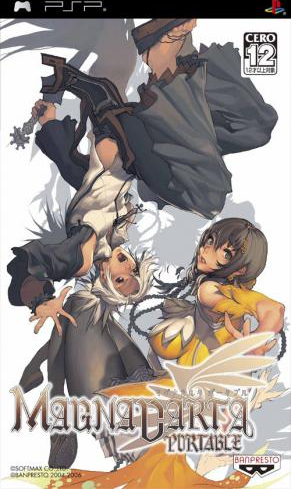
Magna Carta: Maguna Karuta (2004)—distributed in North America by Atlus—the developers introduced the "Trinity Ring" system, a rhythm-based combat mechanic requiring precise button inputs. A portable PlayStation Portable port followed, supported by promotional releases like the
Magna Carta [Trade Demo] (2005).
The series transitioned to seventh-generation consoles with
Magna Carta II (2009), also released as
Magna Carta 2 (2009). Published globally by Bandai Namco Games, this installment shifted the gameplay to a real-time, seamless action-role-playing system, discarding the turn-based structures of its predecessors. The release was accompanied by dedicated English-language strategy guides, such as the
Magna Carta 2 [BradyGames] (2009) guidebook. Throughout its run, the series served as a prominent showcase for Korean game development on the global stage, blending traditional Eastern role-playing tropes with distinct visual aesthetics.





.png)

.png)