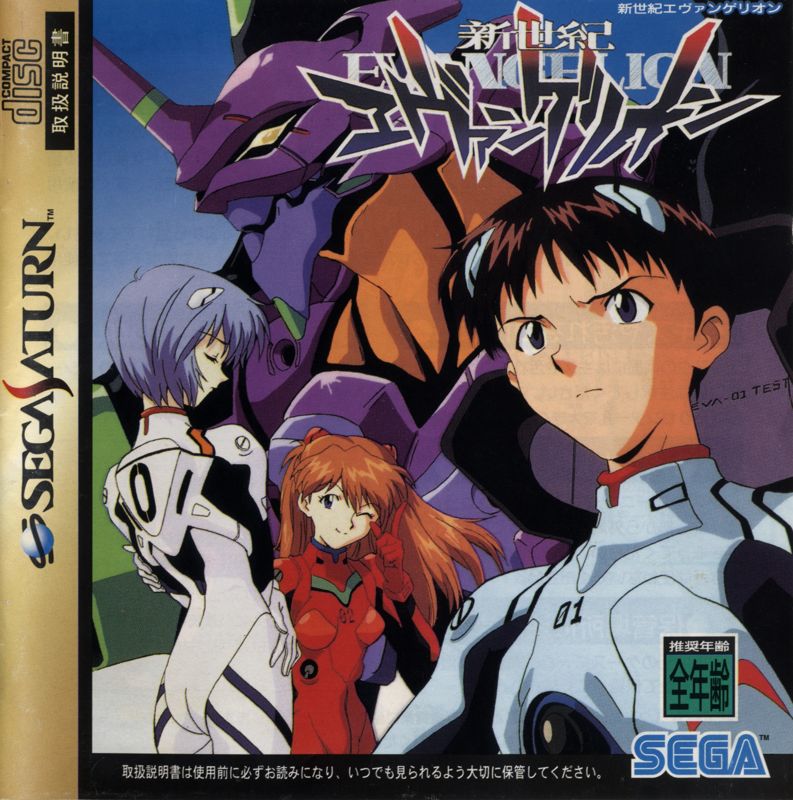
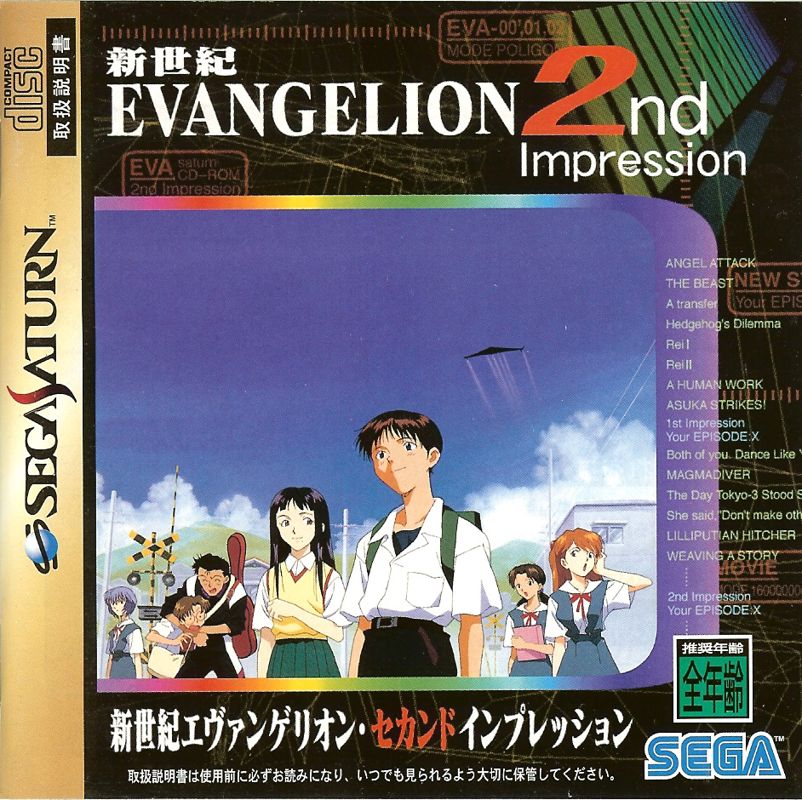
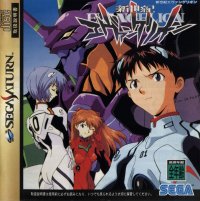
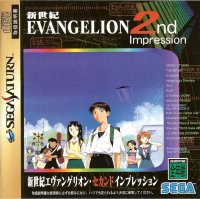
The Neon Genesis Evangelion video game series adapted the acclaimed 1995 anime into various interactive formats in the late 1990s. Early releases on the Sega Saturn, such as the 1996 self-titled game and 1997's 2nd Impression, combined interactive anime elements with combat. The franchise expanded with the visual novel Girlfriend of Steel in 1998, a 3D fighting game for the Nintendo 64 in 1999, and the WonderSwan pet-raising simulation Shito Ikusei in 1999.
These early adaptations relied heavily on the involvement of Gainax's original production staff and voice cast to maintain narrative authenticity. In
Neon Genesis Evangelion: 2nd Impression, developers introduced Mayumi Yamagishi, a depressed transfer student who became a central figure in the game's original scenario. Similarly,
Neon Genesis Evangelion: Girlfriend of Steel expanded the franchise's lore by introducing Mana Kirishima, offering players alternative romantic subplots that contrasted with the television series' psychological dread.
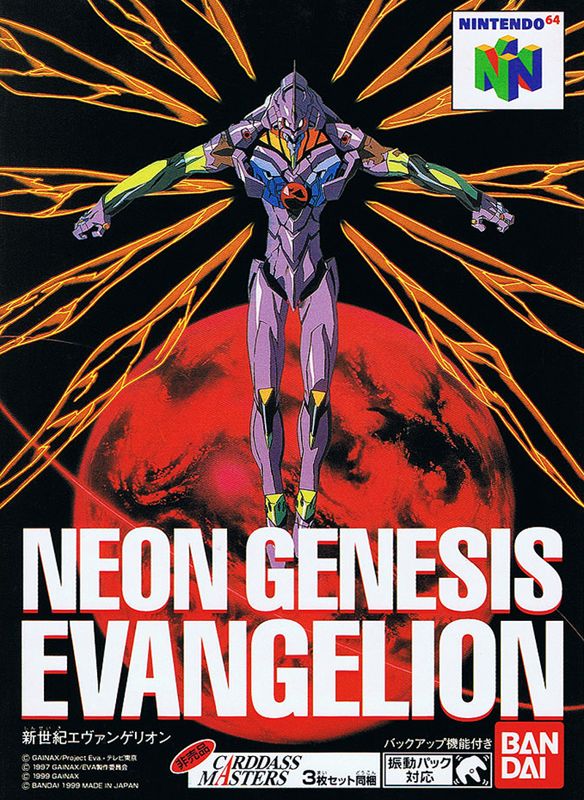
Technological transitions shaped the gameplay of later releases. The 1999 Nintendo 64 release,
Neon Genesis Evangelion, pushed the console's hardware to replicate iconic battles from both the television series and the feature film
The End of Evangelion, utilizing stylized polygonal graphics and rhythm-based inputs. Meanwhile, the handheld
Neon Genesis Evangelion: Shito Ikusei leveraged the Bandai WonderSwan's hardware, allowing players to rotate the console vertically to monitor their Angel's growth. Together, these titles established a template for anime spin-offs, prioritizing original narrative branches and character interactions over standard genre conventions.
_1.png)
_1.png)
.png)
.png)
_1.png)
.png)
_1.png)
.png)
_1.png)

.png)

_1.png)



_1.png)




_1.png)
.png)

.png)
_1.png)

.png)
_1.png)