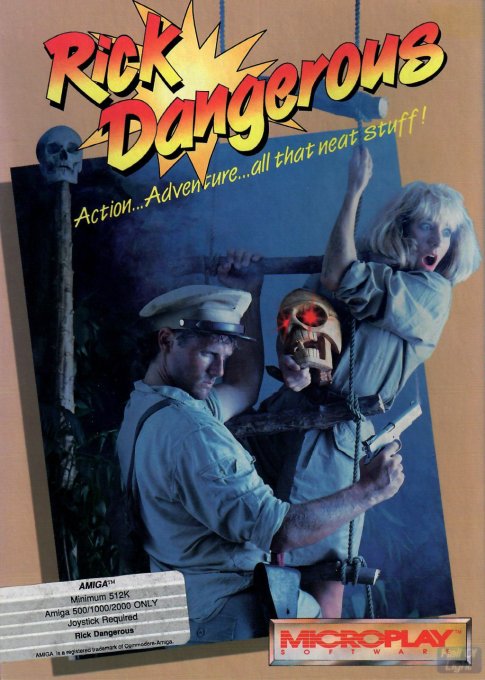
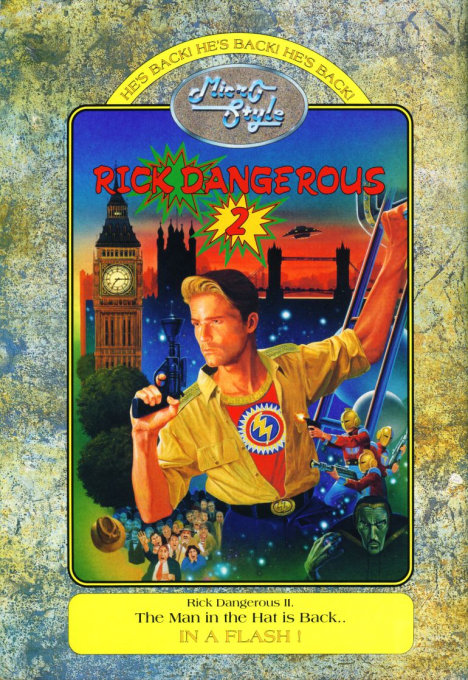
The Rick Dangerous series began with the release of the self-titled game Rick Dangerous in 1989, followed by the sequel Rick Dangerous 2 (also known as Rick Dangerous II) in 1990. Developed by Core Design, these platformers are highly regarded for their challenging gameplay, puzzle-like trap memorization, and parodies of popular adventure films. Compilation releases like Rick Dangerous: The Adventure Starts Here later packaged these titles for various home computer systems.
Originally published by Firebird Software, the debut title
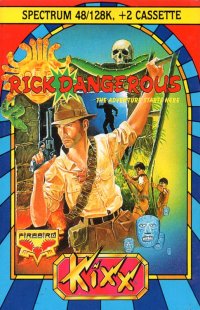
Rick Dangerous (1989) quickly found a broad audience across major 8-bit and 16-bit home computers, including the Amiga, Atari ST, Commodore 64, Amstrad CPC, and ZX Spectrum. Its commercial success prompted budget re-releases, such as
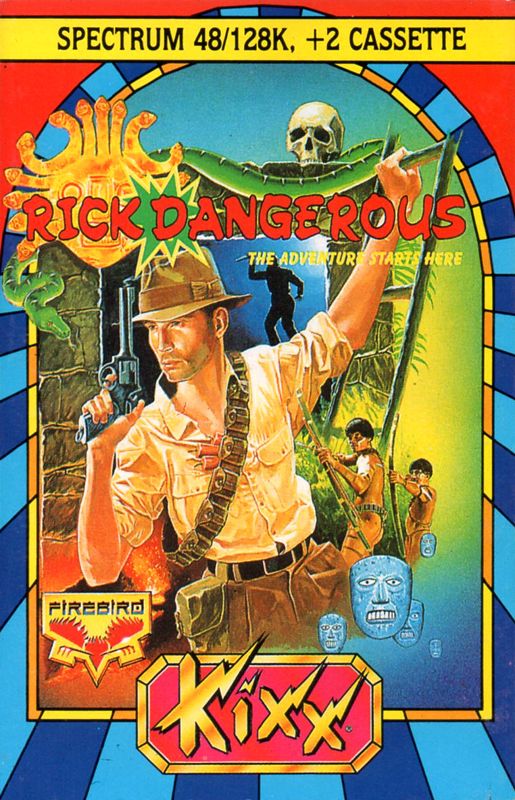
Rick Dangerous [Kixx] (1989) under MicroProse's budget label.
The franchise expanded its narrative scope across its releases. In the first game, players guided the protagonist through locations like an Amazonian temple, an Egyptian tomb, and an enemy fortress. The sequel,
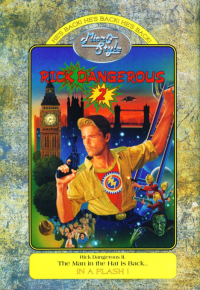
Rick Dangerous II (1990) (also distributed as
Rick Dangerous 2), shifted the setting to a science-fiction theme featuring alien invasions, futuristic caverns, and atomic mud mines.
The series maintained its presence into the mid-1990s with re-releases like the 1993 edition of
Rick Dangerous 2 and the compilation
Rick Dangerous: The Adventure Starts Here (1993). Armed with a pistol, dynamite, and a poking stick, the character's exploits laid the thematic groundwork for developer-related archetypes, directly influencing the conception of the
Tomb Raider franchise.
.png)
.png)

.png)




.png)