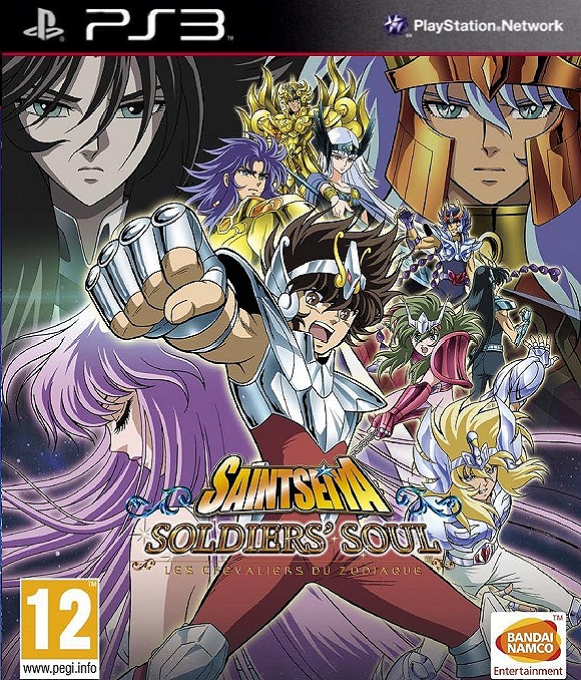
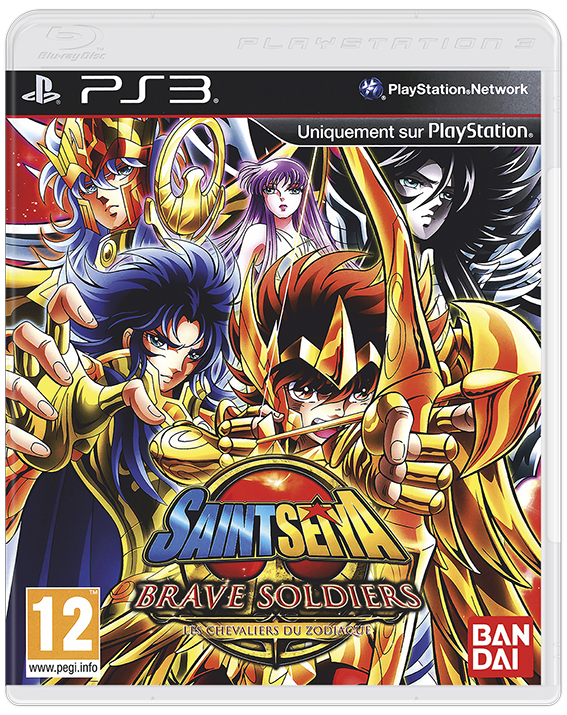
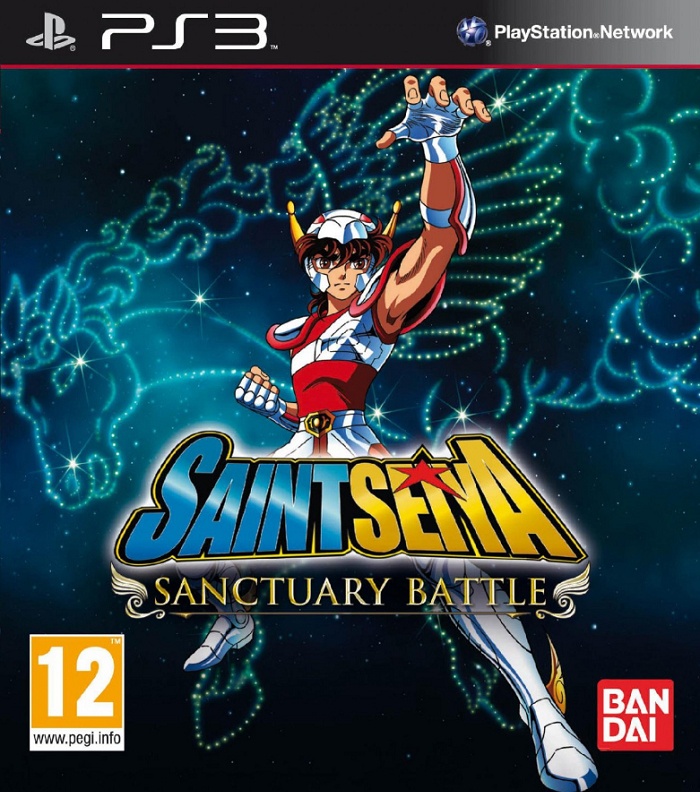
The Saint Seiya video game series adapted the popular manga and anime franchise into various genres, starting with Famicom RPGs like Saint Seiya: Ougon Densetsu (1987) and Saint Seiya: Ougon Densetsu Kanketsu-hen (1988). Later entries transitioned to 3D fighting games, including Saint Seiya: The Sanctuary and Saint Seiya: The Hades, which brought the series' signature cosmic battles to modern consoles. The franchise also saw compilations and remakes, such as Saint Seiya: Ougon Densetsu Hen [Perfect Edition] in 2003.
Bandai spearheaded the development of these adaptations, beginning with the Famicom titles
Saint Seiya: Ougon Densetsu (1987) and
Saint Seiya: Ougon Densetsu Kanketsu-hen (1988). These early releases established a unique hybrid system, combining side-scrolling platforming with turn-based combat menus. This mechanical foundation was later updated for the WonderSwan Color in
Saint Seiya: Ougon Densetsu Hen [Perfect Edition] (2003).
As the franchise transitioned into the 2000s, the gameplay shifted toward cinematic, one-on-one fighting games on the PlayStation 2. This era produced
Saint Seiya: Chapter Sanctuary (2000) and
Saint Seiya: Battle Sanctuary (2000), which allowed players to navigate the Twelve Temples using stylized combos and special "Big Bang" attacks. The European and international localization of these titles, such as
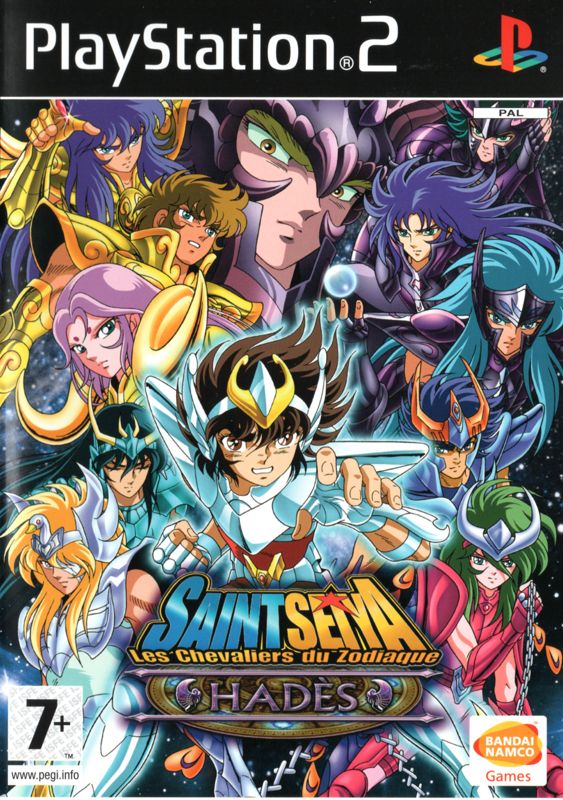
Saint Seiya: Le Chevaliers du Zodiaque Hades (2000), expanded the franchise's reach to active fanbases in France, Spain, and Latin America. These releases, alongside
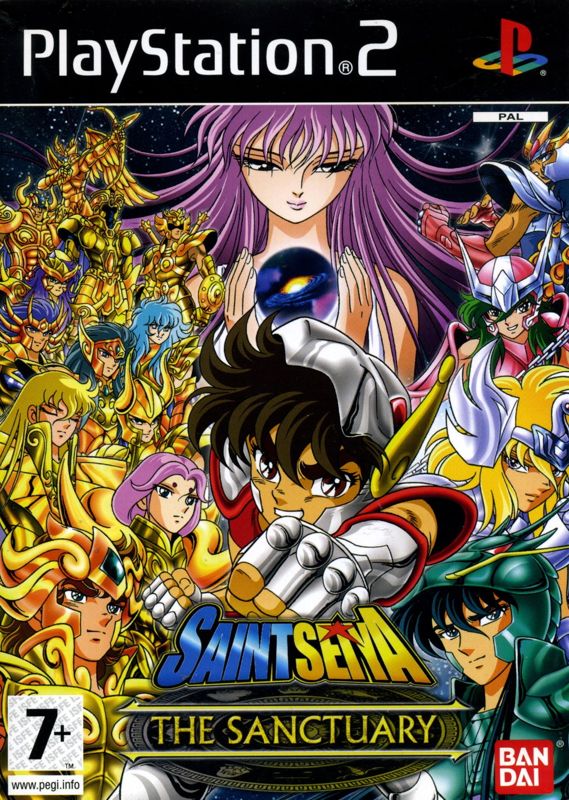
Saint Seiya: The Sanctuary (2000) and
Saint Seiya: The Hades (2000), emphasized voice acting from the original anime cast and dramatic, story-driven campaign modes that recreated key confrontations from the Poseidon and Hades story arcs.
_1.png)
_1.png)
 (PSN).png)
_1.png)
.png)
.png)







_1.png)
.png)

.png)

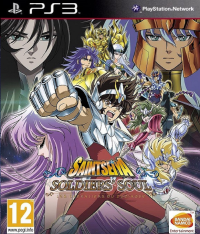
_1.png)
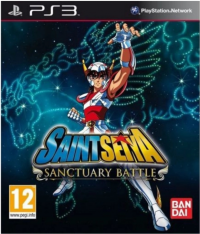
 (PSN).png)

_1.png)
