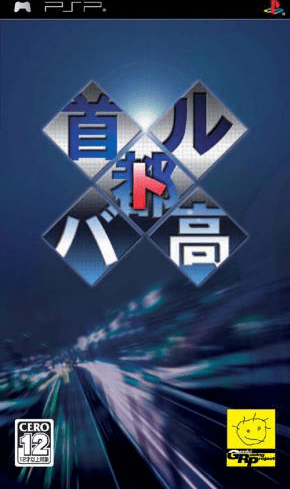
The Shutokou Battle series originated in the 1990s with titles like Shutokou Battle 94: Drift King and Shutokou Battle 97: Drift King. It gained widespread recognition with the releases of Shutokou Battle (1999) and Shutokou Battle 2 (2000) on the Sega Dreamcast. These games form the foundation of the Tokyo Xtreme Racer franchise, focusing on illegal night racing on the Shuto Expressway.
Developed primarily by Genki, this racing series established its identity by blending highway racing with unique fighting-game mechanics. Early entries on the Super Famicom and PlayStation, including
Shutokou Battle 2: Drift King (1995),
Shutokou Battle 2 (1995), and
Shutokou Battle: Drift King (1996), featured involvement from professional racing driver Keiichi Tsuchiya. These early releases laid the technical groundwork for the franchise's signature physics and opponent AI.
A defining feature introduced to the series is the "Spirit Points" (SP) system. Instead of traditional lap-based time trials, players engage in one-on-one battles where keeping the lead drains the opponent's SP bar, a mechanic that intensified the simulation of high-speed highway duels. While Japanese releases retained the original branding, international localizations by publishers like Crave Entertainment rebranded the titles for Western audiences, establishing the
Tokyo Xtreme Racer name in North America and
Tokyo Highway Challenge in Europe. This localization strategy helped the niche Japanese highway racing culture find a global audience, securing the franchise's legacy as a pioneer of the highway racing subgenre.
_1.png)
_1.png)
_1.png)
.png)
.png)
.png)
.png)
.png)

.png)

.png)
_1.png)



.png)

.png)


.png)

_1.png)

_1.png)
.png)
.png)