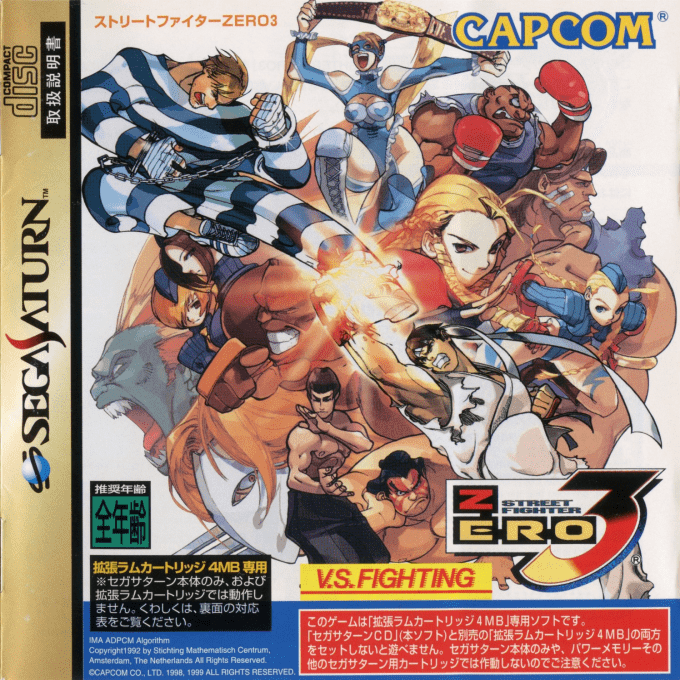
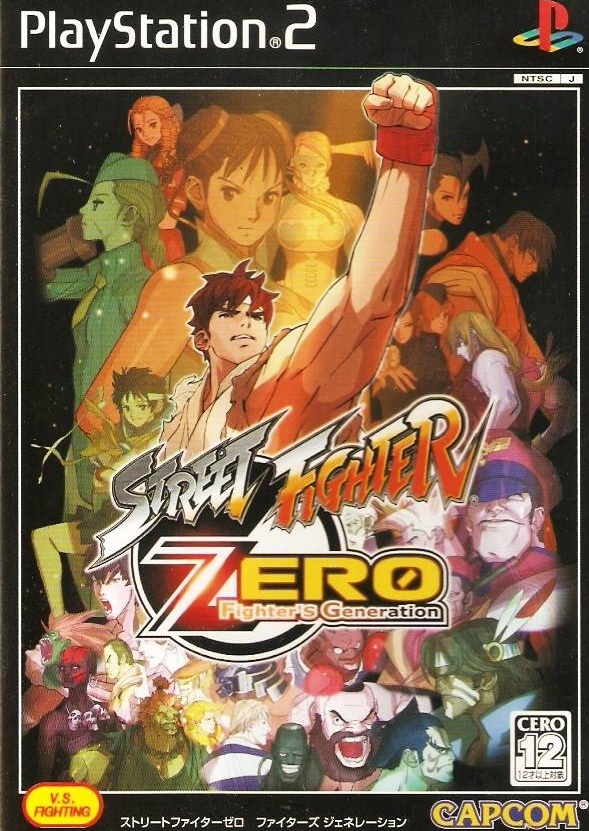
The Street Fighter Zero series began with the 1995 arcade release Street Fighter Zero, introducing new mechanics like Alpha Counters and Custom Combos. It was followed by Street Fighter Zero 2 in 1996 and Street Fighter Zero 3 in 1998, which received various home console ports on platforms like the PlayStation and Sega Saturn. The series bridges the narrative gap between the original Street Fighter and Street Fighter II.
Developed on the CP System II arcade hardware, this sub-series distinguished itself with a vibrant, anime-inspired art style that departed from the visual design of previous entries. Capcom utilized the prequel setting to integrate characters from the
Final Fight franchise, such as Guy and Sodom, alongside debuting fighters like Sakura Kasugano, Rose, and the comedic Dan Hibiki.
Following the initial arcade launch of
Street Fighter Zero (1995), Capcom expanded the franchise's reach with home console conversions, including a 1996 release of
Street Fighter Zero (1996). The sequel,
Street Fighter Zero 2 (1996), refined the gameplay systems and was later repackaged for budget-conscious consumers through Japanese re-releases such as
Street Fighter Zero 2 [Playstation the Best] (1998) and
Street Fighter Zero 2 [SegaSaturn Collection] (1998), alongside standard standalone editions of
Street Fighter Zero 2 (1998). The mainline trilogy concluded with
Street Fighter Zero 3 (1998), which introduced the "Ism" variable fighting styles. This era established mechanical and aesthetic foundations that persisted throughout subsequent Capcom fighting titles.
_1.png)
.png)
.png)
.png)