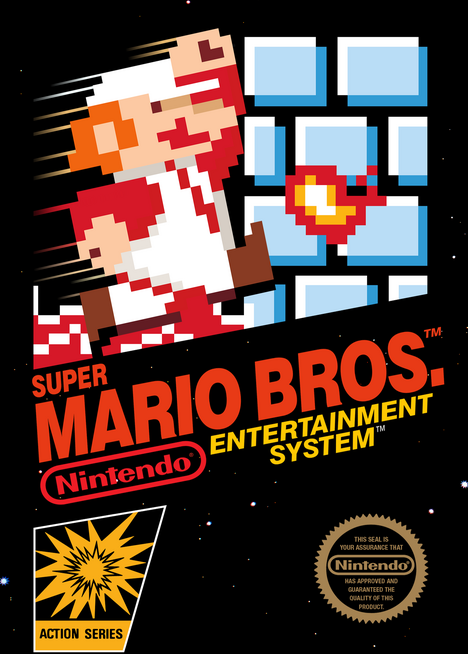
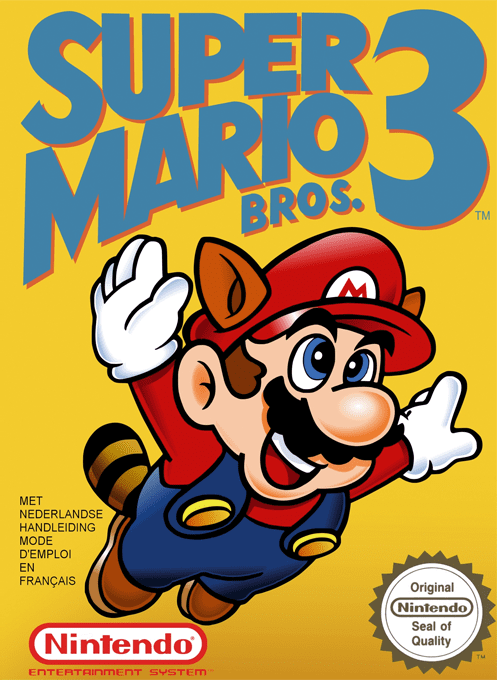
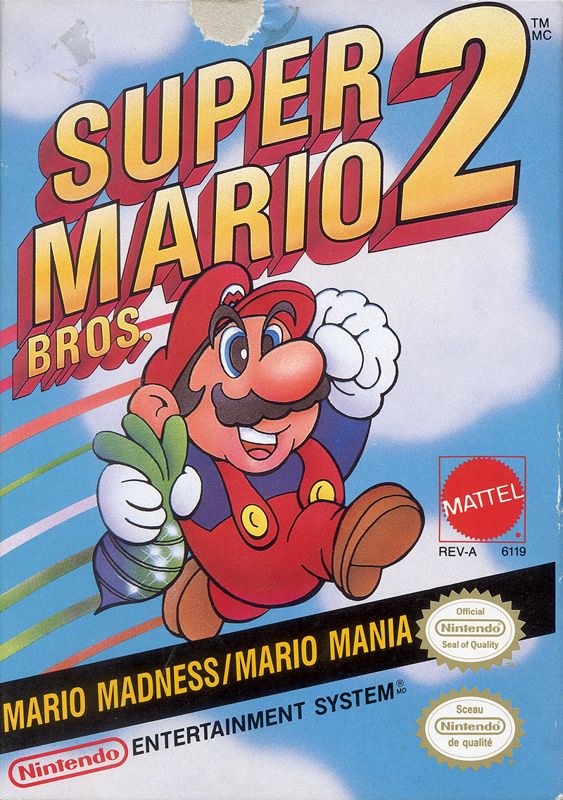
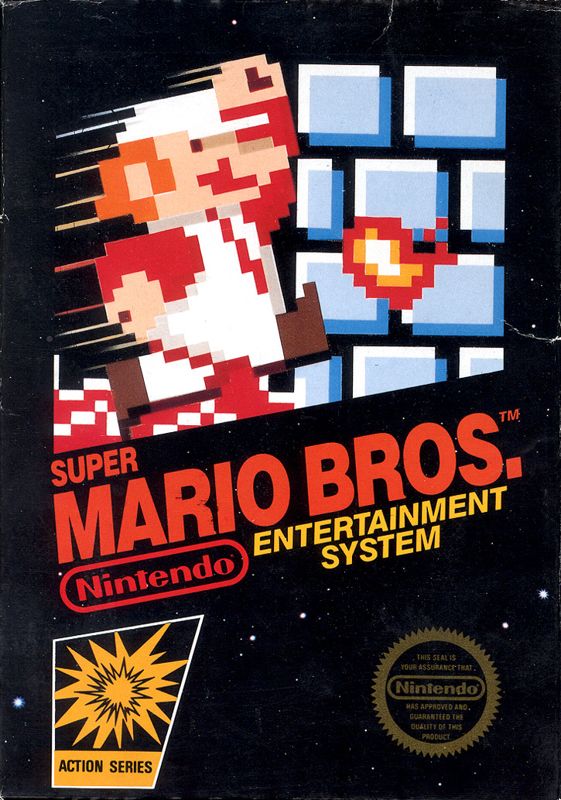
This series began with the 1985 release of Super Mario Bros. on the NES and Famicom Disk System, followed by Super Mario Bros. 2 in 1986. Developed by Nintendo, these foundational platformers established the core mechanics and characters of the broader Super Mario franchise.
Designed by Shigeru Miyamoto and Takashi Tezuka, the initial 1985 release of
Super Mario Bros. underwent several physical and regional iterations. Early North American runs of the Nintendo Entertainment System cartridge featured a physical "5 Screw" casing design, which later transitioned to a three-screw format. In Japan, the game was ported to the Famicom Disk System and adapted into unique promotional versions, such as the
Super Mario Bros. [YM-801] edition released in 1986.
The high difficulty of the original game shaped the development of its direct Japanese sequel,
Super Mario Bros. 2 (1986), which was released exclusively on the Famicom Disk System. This sequel introduced poison mushrooms and wind hazards, demanding precise platforming. Because of its extreme difficulty, Nintendo of America opted to adapt a different game,
Yume Kōjō: Doki Doki Panic, into the Western version of
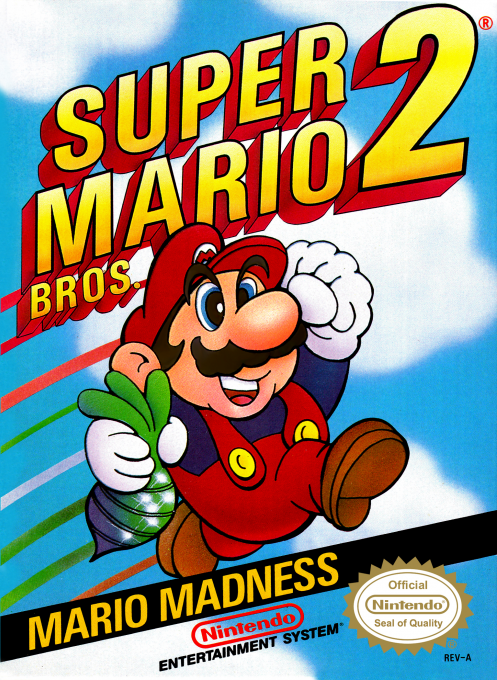
Super Mario Bros. 2 in 1988. The original 1986 sequel was eventually released internationally as
Super Mario Bros.: The Lost Levels. Together, these early releases laid the groundwork for the
Super Mario franchise's global expansion, influencing level design standards and side-scrolling physics for decades.



.png)

















.png)
.png)
.png)