The Ultraman Club series is a spin-off of the Ultraman franchise, characterized by its chibi-style character designs. Released primarily on Nintendo platforms like the Famicom, the series includes role-playing games such as Ultraman Club 2: Kaettekita Ultraman Imouto-ko and Ultraman Club 3: Mata Mata Chikyuu Shinryaku Keikaku, as well as action and sports titles like Ultraman Club: Spokon Fight.
The franchise debuted in 1988 with the arcade action game
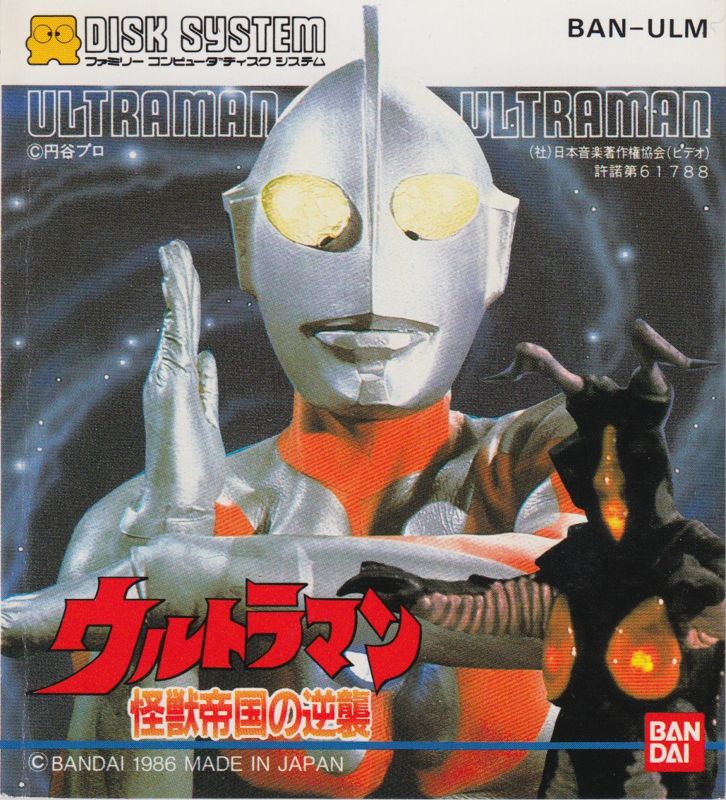
Ultraman Club and the Famicom Disk System role-playing title
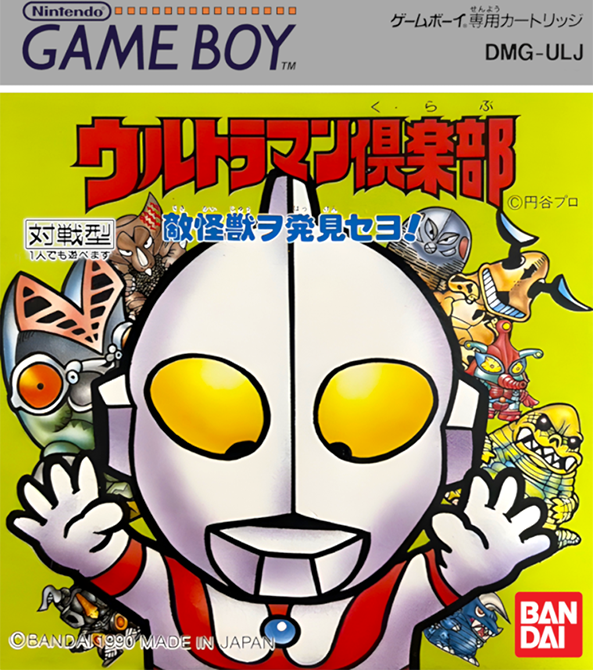
Ultraman Club: Chikyu Dakkan Sakusen. These early releases established the formula of gathering various Ultra Brothers to combat classic kaiju threats. Bandai expanded the property to handheld consoles with the 1990 Game Boy release
Ultraman Club: Teki Kaijuu o Hakken Seyo, which combined board game navigation with card-based battling.
On home consoles, the series iterated on its RPG mechanics with
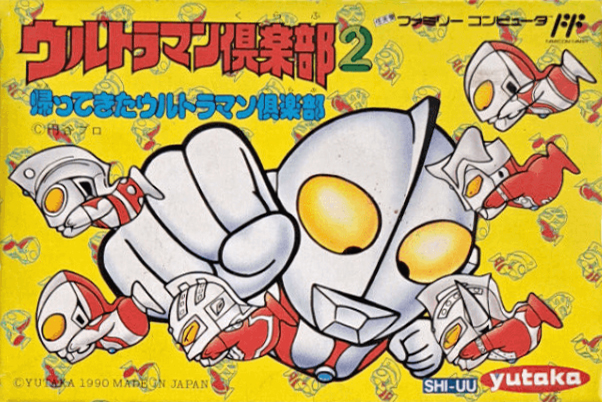
Ultraman Club 2 (1990) and
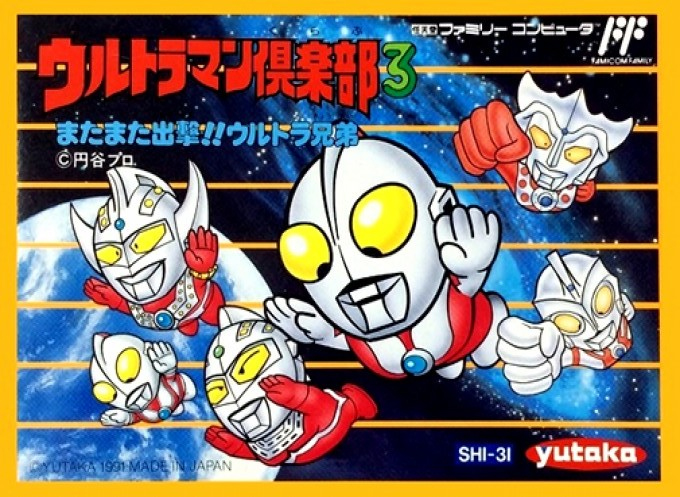
Ultraman Club 3 (1991), which introduced more complex party management and larger rosters of tokusatsu characters. The series shifted back toward pure action with
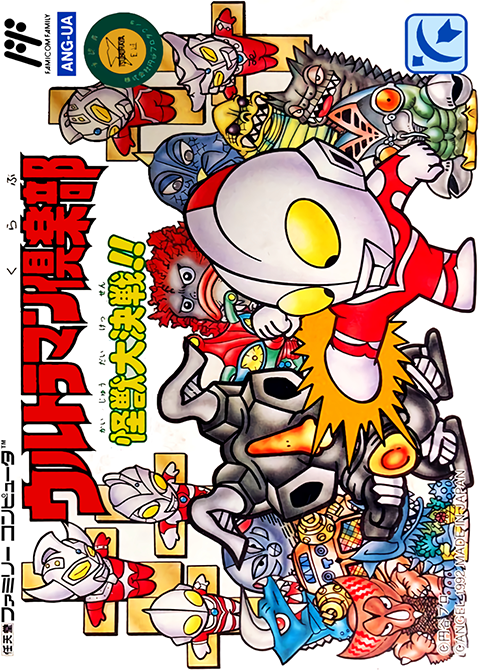
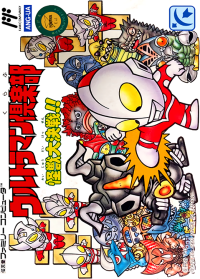
Ultraman Club: Kaijuu Dai Kessen (1992), a side-scrolling platformer for the Famicom where players cycle through different Ultraman heroes to utilize their unique abilities. The final entry of this era,
Ultraman Club: Spokon Fight (1993) for the Super Famicom, departed from traditional combat entirely, focusing instead on dodgeball and other sports-themed minigames. This diverse software lineup helped popularize the "Super Deformed" aesthetic for Bandai's tokusatsu licenses throughout the early 1990s.
_1.png)
.png)

_1.png)





.png)