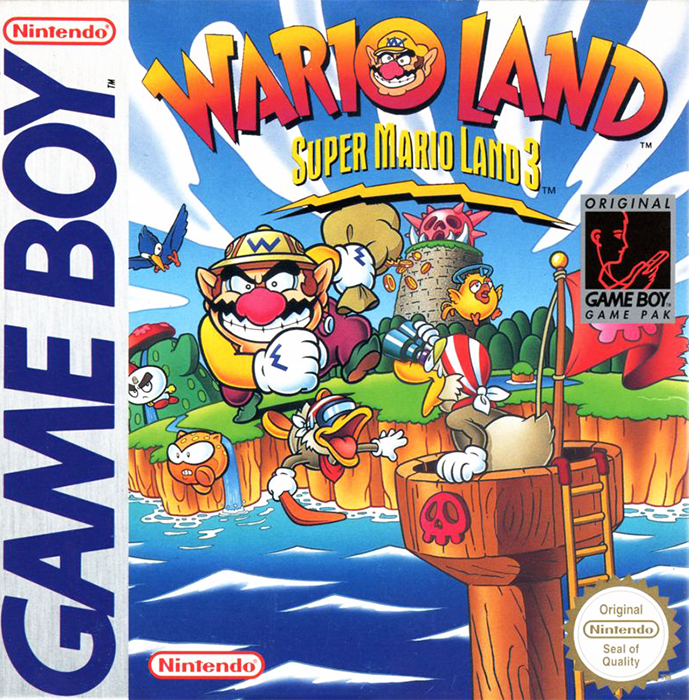
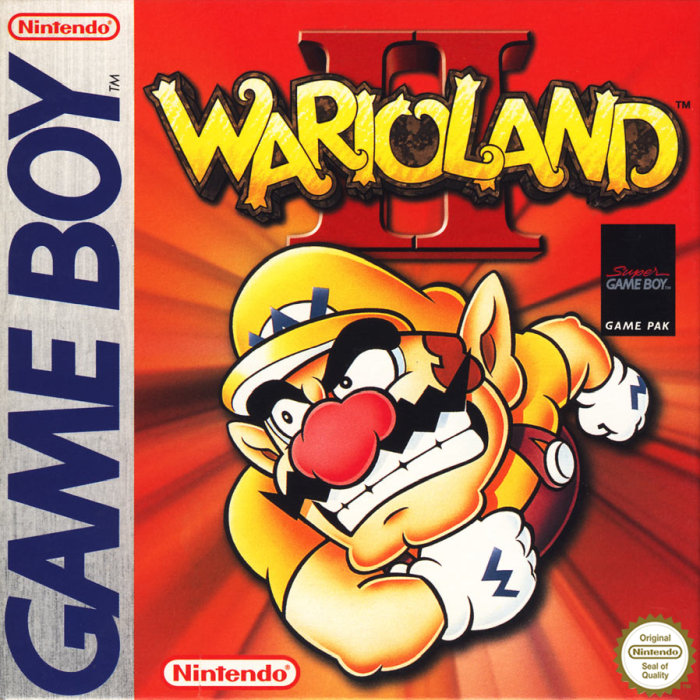
The Wario Land series began with Wario Land: Super Mario Land 3 in 1994 for the Game Boy, establishing Wario as a protagonist. It expanded with Virtual Boy Wario Land in 1995 and Wario Land II in 1998, which introduced unique puzzle-platforming mechanics where Wario is functionally immortal and reacts to enemy attacks with status changes.
Developed primarily by Nintendo's R&D1 division, the franchise shifted the platforming focus from saving princesses to accumulating wealth.
Wario Land: Super Mario Land 3 (1994) introduced Wario's signature shoulder bash and hat-based power-ups, such as the Jet and Dragon pots. The series transitioned to 3D-depth illusion gameplay with
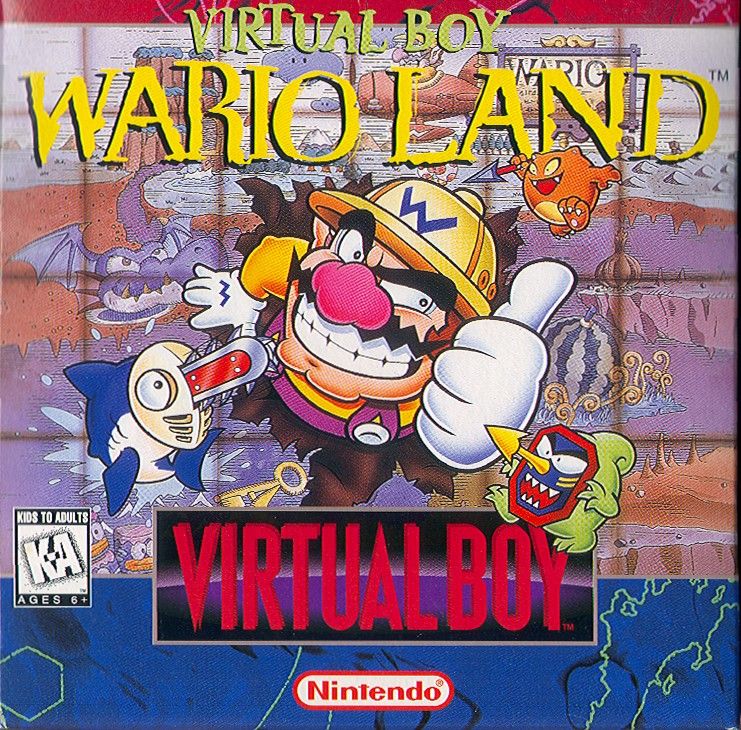
Wario Land (1995) on the Virtual Boy, a release accompanied by rare promotional versions like
Wario Land [Demonstration Version] (1995) and
Wario Land [Not For Resale] (1995).
The design philosophy shifted dramatically with
Wario Land II (1998), which removed the traditional lives system entirely. This title was distributed both as a standard release and as a highly sought-after
Wario Land II [Not for Resale] (1998) demo cartridge. By focusing on exploration, branching paths, and physics-based puzzle-solving, these early installments redefined Nintendo's approach to platformers. The success of these games established Wario as a permanent lead character, paving the way for future handheld sequels and spin-offs like the
WarioWare series.