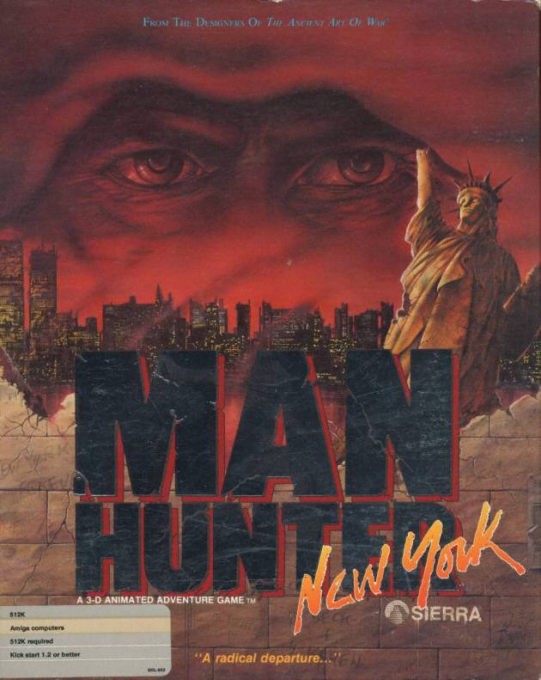
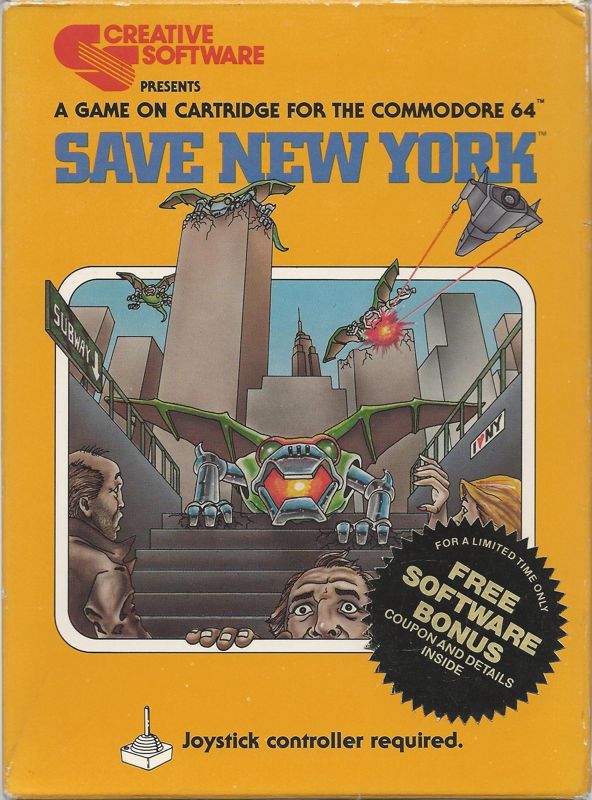
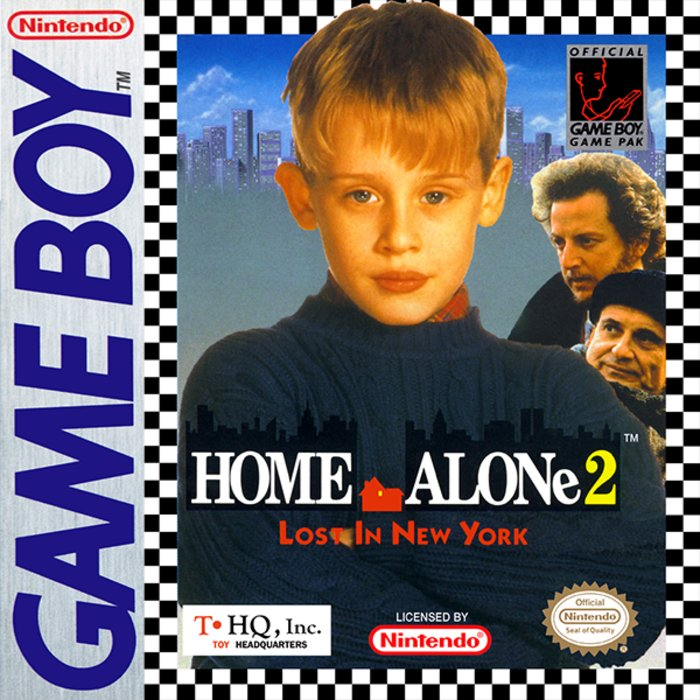
In retro gaming, New York represents a recurring urban landscape that players must defend, navigate, or conquer. It serves as the primary setting for alien invasions in Save New York (1983), post-apocalyptic survival in Manhunter: New York (1988), and a chaotic playground in Home Alone 2: Lost in New York (1992). Across these titles, the city itself functions as a central character defining the atmosphere and gameplay challenges.
In
New York City (1986), the metropolis is rendered as a grid-based simulation where players manage urban traversal and survival. The gritty, crime-ridden depiction of the city evolved through
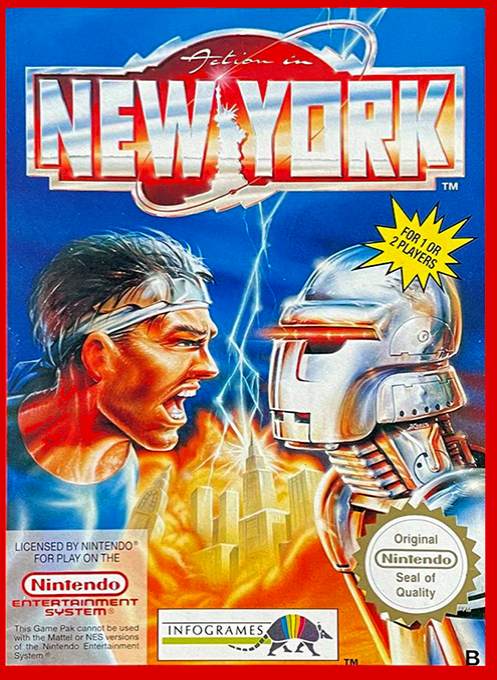
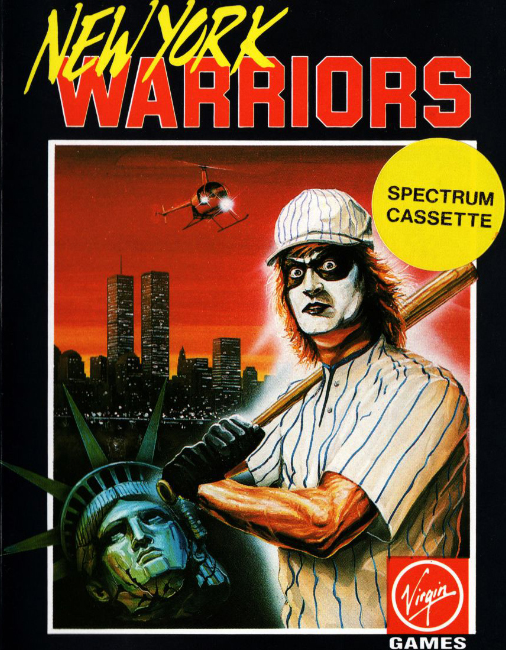
New York Warriors (1990), a top-down shooter reflecting the era's cinematic gang anxieties, and
Action In New York (1991), which reimagined the skyline as a futuristic, side-scrolling warzone. Cartoonish interpretations also emerged, such as the whimsical, feline-populated streets of
New York Nyankies (1991).
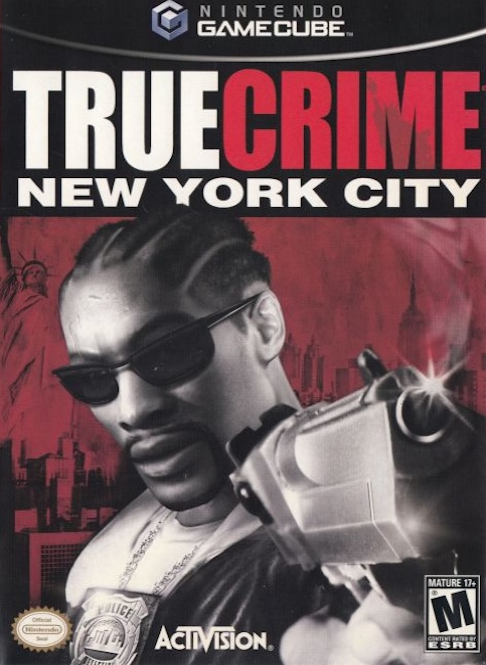
The city's identity as a battleground for control culminated in major 3D franchises. In
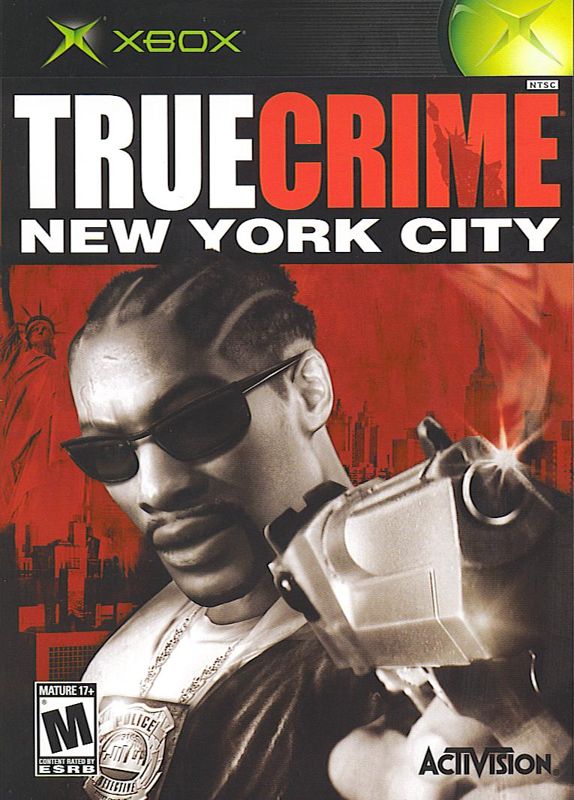
True Crime New York City, the environment transitioned into a highly detailed, GPS-accurate sandbox where players enforce or break the law. Similarly,
Def Jam Fight for New York utilizes iconic, stylized urban venues—ranging from subway stations to underground clubs—to ground its hip-hop-infused combat in a distinct local culture. Whether navigating the pixelated hazards of
Home Alone 2 Lost In New York (1992) or patrolling the open-world boroughs, this digital entity consistently reflects contemporary cultural anxieties and pop-culture trends, serving as a crucial thematic anchor across diverse gaming genres.

.jpg)
 (En,Fr,De,Es,It).png)

.png)
.png)
.png)









.png)
.png)

.png)

.png)


.jpg)
 (En,Fr,De,Es,It).png)

.png)



.png)
.png)




.png)
.png)
.png)


.png)