In Jurassic Park Part 2: The Chaos Continues (1994), the Pteranodon appears as an airborne hazard that swoops down to attack the player characters. In the video game adaptations of Disney's Dinosaur (2000), it is featured as both an environmental hazard and a playable or interactive species representing the prehistoric flying reptile.
In the 16-bit era, developers at Ocean Software rendered this flying reptile as a highly agile sprite in
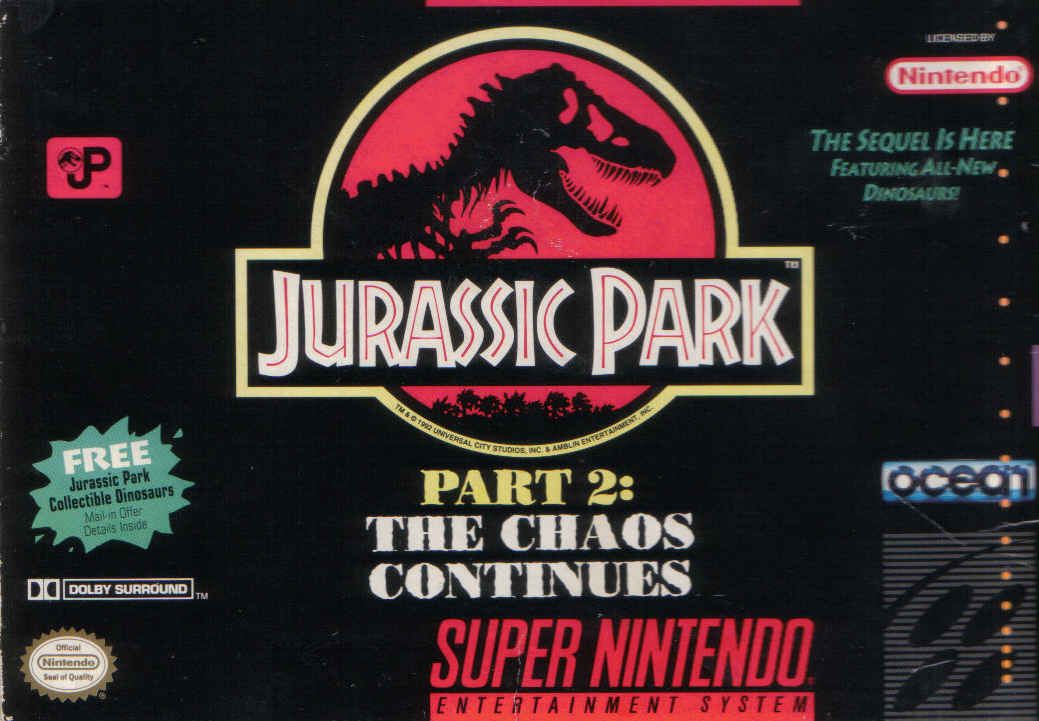
Jurassic Park Part 2: The Chaos Continues (1994). Players had to rely on rapid-fire weaponry or defensive positioning to survive its sudden vertical dives. The inclusion of this obstacle in the Game Boy version showcased how developers scaled down the behavior for 8-bit hardware. Decades later, the
Jurassic Park Part 2: The Chaos Continues [Collector's Edition] (2024) preserved these exact mechanical patterns, introducing the classic hazard to a new generation of retro gaming enthusiasts.
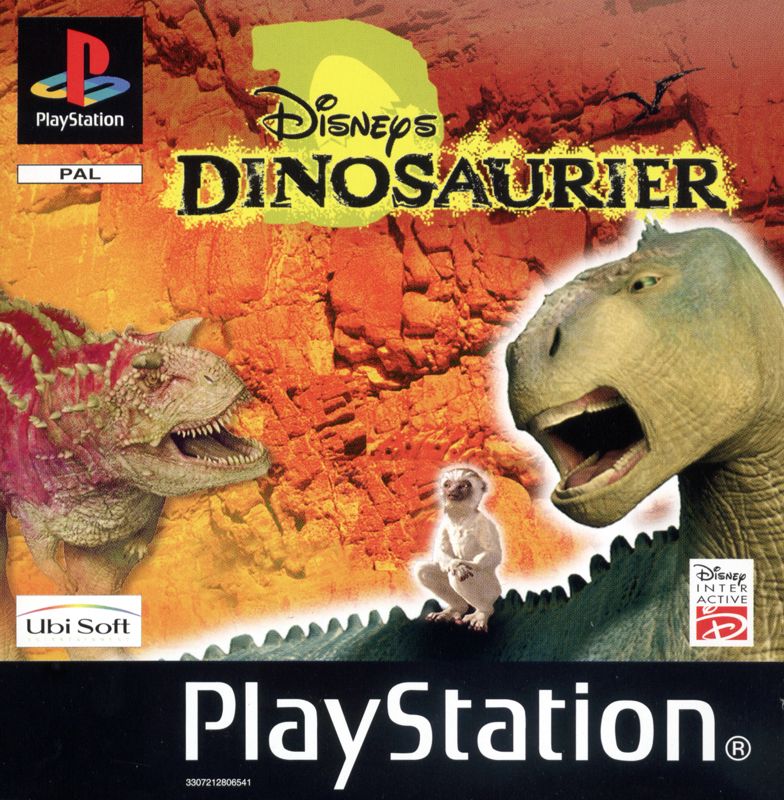
For the 2000 cinematic tie-ins, Ubisoft and Disney Interactive transitioned the creature into three-dimensional space. In
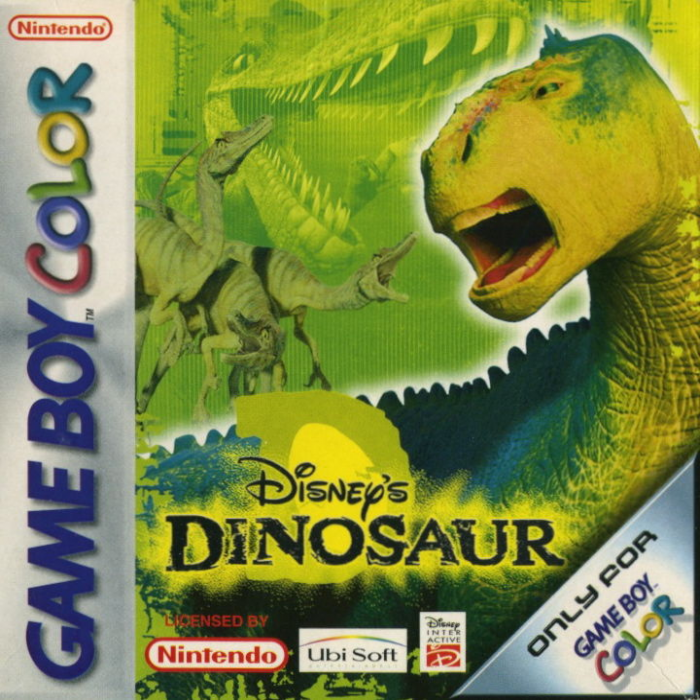
Disney's Dinosaur (2000) and the handheld release
Dinosaur (2000), the character's role expanded beyond simple aggression. The developers utilized the species to emphasize the scale of the prehistoric world, requiring players to solve environmental puzzles or time their movements to bypass nesting grounds. Across both franchises, these digital representations solidified the creature's legacy as a fundamental mechanical obstacle in licensed paleontological action games.