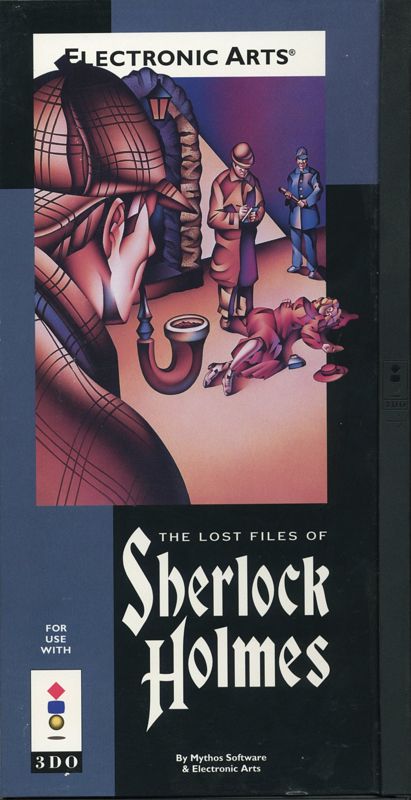
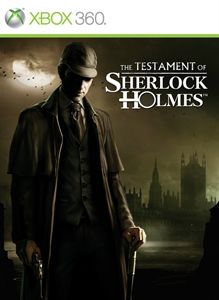
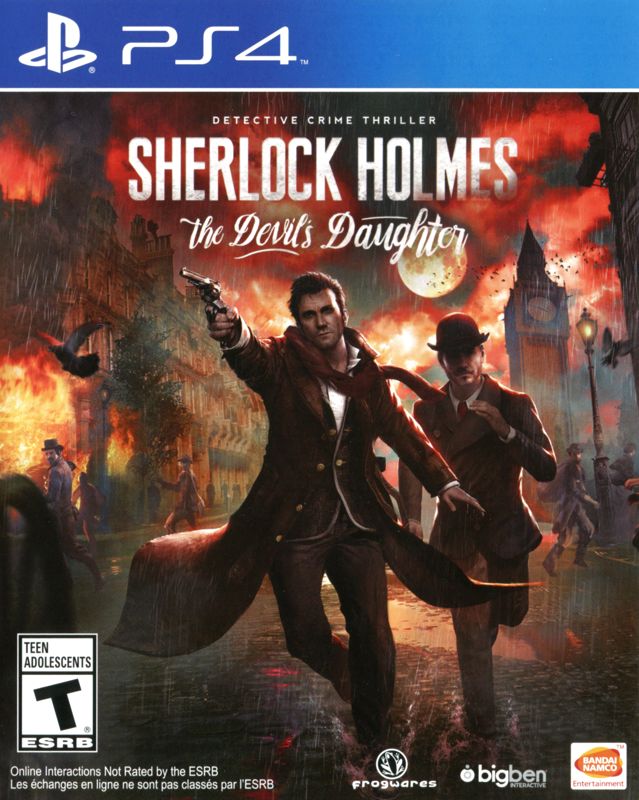
This character is the protagonist of several retro adventure games, including the text-based Sherlock Holmes: Another Bow (1985) and the FMV-based Sherlock Holmes: Consulting Detective series. Players assist Holmes in solving complex mysteries by analyzing clues, interviewing suspects, and consulting directories. He also appeared in Japanese-exclusive titles such as Sherlock Holmes: M Kara no Chousenjou (1983) and Sherlock Holmes: Kiri no London (1988).
The character's digital evolution spans early home computer systems and pioneering optical disc platforms. In the 1986 release
Sherlock Holmes, developed for systems like the Commodore 64, the detective was depicted through parser-driven gameplay that challenged players to navigate Victorian London. As CD-ROM technology emerged, the character transitioned into one of the earliest examples of interactive cinema. In
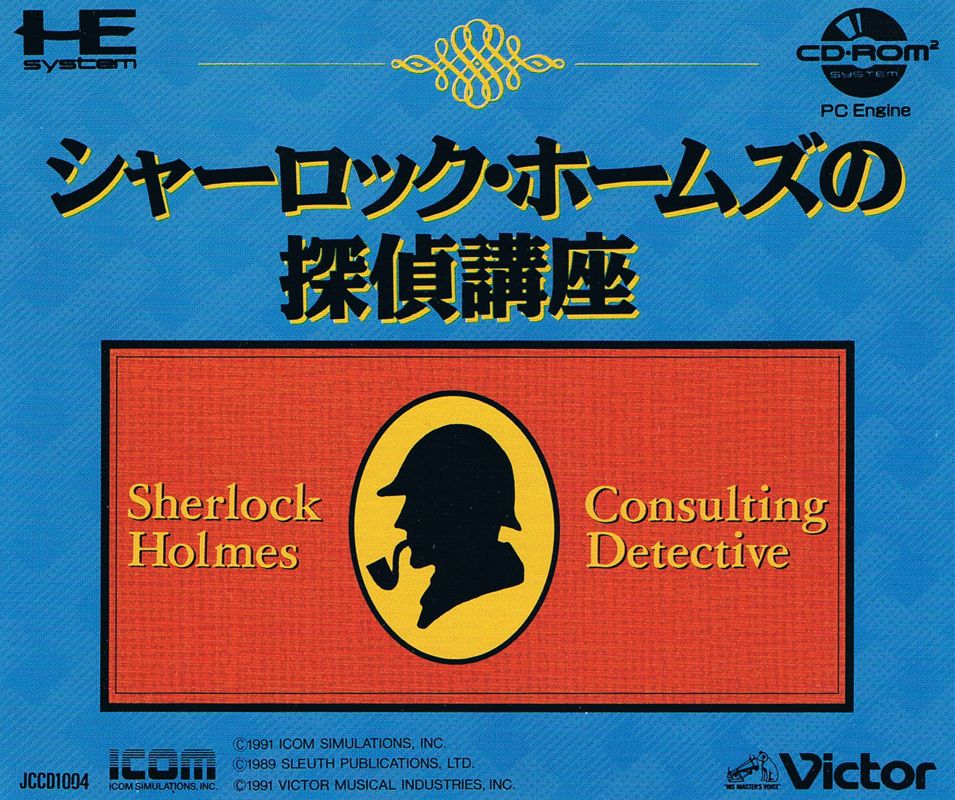
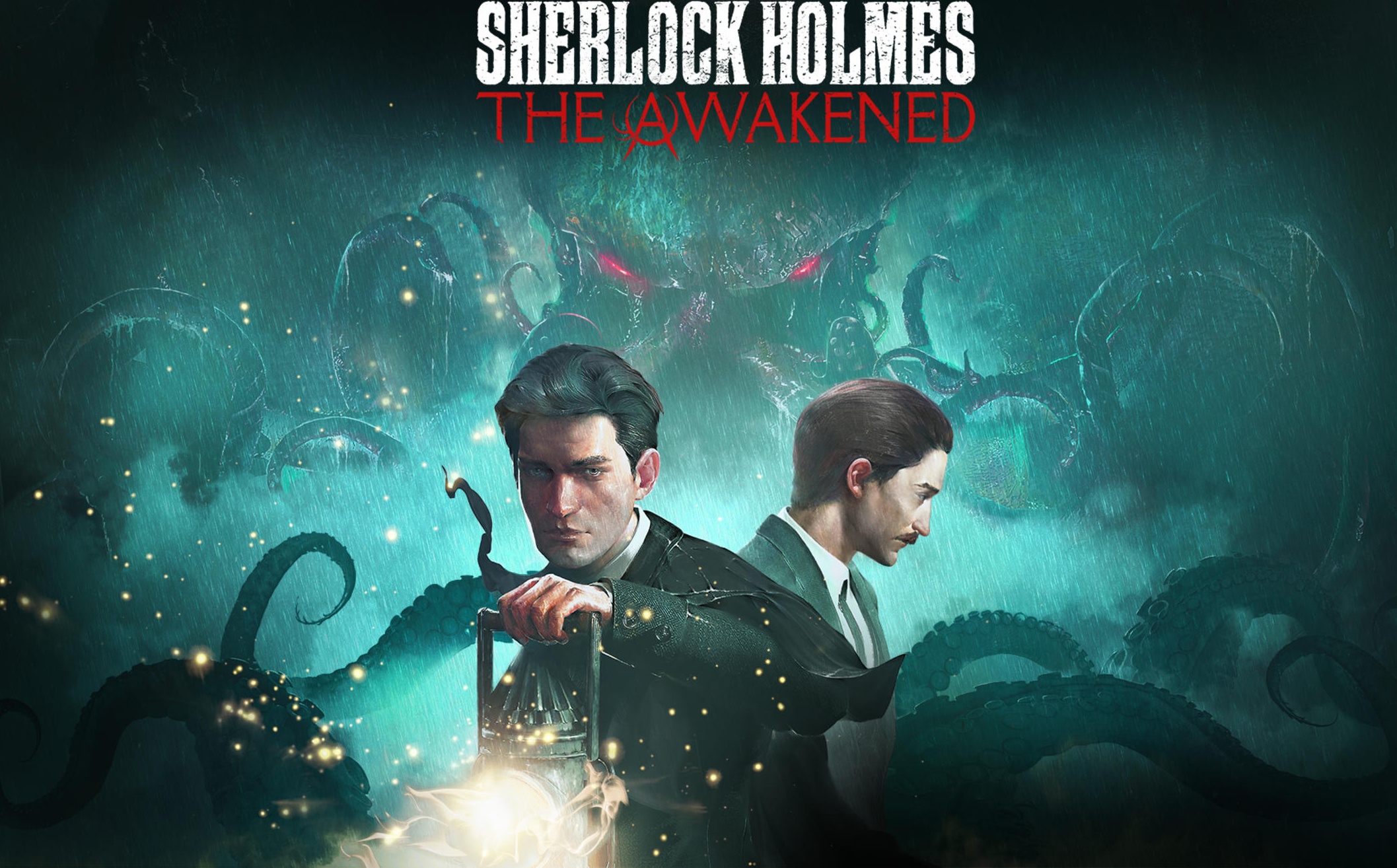
Sherlock Holmes No Tantei Kouza (1991) and the subsequent
Sherlock Holmes: Consulting Detective Volume II (1992), the portrayal relied on live-action video performances, establishing a highly realistic visual standard for the franchise during the early 1990s multimedia boom.
These adaptations relied heavily on the original literary canon of Arthur Conan Doyle, translating classic deductive reasoning into digital menu navigation and database searches. This era of the franchise established the character as a staple of the early interactive fiction and FMV genres, bridging the gap between traditional literature and modern narrative-driven video games.















_1.jpg)




_(En,Fr,Es).png)

_(En,Fr,Es).png)



_1.jpg)
_(En,Fr,Es).png)
_(En,Fr,Es).png)