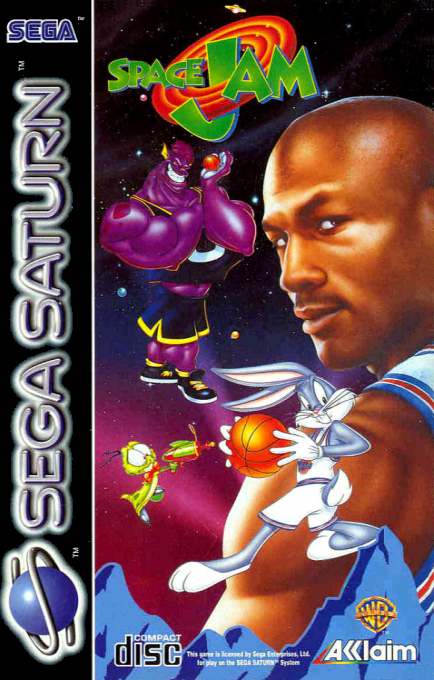
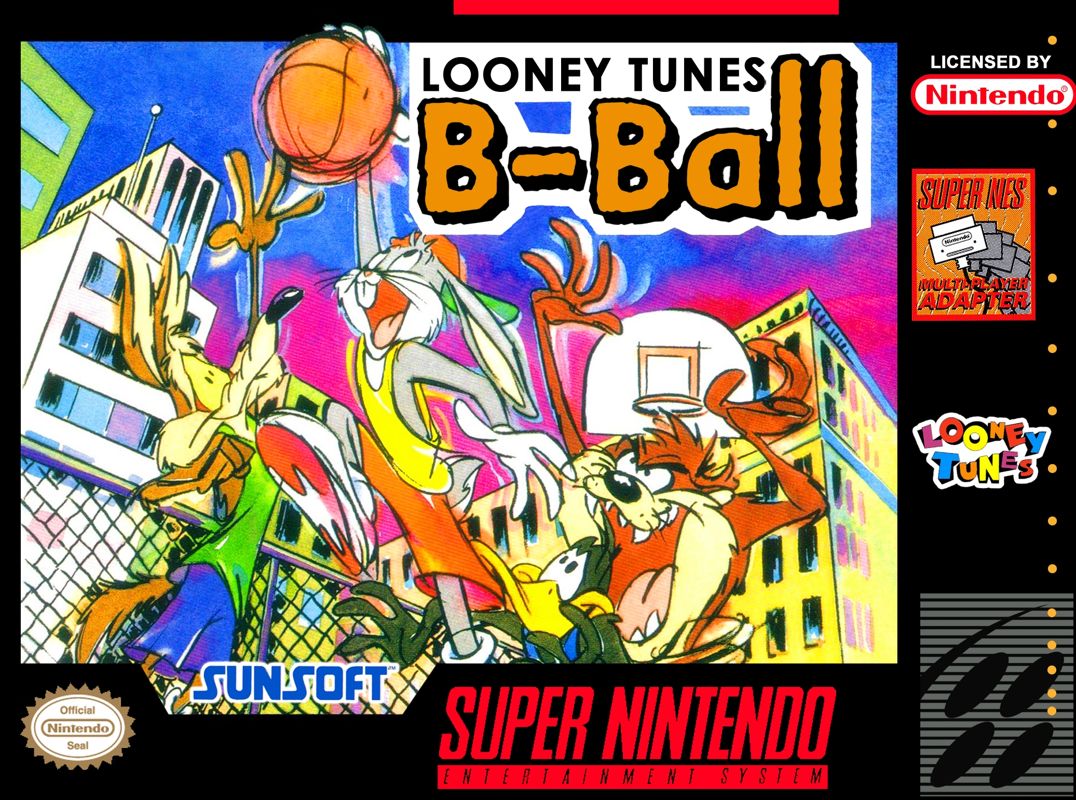
Wile E. Coyote is a recurring character in retro video games, appearing as an antagonist or playable character in titles like Road Runner and Wile E. Coyote (1991) and Road Runner vs. Wile E. Coyote (1992). He also appears in sports and racing spin-offs such as Looney Tunes B-Ball (1995), Space Jam (1996), and Looney Tunes Racing (2000). Additionally, he features as an obstacle or enemy in the Bugs Bunny Crazy Castle franchise, specifically in Bugs Bunny Crazy Castle 3 (1999).
The character's digital adaptation across these titles heavily emphasizes his signature reliance on ACME corporation gadgets and traps. In the early platforming titles
Road Runner and Wile E. Coyote and
Road Runner vs. Wile E. Coyote, gameplay mechanics revolve around high-speed chases, requiring precise timing to avoid self-inflicted damage from faulty explosives and falling anvils. These mechanics directly translate the slapstick physics of the original animation into interactive hazards.
Within the
Bugs Bunny Crazy Castle franchise, particularly
Bugs Bunny Crazy Castle 3, his movement patterns follow strict grid-based pathfinding, forcing players to utilize level geometry and defensive items to bypass him. His inclusion in
Looney Tunes B-Ball and
Space Jam shifts his role to athletic simulation, where his character stats favor speed and agility over raw power, utilizing unique special moves inspired by his cartoon contraptions. In
Looney Tunes Racing, his vehicle design and projectile weapons reflect this same thematic reliance on unstable technology. Across these diverse genres, the character serves as a mechanical representation of high-risk, high-reward gameplay, where his own tools often double as environmental hazards.


 (Beta).png)
.png)





 (Beta).png)
.png)


