AKI Corporation developed influential wrestling titles including WCW/nWo Revenge, WWF WrestleMania 2000, and WWF No Mercy, which are widely praised for their gameplay mechanics. They also developed Tactics Formula and anime-based fighting games such as Kinnikuman Nisei Shinsedai: Choujin vs. Densetsu Choujin and Ultimate Muscle: Legends vs. New Generation. The developer's work on WWF WrestleMania 2000 and WWF No Mercy cemented their legacy within the WWF WrestleMania franchise.
The studio's signature gameplay engine, characterized by an intuitive grappling system, redefined how physics and momentum were utilized in sports entertainment simulations. This design philosophy, which prioritized tactical positioning over rapid button-mashing, was first popularized globally through
WCW vs NWO Revenge (1997).
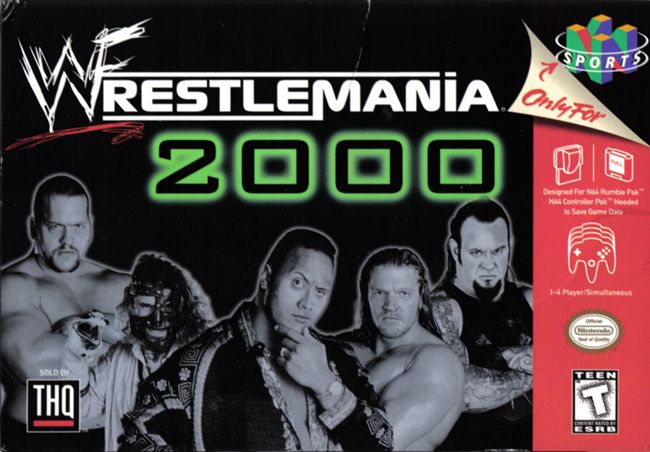
In
WWF Wrestlemania 2000 (1999), this system was paired with deep customization suites, allowing players to edit movesets and appearances, a feature that became a benchmark for the WWF Wrestlemania franchise. The subsequent release of
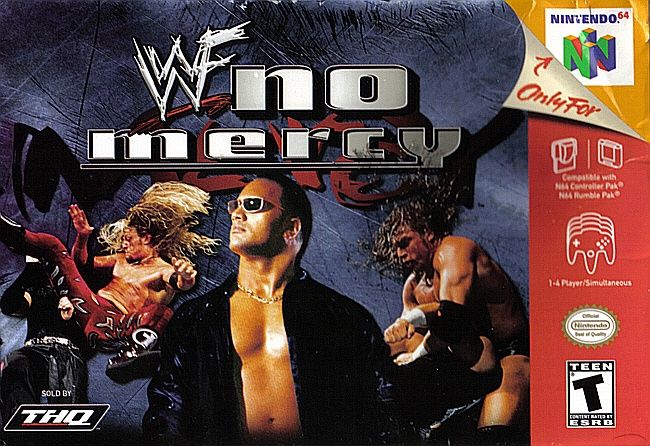
WWF No Mercy (2000) and the updated
WWF No Mercy [USA-1] (2000) introduced localized damage systems and branching career paths.
Beyond traditional American wrestling, the developer applied this mechanical foundation to other genres.
Tactics Formula (1997) showcased their early tactical design capabilities. Later, the cell-shaded fighting games
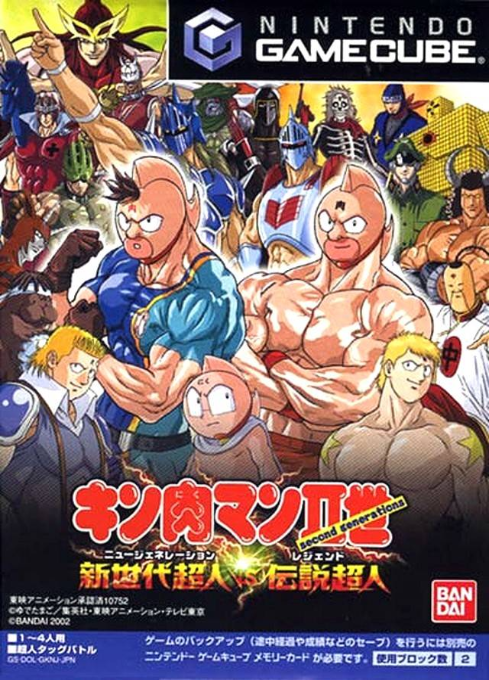
Kinnikuman Nisei Shinsedai: Choujin vs. Densetsu Choujin (2002) and
Ultimate Muscle: Legends vs. New Generation (2003) adapted the established grappling mechanics into a faster, over-the-top anime style. These titles collectively demonstrated how the core physics engine developed for the WWF Wrestlemania franchise could be successfully adapted across different intellectual properties.


.png)
_1.jpg)
.png)




_1.jpg)


.png)




.png)