Burst Studios is best known for developing the 32-bit console versions of Spot Goes to Hollywood and the baseball game Grand Slam. The studio was also associated with the localization and release of WARP's horror game D (originally D no Shokutaku) in Western markets under the Virgin Interactive umbrella.
Operating as a specialized development division within Virgin Interactive Entertainment during the mid-1990s, the studio focused on maximizing the hardware capabilities of fifth-generation consoles. For the isometric platformer
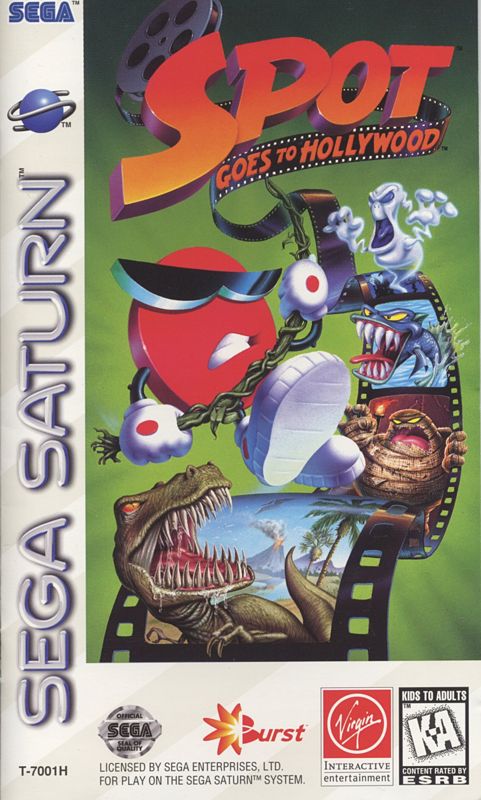
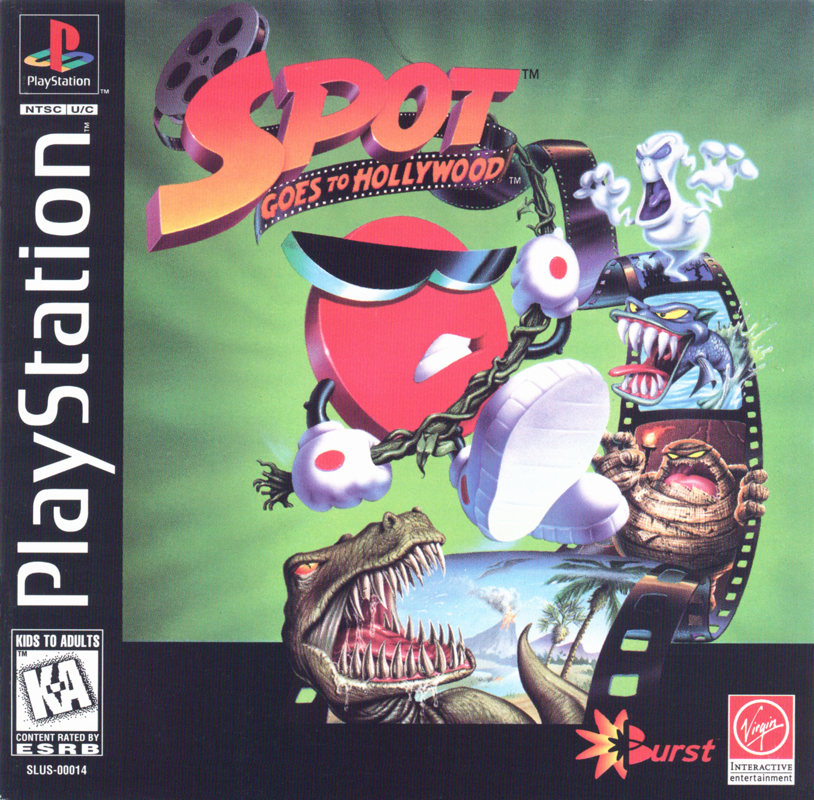
Spot Goes to Hollywood, the team redesigned the original 16-bit Sega Genesis version, creating entirely new 3D polygonal environments and pre-rendered cinematic sequences for the Sega Saturn and PlayStation releases.
In sports software, the development of
Grand Slam showcased the studio's proprietary motion-capture technology and a unique "point-of-view" batting mechanic, which aimed to deliver a more realistic simulation than contemporary arcade-style baseball games.
The studio's technical expertise was also vital in adapting
D no Shokutaku for Western audiences. Working with the complex, movie-like architecture of the game, engineers managed the extensive full-motion video data to preserve the psychological horror atmosphere created by developer WARP. This localization effort helped establish the game's cult status outside of Japan. Following these releases, the development team was integrated into Electronic Arts during the acquisition of Virgin's North American assets, eventually transitioning into Westwood Pacific.
.png)

.png)

.jpg)

.jpg)