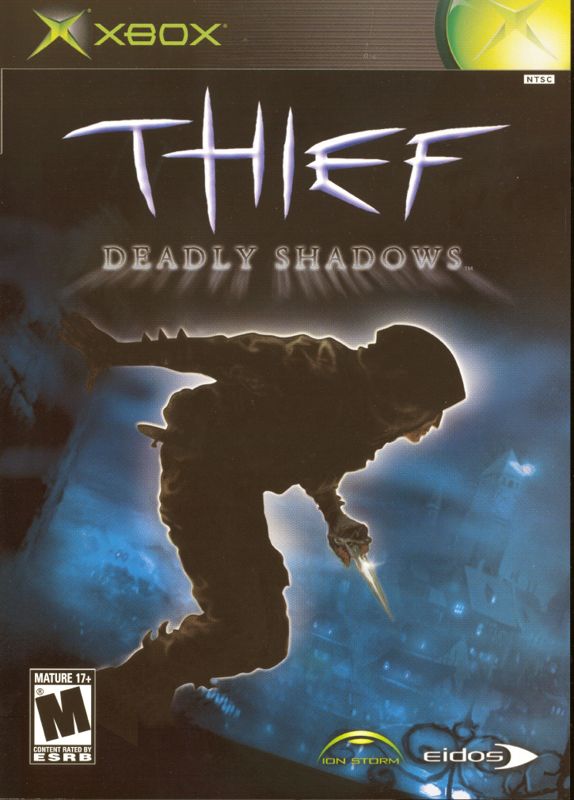
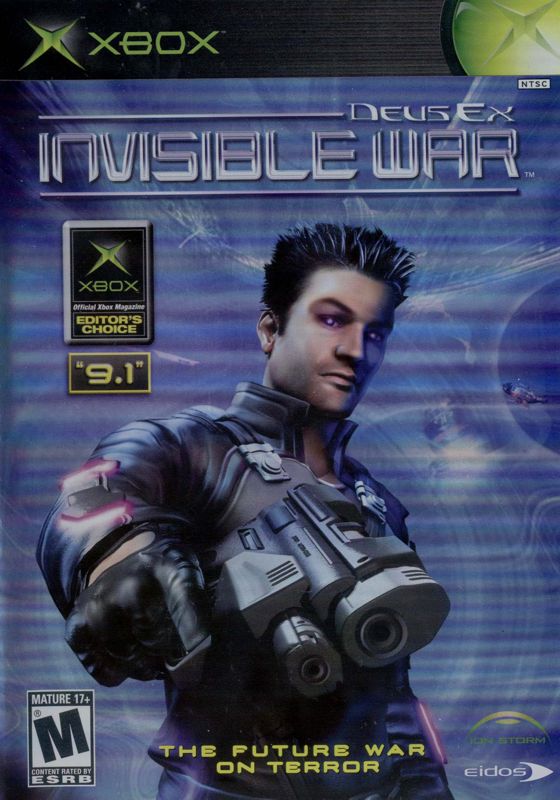
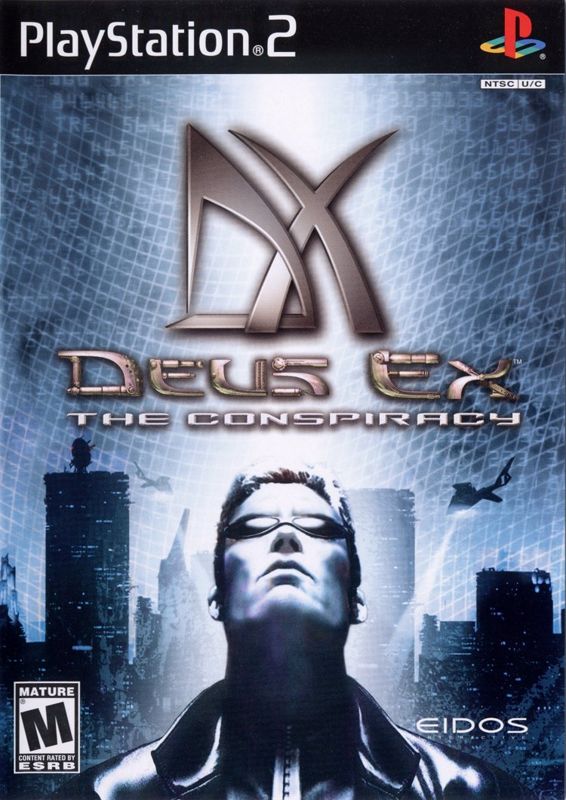
Ion Storm, particularly its Austin studio led by Warren Spector, developed the seminal action role-playing game Deus Ex (2000) and its PlayStation 2 port Deus Ex: The Conspiracy (2002). The developer continued its work on immersive sims with the sequels Deus Ex: Invisible War (2003) and Thief: Deadly Shadows (2004). The studio was officially closed by parent company Eidos Interactive in 2005.
The design philosophy behind
Deus Ex (2000) prioritized player agency, emergent gameplay, and branching narratives, blending first-person shooter mechanics with deep role-playing elements. This hybrid approach defined the franchise's identity. For the PlayStation 2 adaptation,
Deus Ex: The Conspiracy (2002), the team redesigned levels to accommodate console hardware limitations while preserving the core choice-driven systems.
To power the subsequent releases, the developer transitioned to a proprietary technology framework. Both
Deus Ex: Invisible War (2003) and
Thief: Deadly Shadows (2004) utilized a heavily modified version of Unreal Engine 2, incorporating advanced dynamic lighting and unified physics systems. These technical choices allowed
Deus Ex: Invisible War (2003) to feature highly interactive environments, though it also necessitated smaller map sizes that drew mixed reactions from series purists. Meanwhile,
Thief: Deadly Shadows (2004) successfully integrated these shadow-casting technologies to evolve the stealth mechanics of its respective franchise. Together, this suite of games established a lasting legacy for complex, choice-driven narrative design, influencing subsequent generations of action-adventure and role-playing titles.






.png)
.png)