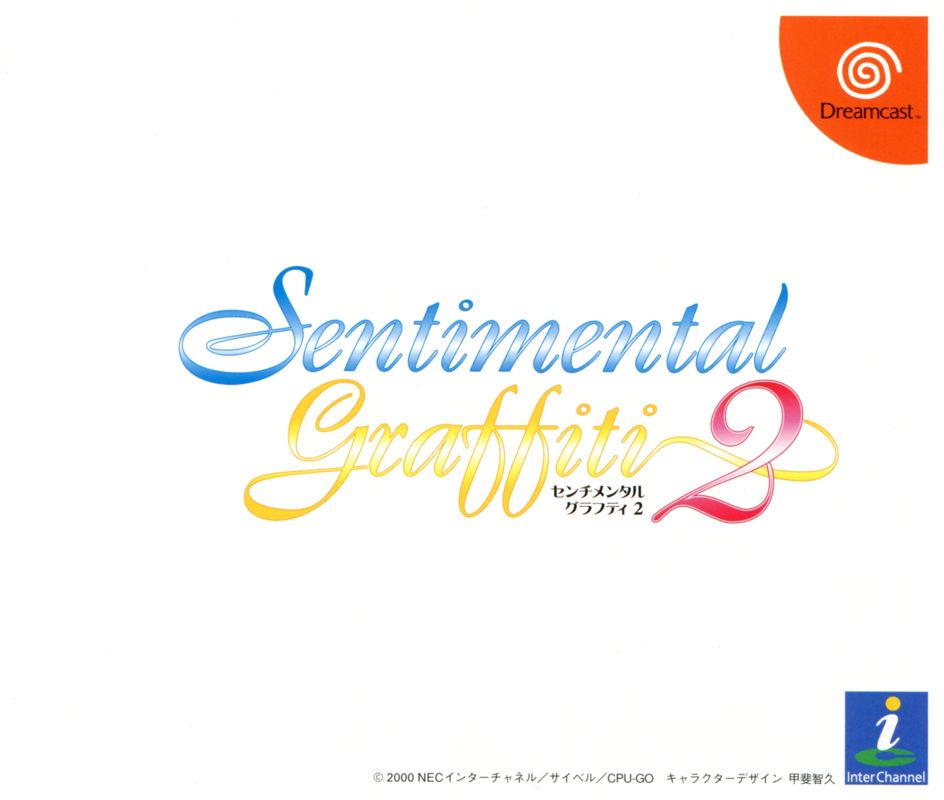
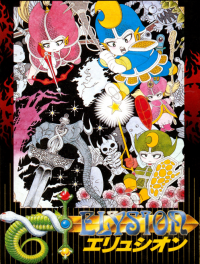
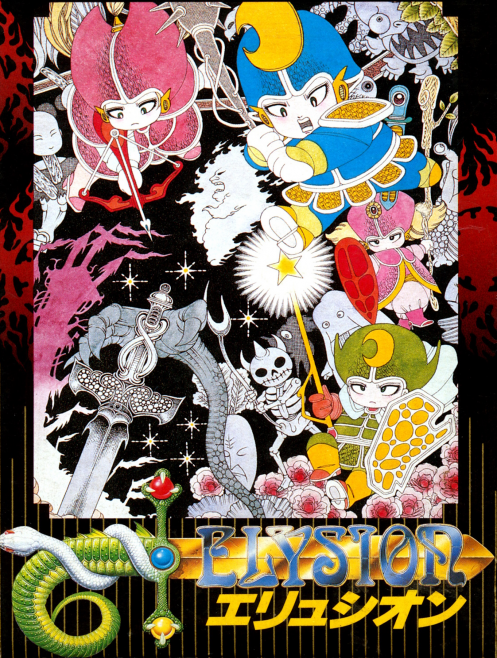
NEC co-developed the PC Engine console series, including the PC Engine Shuttle and PC Engine GT, which hosted titles like Elysion and Side Arms. The company also served as a publisher and developer for various releases on its systems, including titles in the Sentimental Graffiti and Might and Magic franchises, as well as the unreleased Space Fantasy Zone.
To establish a strong foothold in the late 1980s console market, the hardware division collaborated with Hudson Soft to design the compact 1987
PC Engine [White] (also known as the
NEC PC Engine or
NEC PC Engine System). This architecture allowed for near-arcade-perfect ports, exemplified by the 1989 release of
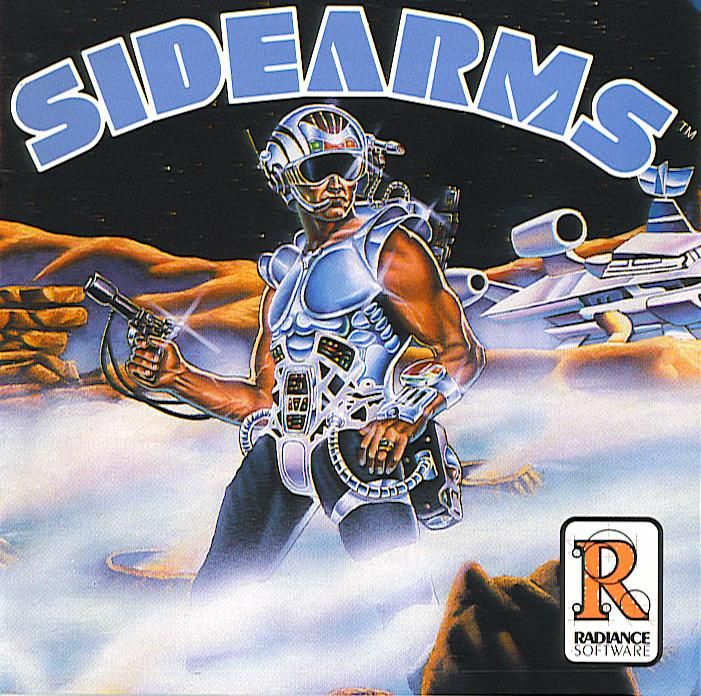
Side Arms, which showcased the system's superior sprite-handling capabilities. RPGs also flourished on the platform, with titles like the 1988 release
Elysion defining the early software library. To broaden market appeal, the hardware line expanded with the sleek 1989
PC Engine Shuttle and the portable 1990
PC Engine GT, which allowed users to play identical HuCard games on the go.
Beyond hardware, software partnerships defined the ecosystem's legacy. The company licensed and published localized entries of the Western
Might and Magic series, adapting complex computer role-playing mechanics for console audiences. It later heavily supported the
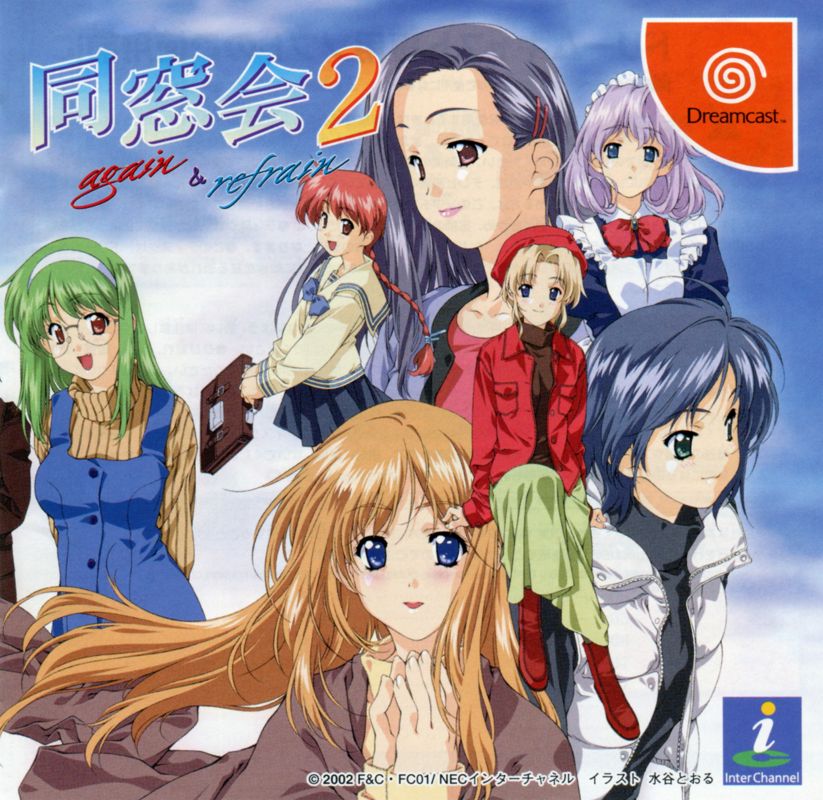
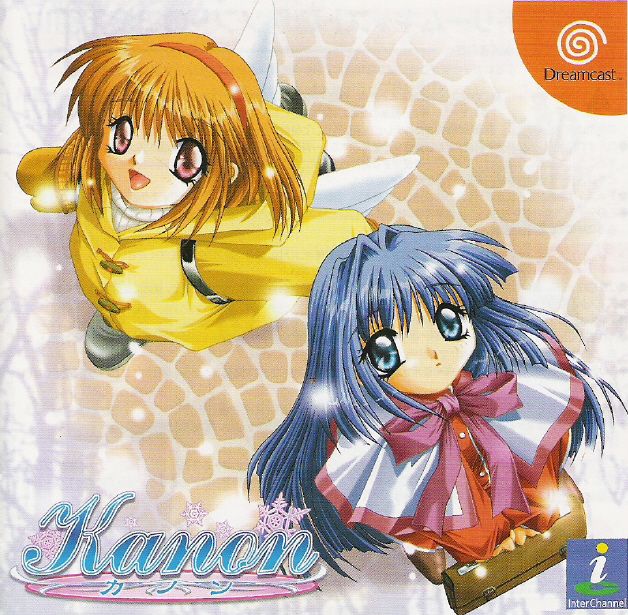
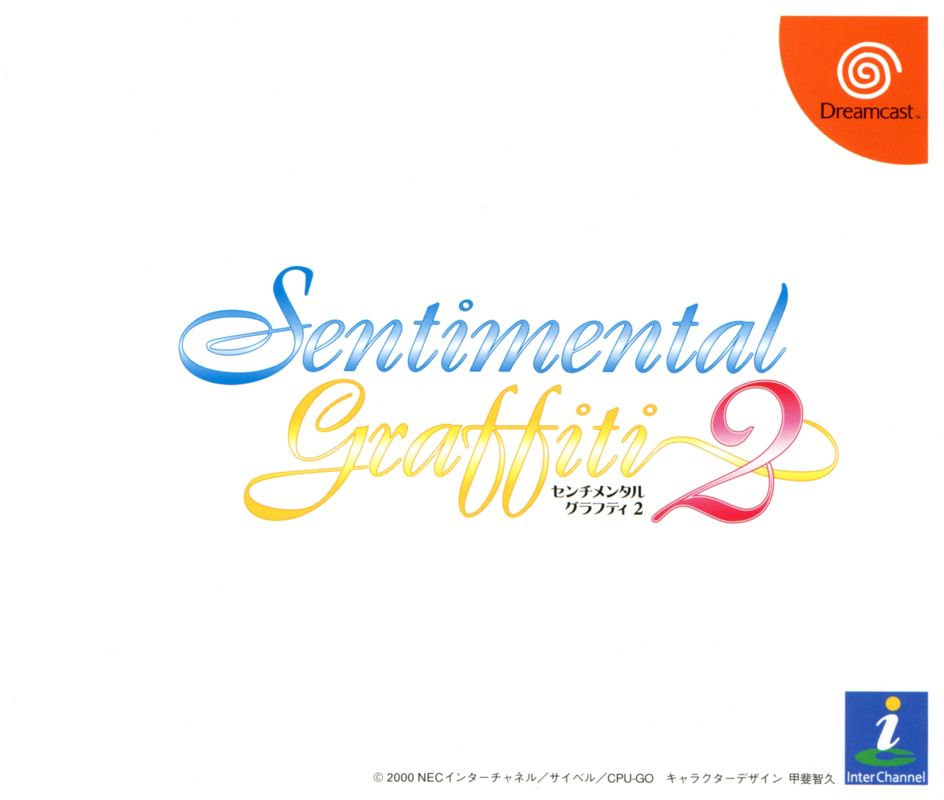
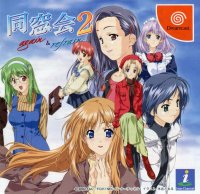
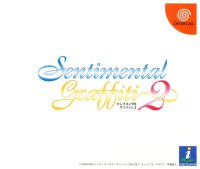
Sentimental Graffiti franchise, transitioning its focus toward anime-style adventure games. In the shoot-'em-up genre, the highly anticipated
Space Fantasy Zone was developed to merge classic gameplay styles, though it ultimately remained unreleased, becoming a legendary lost title among collectors.
NEC Home Electronics Ltd.
NEC Avenue Ltd.
_1.png)
.png)
_1.png)
.png)
.png)
.png)
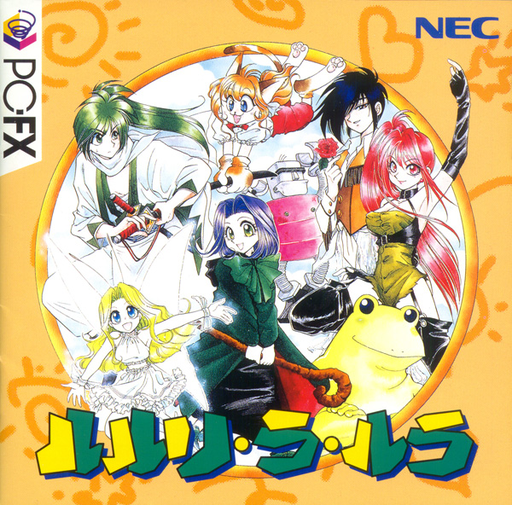
.png)
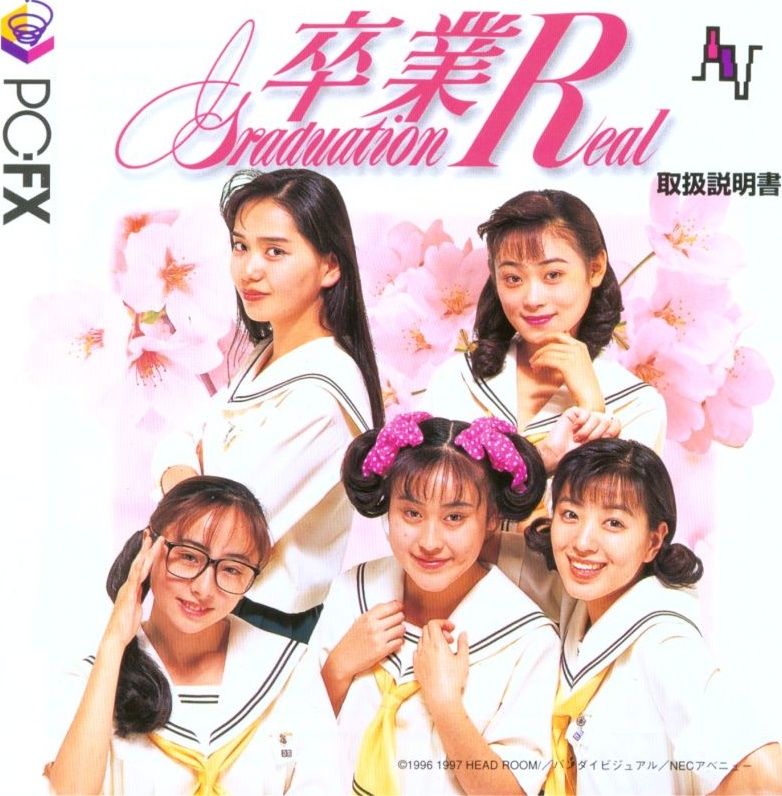






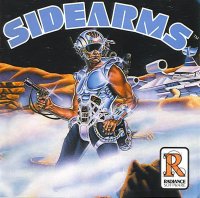

.png)


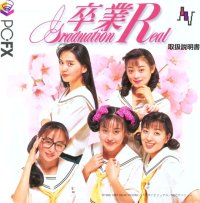
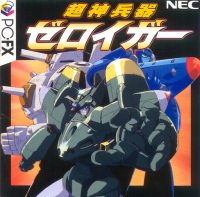
.png)
_1.png)
.png)
.png)
_1.jpg)
_1.jpg)


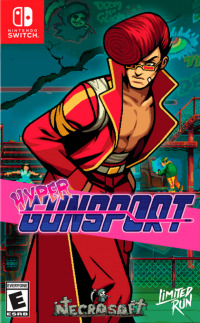


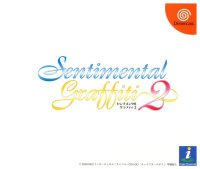
_1.png)
_1.png)
.png)

.png)

.png)
.png)
_1.png)


.png)


.png)



.png)
.png)
_1.png)
.png)
_1.png)
.png)
_1.jpg)

.png)