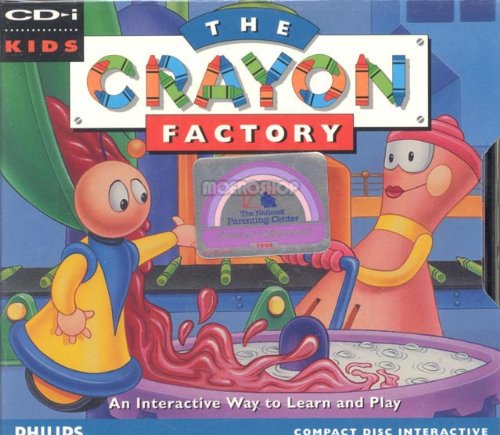
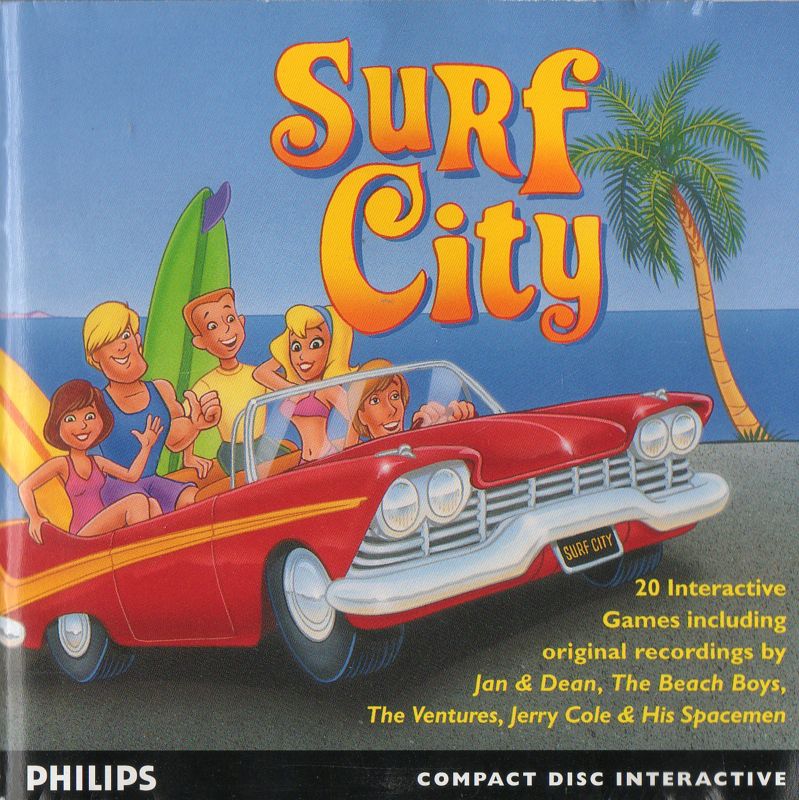
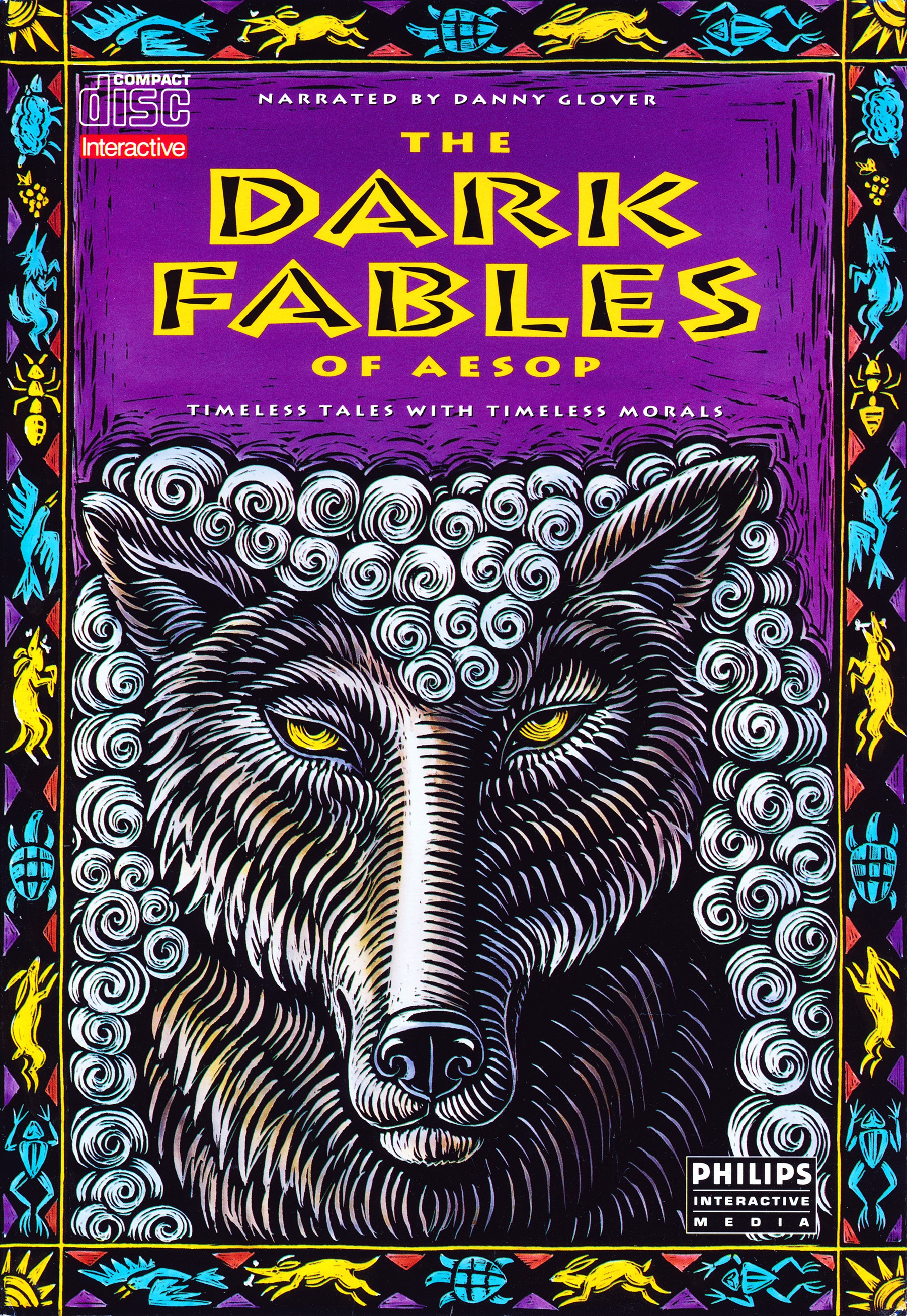
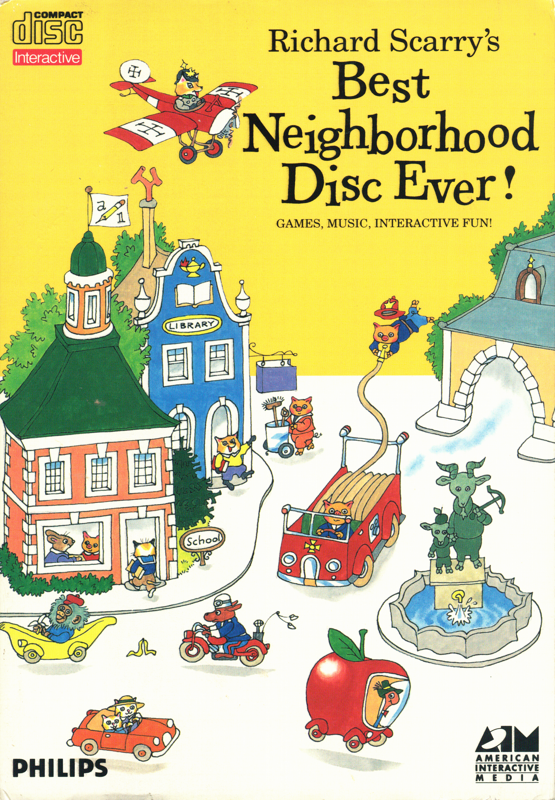
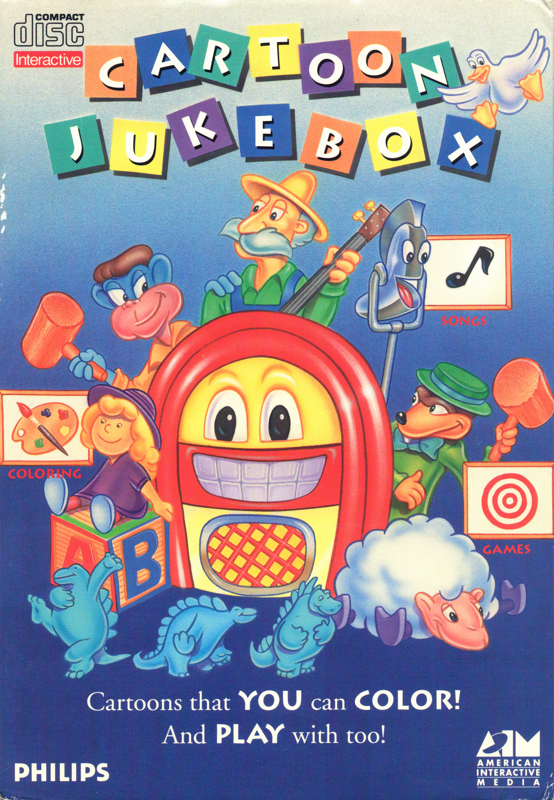
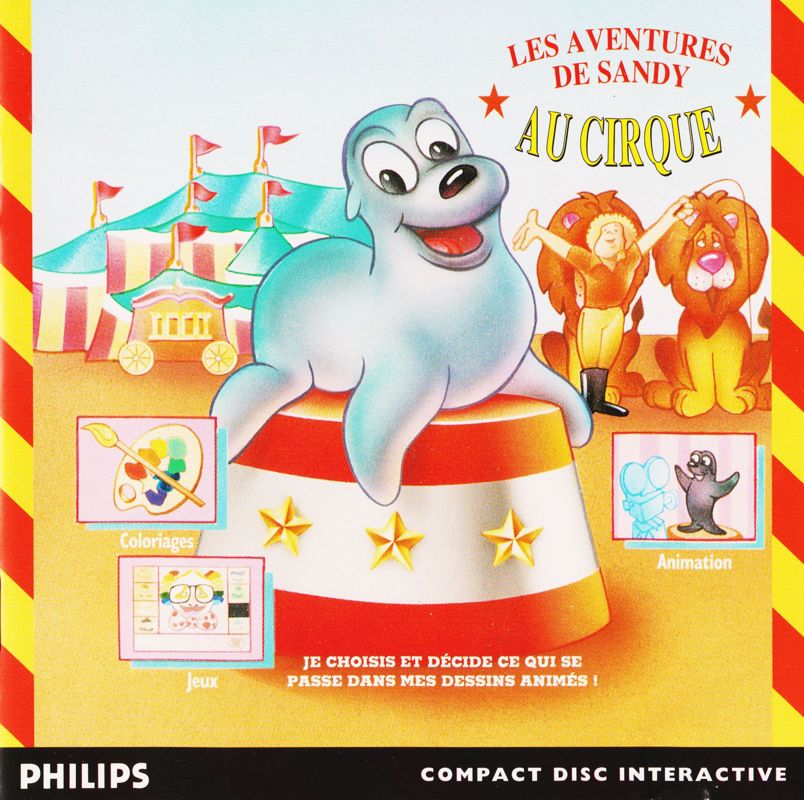
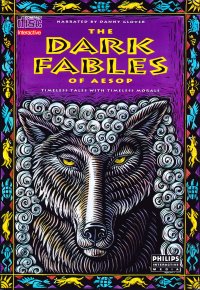
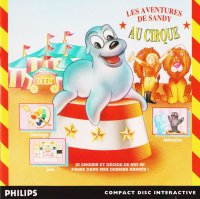
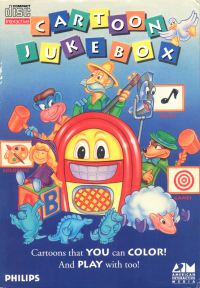
Philips Sidewalk Studio was an in-house development division of Philips Interactive Media, specializing in early multimedia and educational titles for the CD-i platform. The studio developed children's interactive software, including Sandy's Circus Adventure, Cartoon Jukebox, The Dark Fables of Aesop, Surf City, and Crayon Factory. They also adapted popular children's literature, creating Richard Scarry's Busiest Neighborhood Disc Ever and Richard Scarry's Best Neighborhood Disc Ever.
Operating during the emergence of optical disc technology, the studio leveraged the CD-i format's storage capacity to pioneer interactive "point-and-click" mechanics for younger audiences. In
Sandy's Circus Adventure, players navigated branching narrative paths, a novel concept for digital storybooks in 1990. The studio's collaboration with the estate of Richard Scarry resulted in
Richard Scarry's Busiest Neighborhood Disc Ever and
Richard Scarry's Best Neighborhood Disc Ever, which transformed detailed print illustrations into exploratory virtual spaces filled with audio hotspots and animated sequences.
Musical integration was another key focus.
Cartoon Jukebox allowed children to color animated scenes that synced with classic children's songs, while the later release
Surf City utilized licensed 1960s surf music to create a nostalgic, interactive beach environment. For
The Dark Fables of Aesop, the team employed a distinct, shadow-puppet art style to present traditional moral tales. The studio's final major release,
Crayon Factory, shifted toward logic-based puzzle gameplay, tasking players with operating virtual machinery. These titles collectively established the early aesthetic and functional standards for CD-i edutainment before Philips phased out the hardware.