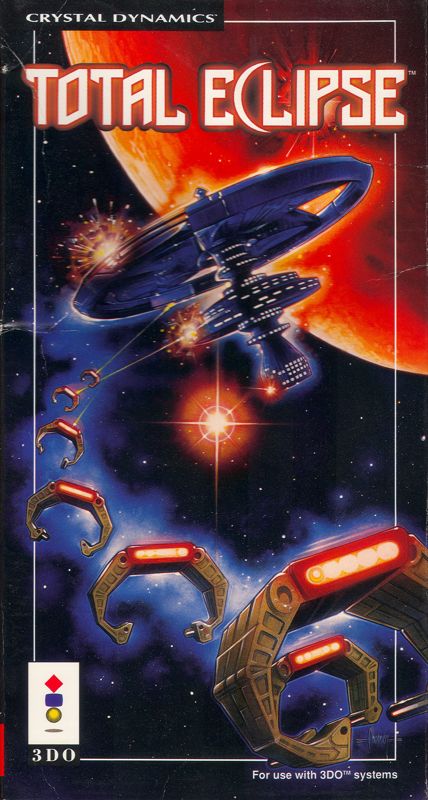
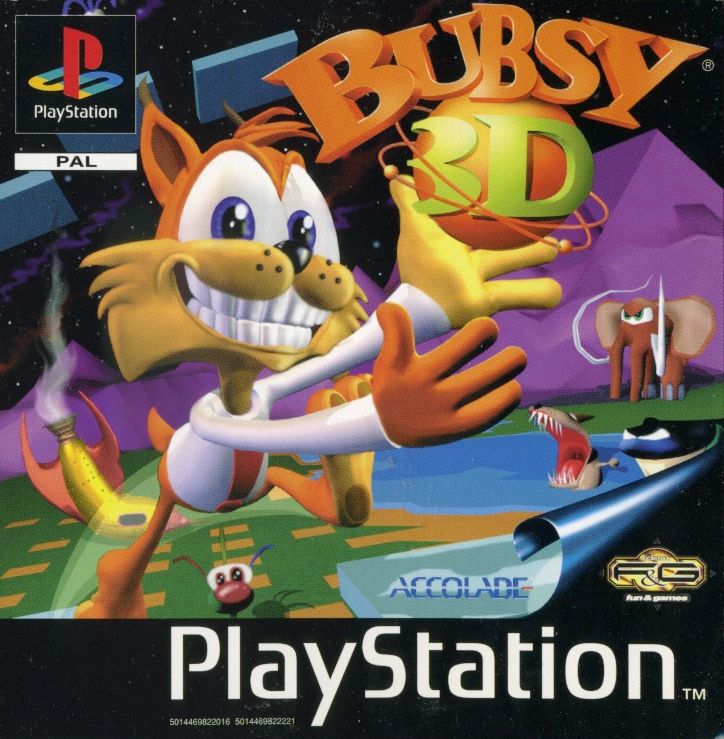
In the 3D platformer Bubsy 3D, 1-ups appear as Bubsy's head and grant extra lives to help players navigate the hazardous environment. In the space shooter Total Eclipse Turbo, collecting 1-up items provides additional attempts to complete intense planetary missions. In Stuart Little: The Journey Home for the Game Boy Color, 1-ups allow players to continue Stuart's platforming adventures.
During the mid-1990s transition to 3D gaming and the expansion of licensed handheld titles, the implementation of extra life mechanics evolved to match increasingly complex level designs. In
Total Eclipse Turbo, the inclusion of these items served as a critical buffer against the unforgiving collision detection and rapid-fire obstacles characteristic of early 3D rail shooters. Players had to navigate tight trenches to secure these scarce resources, which were essential for surviving the game's later, more chaotic stages without facing a total restart.
For
Bubsy 3D, the placement of these character-themed items reflected the experimental nature of early platformers. Developers utilized high-altitude platforms and hidden alcoves to reward players who mastered the game's distinct, momentum-based jumping physics. Similarly,
Stuart Little: The Journey Home adapted this mechanic for the hardware limitations of the Game Boy Color. The developers placed the items in precarious positions, such as high ledges in the library and garden levels, forcing players to risk falling into hazards to secure an extra attempt. Across these specific releases, the item transitioned from an arcade-style high-score reward into a strategic necessity for navigating experimental design layouts.

.png)




.png)


.png)

.png)