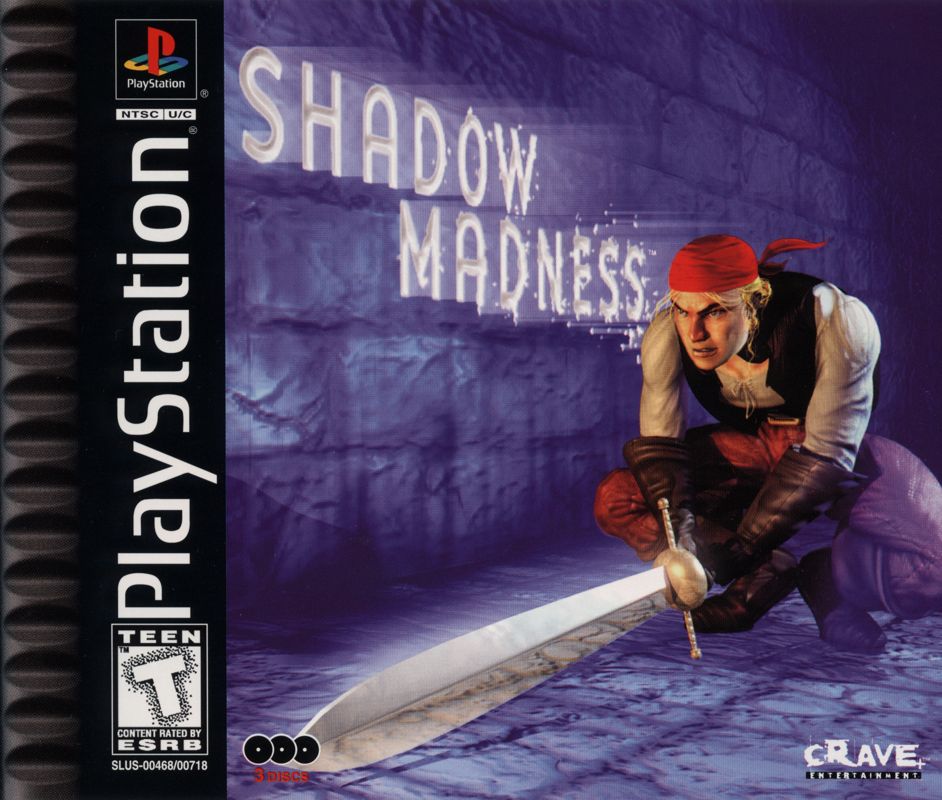
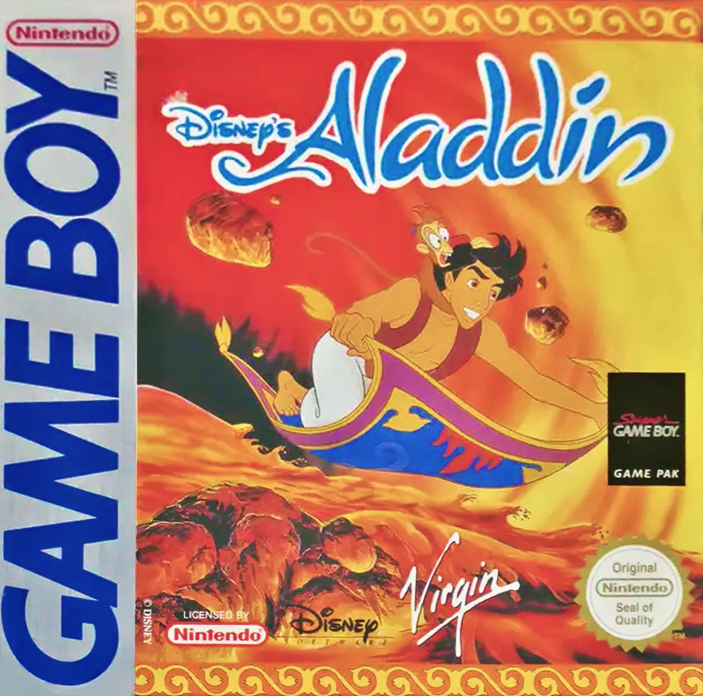
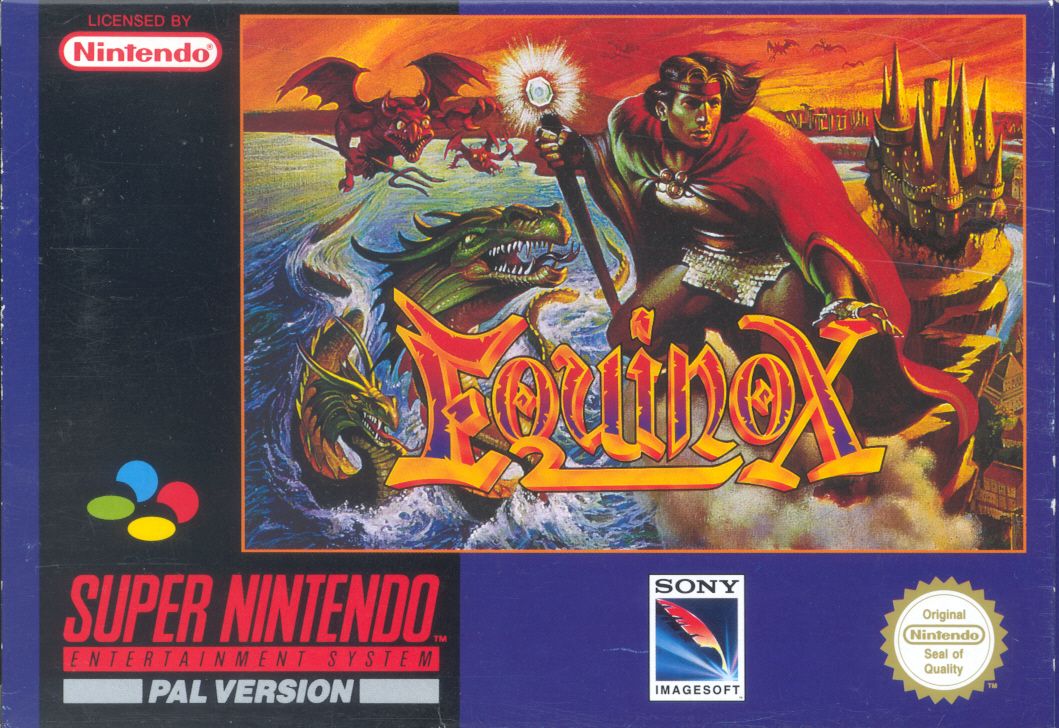
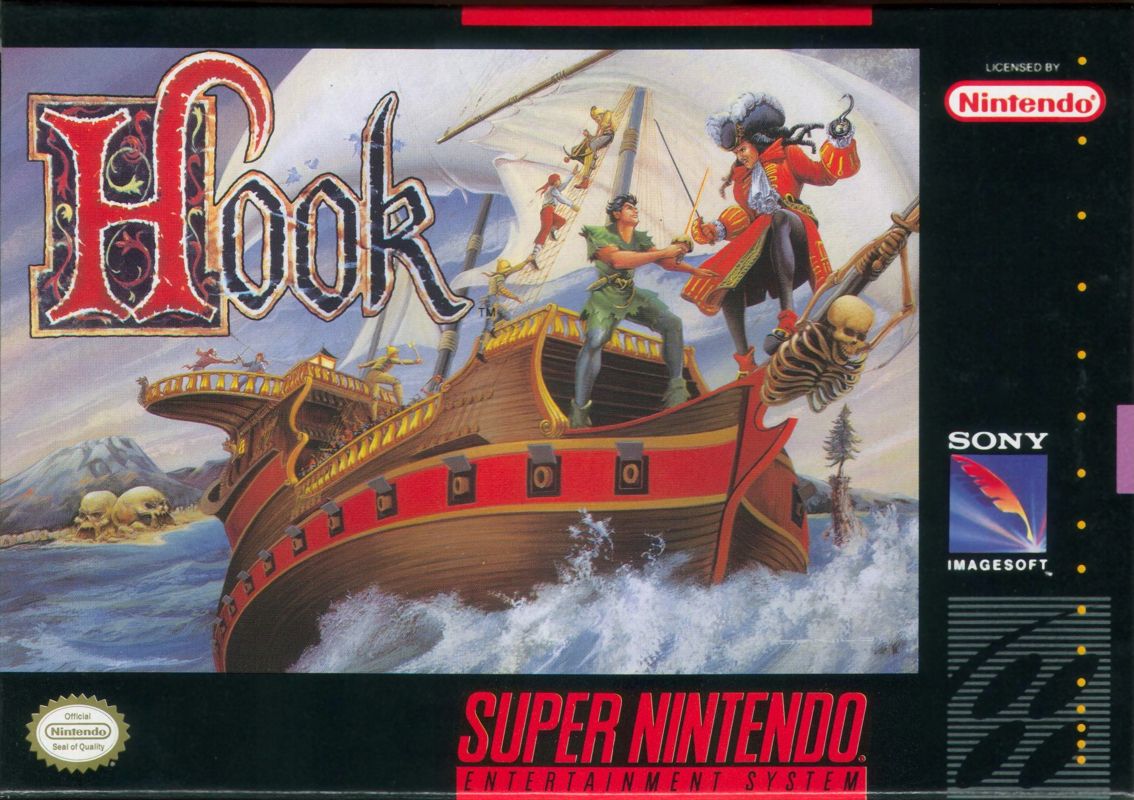
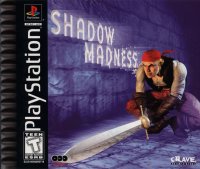
In the 1994 platformer Disney's Aladdin, apples are collected and thrown as projectile weapons against guards and other enemies. In Hook (1992) and the role-playing game Shadow Madness (1999), apples serve as consumable items that restore the player's health. In the isometric puzzle game Equinox (1994), apples appear as collectible point-scoring items scattered throughout the levels.
The implementation of these fruit-based items reflects the design trends of 1990s side-scrolling action games. In the console adaptations of
Disney's Aladdin, the abundance of these items throughout Agrabah establishes a tactical choice between close-quarters swordplay and ranged evasion, a mechanic that influenced subsequent Disney interactive adaptations. For
Hook, the inclusion of fresh produce aligns with the culinary imagery of the Lost Boys' feast, serving as immediate environmental pickups that sustain momentum during high-tempo platforming sequences across Neverland.
Within the intricate, grid-based rooms of
Equinox, the item functions as a spatial puzzle reward. Designers utilized their placement to guide players through complex isometric environments, rewarding thorough exploration of the game's multi-tiered dungeons. Conversely, the transition of the item into the late-1990s role-playing genre is exemplified by
Shadow Madness. Here, the fruit transitions from an immediate, on-contact pickup to a manageable inventory resource. This system requires players to strategically hoard and allocate sustenance during turn-based battles, anchoring a traditional fantasy trope within a distinct, surrealist RPG setting.