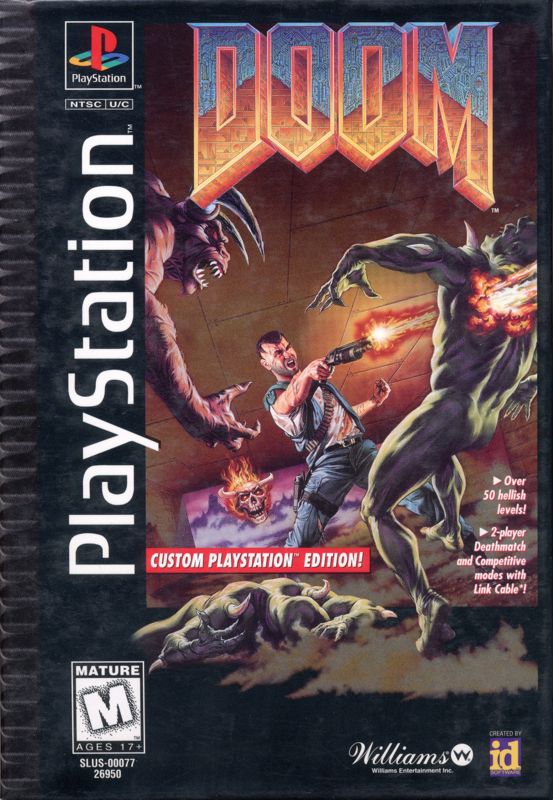
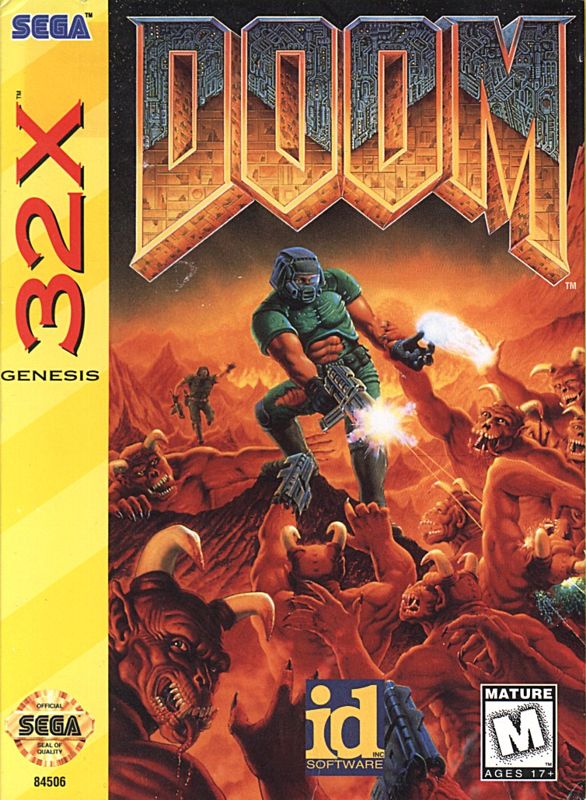
In the Doom franchise, including Doom (1993/1994) and Final Doom (1996), collecting a Backpack permanently doubles the player's maximum carrying capacity for all ammo types while providing a small supply of ammunition. In X-Men Legends (2004), backpacks serve as equippable gear items that enhance a mutant character's stats or passive abilities.
Within id Software's
Doom (1994),
Doom (1995), and
Final Doom (1996), the item appears as a brown sprite on the ground. Level designers strategically positioned these items in secret sectors or immediately preceding major boss encounters to signal upcoming spikes in difficulty. In multiplayer Deathmatch modes, securing the item early grants a significant tactical advantage by allowing players to hoard resources. The item's design and utility established a staple mechanic for the first-person shooter genre, influencing resource management in subsequent id Software titles.
In the action role-playing game
X-Men Legends [Player's Choice] (2004), these items represent a core component of the inventory system developed by Raven Software. Players acquire various tiers of these items, such as the Nanofiber Backpack, through random enemy drops, hidden crates, or by purchasing them from the character Forge using tech bits. Equipping these items onto specific X-Men allows players to customize individual character builds, tailoring heroes to roles like tanking or ranged damage. This mechanic laid the groundwork for the gear systems utilized in the game's sequel and the spiritual successor series,
Marvel: Ultimate Alliance.