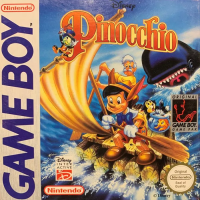
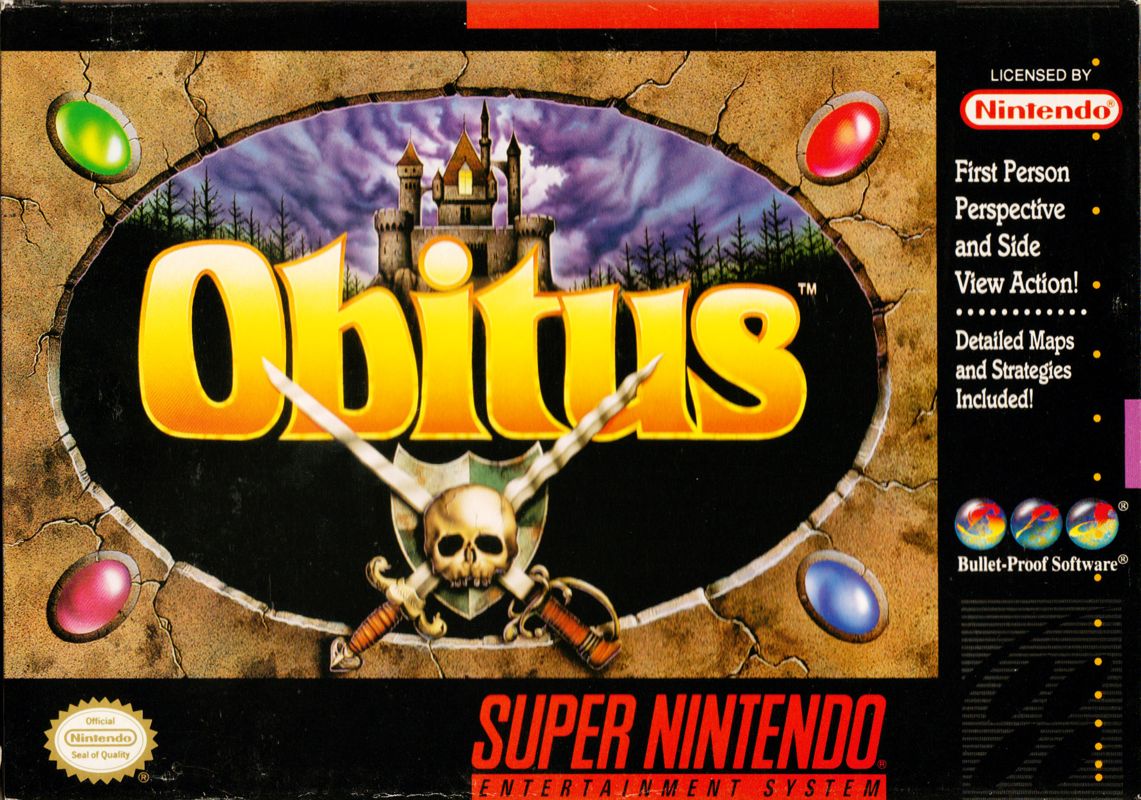
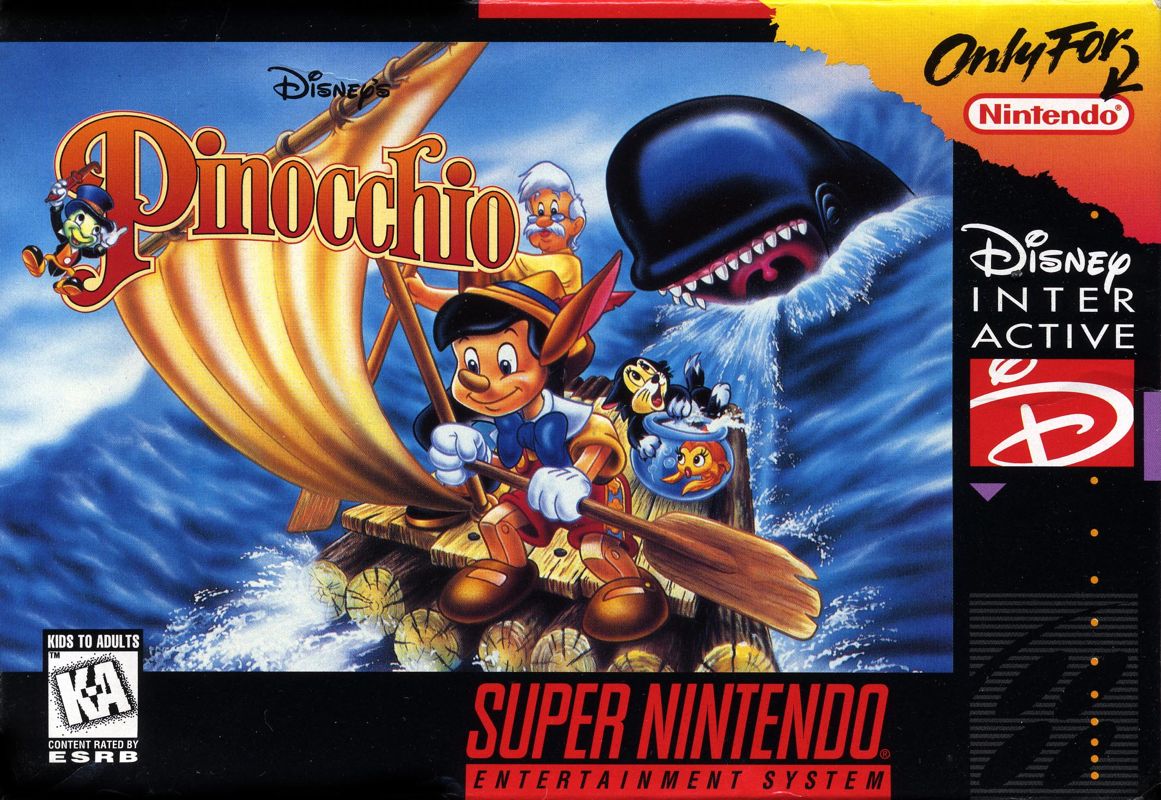
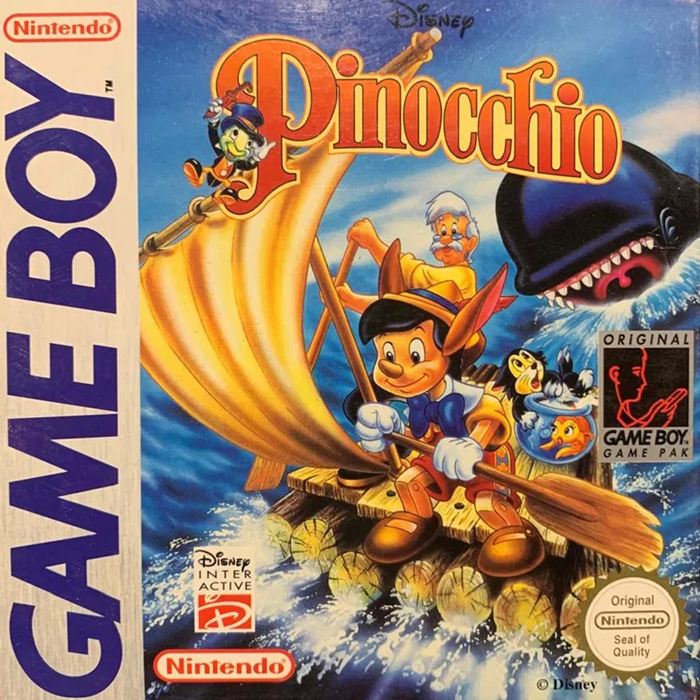
In the 1996 platform game Pinocchio, the titular character must collect scattered book pages on his way to school in the first stage. In the fantasy action-adventure game Obitus, finding and collecting various book pages is necessary to piece together clues and progress through the game's labyrinthine world.
During the 16-bit console era, physical literature frequently served as a thematic framing device for interactive mechanics. In the console adaptation of
Pinocchio, developed by Virgin Interactive, these items establish a direct narrative link to Carlo Collodi's 1883 novel, reinforcing the protagonist's pursuit of education. The visual design of these floating collectibles mirrors the hand-drawn aesthetic of the 1940 Walt Disney animated feature, serving as a primary metric for stage completion across the Sega Genesis and Super Nintendo versions.
Conversely, the Super Nintendo release of
Obitus, published by Bullet-Proof Software, utilizes these documents to enhance its atmospheric, first-person dungeon crawling elements. Rather than functioning as simple score-boosting collectibles, the pages operate as vital narrative artifacts. They provide cryptic lore and essential cartographic assistance, reflecting the game's origins as a personal computer title where players were expected to keep physical journals.
Together, both titles demonstrate how mid-1990s game designers utilized paper documents as tangible in-game rewards to bridge the gap between traditional literary storytelling and early digital interactive environments.