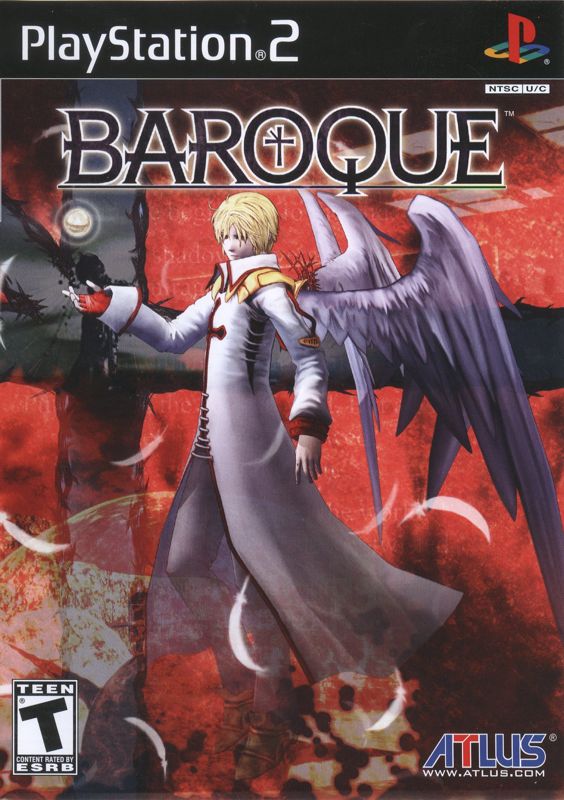
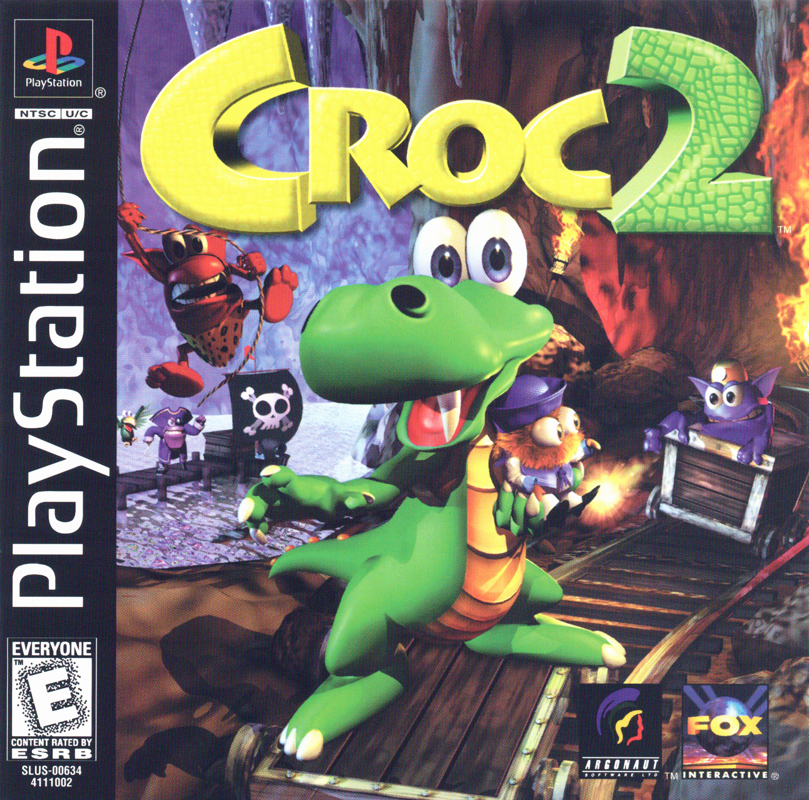
In Crash Bandicoot 2: Cortex Strikes Back, these crates display a question mark and release Wumpa fruit or extra lives when smashed. In Croc 2, they serve as destructible containers holding crystals or key items. In the 2008 remake of Baroque, they appear as mysterious inventory items that must be opened or identified to reveal their contents.
The implementation of these mystery containers reflects a broader late-1990s design trend of integrating randomized rewards into platforming and role-playing progression systems. In Naughty Dog's
Crash Bandicoot 2: Cortex Strikes Back, these objects are vital for completionists, as missing a single one prevents players from acquiring the level's Gem. They represent an evolution of the standard crates introduced in the franchise's debut, strategically placed to challenge player physics and navigation.
Argonaut Games utilized similar mechanics in
Croc 2, placing the containers throughout distinct hub worlds, such as the Sailor Gobbo and Cossack Gobbo villages. Players must utilize Croc's specific moveset, including the tail whip and ground stomp, to access their contents, which often aid in purchasing upgrades from Swap Meet Pete.
In the 2008 remake of
Baroque, the item functions within a dark fantasy roguelike framework. Unlike their platforming counterparts, these boxes occupy limited inventory slots in the Neuro Tower. Players must weigh the risk of opening them immediately against using scarce identification resources, highlighting how a shared visual motif serves vastly different gameplay loops across genres.
 (En,Fr,De,Es,It) (No EDC).png)


 (En,Fr,De,Es,It) (No EDC).png)