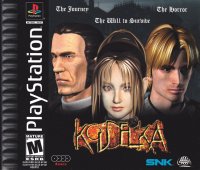
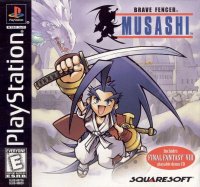
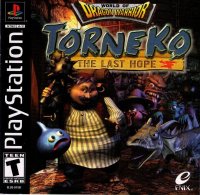
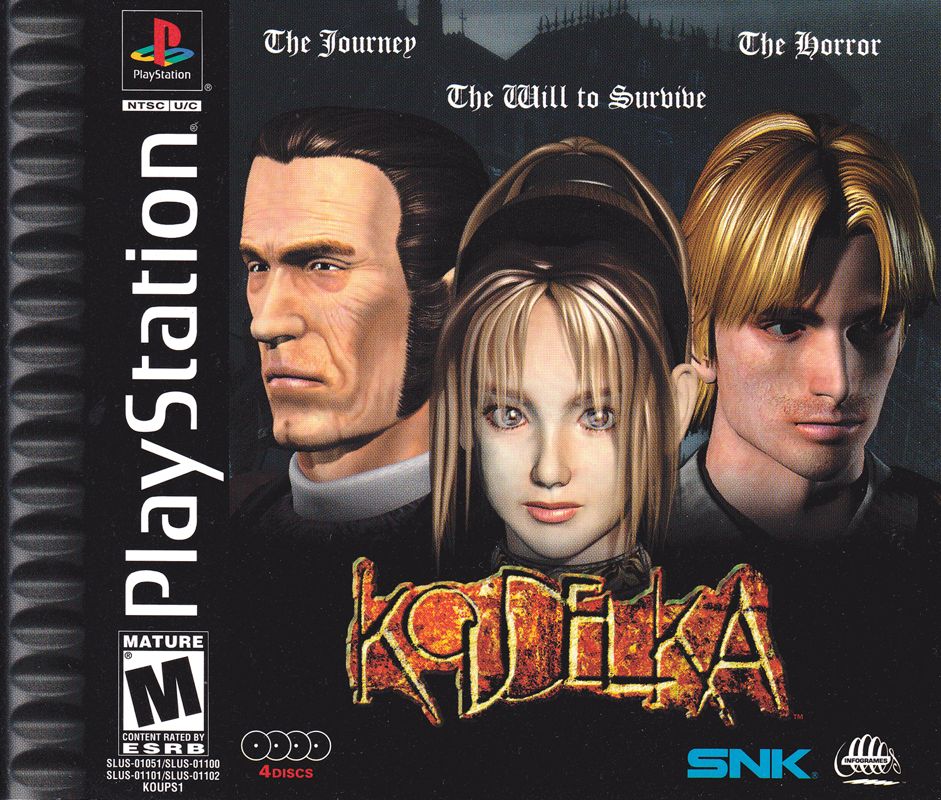
In titles like Aladdin (1993) and Brave Fencer Musashi (1998), bread serves as a collectible or purchasable recovery item to restore the player's health. It also appears as a healing consumable in RPGs such as Koudelka, Torneko: The Last Hope, and Dark Chronicle. In the Satellaview title Zelda: Ancient Stone Tablets, it functions similarly to the bait from the original Legend of Zelda.
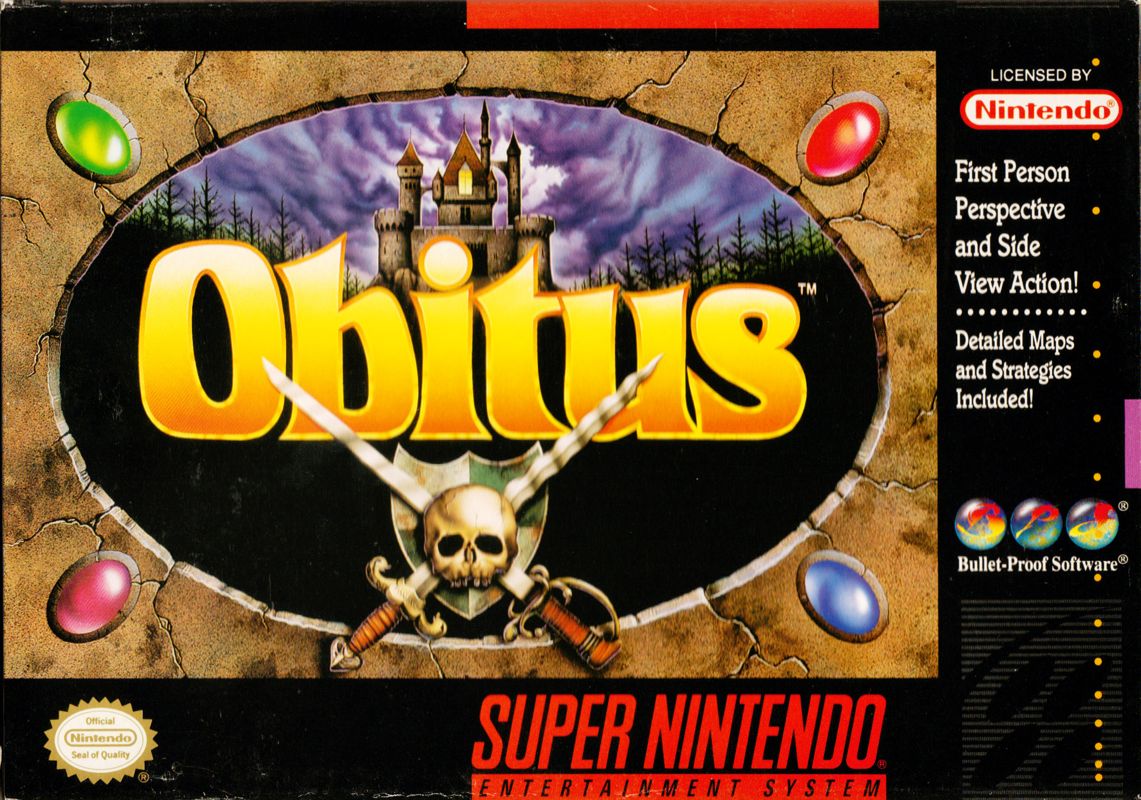
In
Obitus, players must manage their character's physical condition, making bread a vital resource to prevent starvation during long dungeon crawls. The item's implementation in
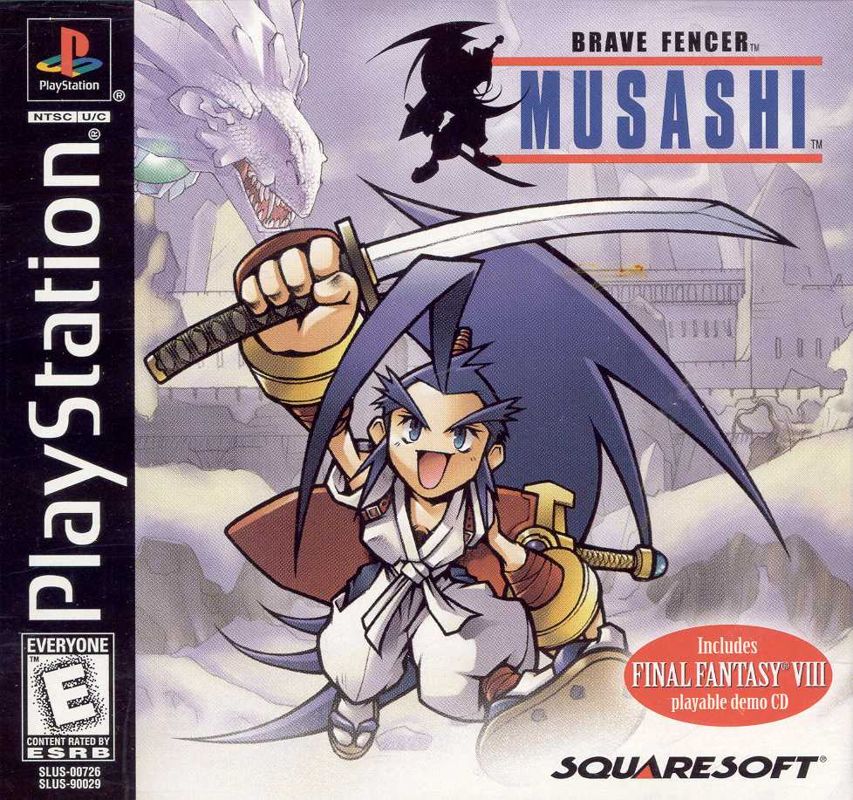
Brave Fencer Musashi introduces a spoilage mechanic, where bread purchased from the Grillin Village bakery gradually degrades into sour bread if left unused in the inventory. This mechanic of decay also appears in
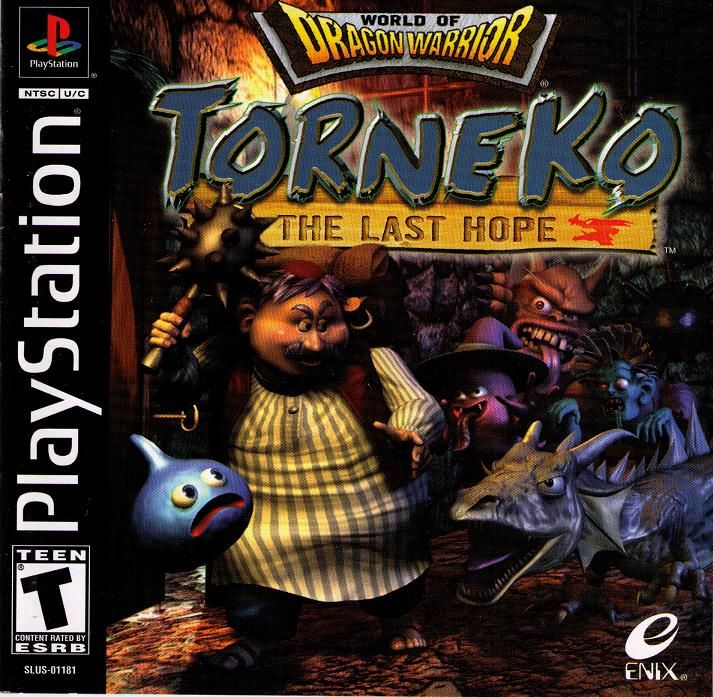
Torneko The Last Hope, where bread directly manages the hunger meter; however, stepping on traps or encountering certain enemies can turn it into moldy bread, which inflicts negative status effects when consumed.
Within the gothic horror setting of
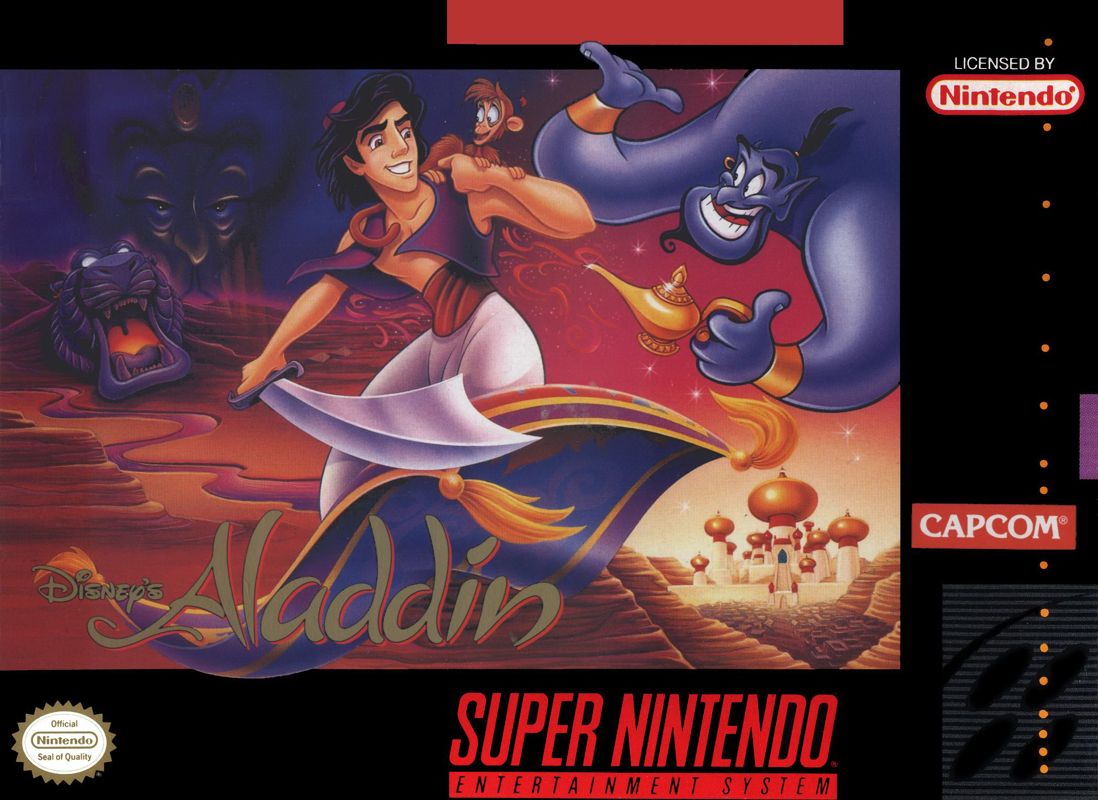
Koudelka, bread is discovered while exploring the dark corridors of Nemeton Monastery, representing one of the few realistic sustenance items available to the party. In the platformer
Aladdin, the item directly references the protagonist's narrative background as a street thief stealing loaves to survive. For
Dark Chronicle, players can acquire bread through crafting and invention systems or purchase it from NPCs like Cedric. In the Satellaview broadcast of
Zelda Ancient Stone Tablets, players purchase the item from merchants in Hyrule to solve specific progression puzzles, mirroring the bait mechanics of its NES predecessor.