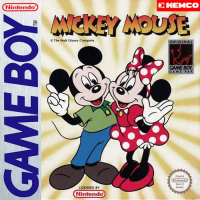
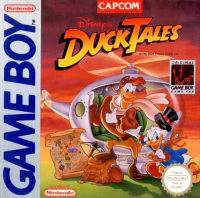
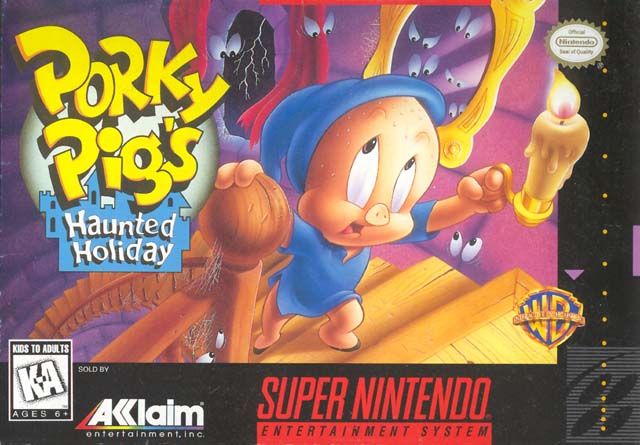
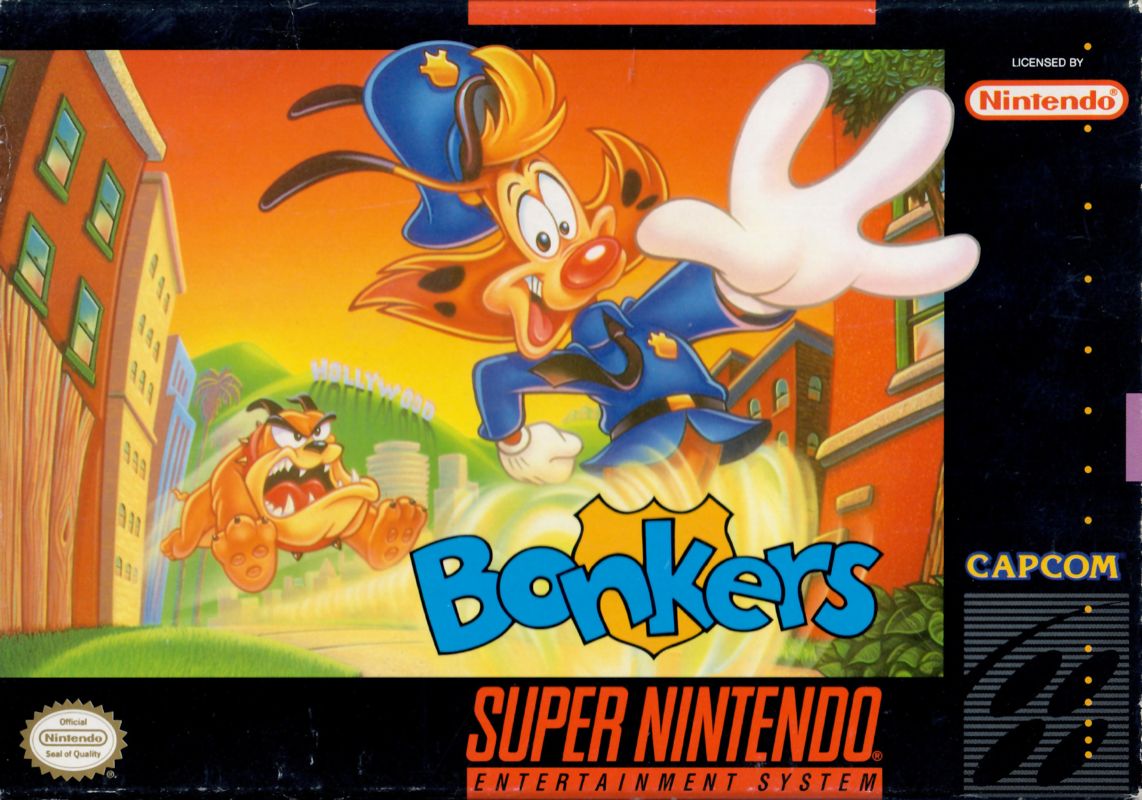
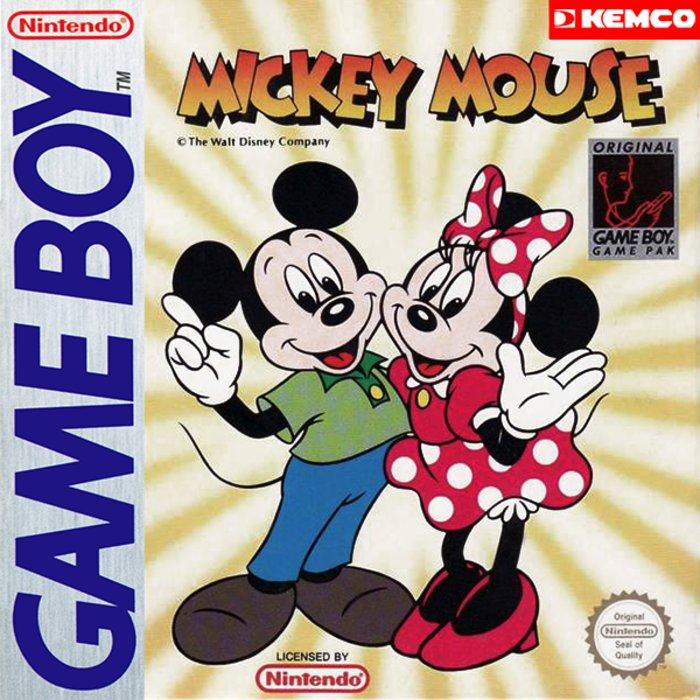
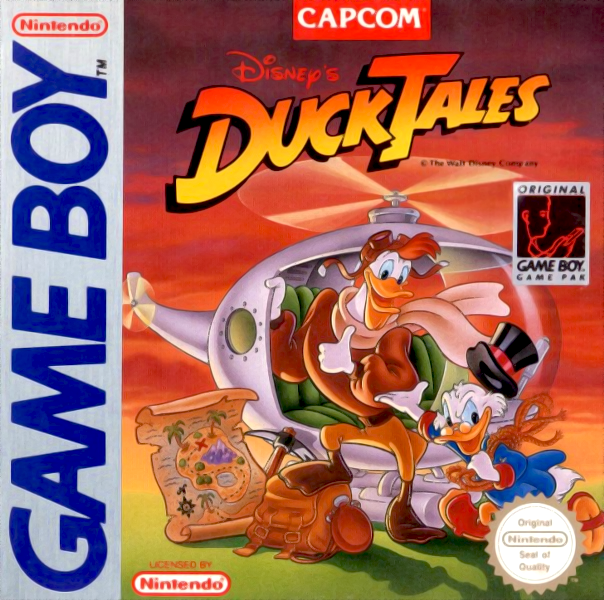
In classic Disney-licensed platformers like DuckTales, Mickey Mouse, and Bonkers, the Cake appears as a valuable pickup that restores the player's health or awards bonus points. The item also serves as a recovery or interactive object in other retro titles such as Porky Pig's Haunted Holiday, Mr. Moskeeto, and Warriors of Might and Magic.
During the 8-bit and 16-bit eras, developers frequently utilized this confectionery item to fit the whimsical, cartoon aesthetics of Disney adaptations. In the Game Boy release of
Duck Tales (1991), Scrooge McDuck retrieves whole cakes to completely replenish his hit points, a mechanic optimized for the handheld's difficulty scaling. For
Mickey Mouse (1992), the item aligns with the franchise's tradition of using domestic, non-violent objects for survival.
As graphics transitioned to 16-bit in
Bonkers (1994), the visual design of the cake became more detailed, reinforcing the slapstick atmosphere of the animated series. This design philosophy influenced other 1990s platformers; in
Porky Pig's Haunted Holiday (1995), the item provides a comforting contrast to the game's surreal, nightmarish environments. Beyond side-scrollers, the item transitioned into 3D spaces. In the simulation
Mr. Moskeeto (2000), a cake left in the Yamada family kitchen serves as an interactive zone to distract humans, while in the action-RPG
Warriors of Might and Magic (2001), its inclusion acts as a lighthearted, hidden easter egg amidst an otherwise grim fantasy setting.
.png)

_1.png)

.png)





_1.png)