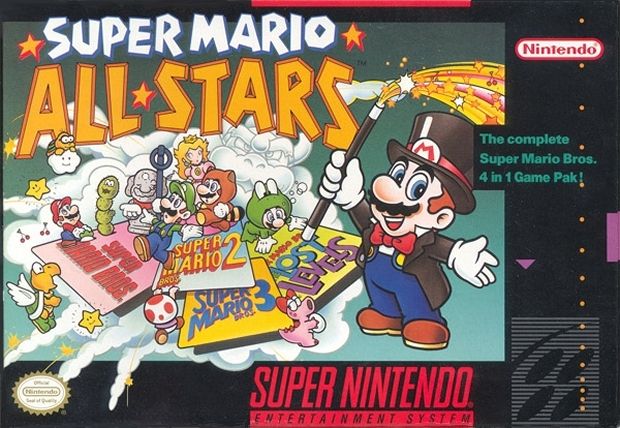
In the Game Boy puzzle game Dexterity (1990), the cherry appears as a collectible item on the grid. Within the Super Mario Bros. 2 portion of Super Mario All-Stars (1993), collecting a set number of cherries spawns a Starman power-up. In Rampage Total Destruction (2000), cherries serve as one of the many food items that monsters can consume to increase their score.
The inclusion of this fruit across distinct retro titles highlights its utility as a foundational sprite in early game design. In the puzzle layout of
Dexterity, players must navigate a grid to collect these items under strict time limits, where they contribute to clearing stages. Within the broader
Super Mario franchise, the cherry's appearance in
Super Mario All-Stars originates from the 1988 NES title
Super Mario Bros. 2 (originally
Yume Kōjō: Doki Doki Panic). Unlike traditional power-ups hidden in blocks, these floating items are placed directly in the open air of levels, requiring precise platforming to reach.
In the context of
Rampage Total Destruction [Not For Resale], the item represents the series' long-standing mechanic of interactive city environments. Players uncover these fruits by smashing specific high-rise apartments and storefronts, integrating the item into the core destructive gameplay loop. Across all three properties, the cherry serves as a highly visible, universally understood visual shorthand for sustenance and progression, demonstrating how early developers utilized simple real-world imagery to guide player behavior without complex tutorials.