In the God of War franchise, chests are essential gameplay elements that yield red, green, or blue orbs to restore health and magic, or contain rare items like Gorgon Eyes. They also serve as item and treasure containers in classic titles such as Gods and Wolfenstein 3D.
In
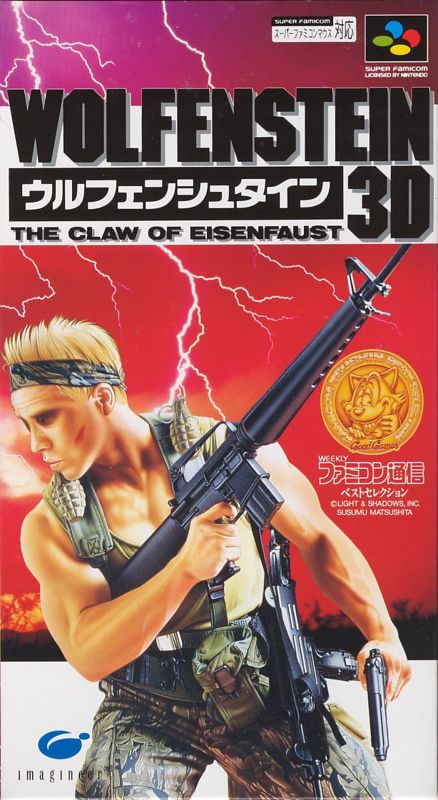
Wolfenstein 3D (1994), these containers function as static treasure sprites that award high scores, directly influencing the player's progression toward earning extra lives. Similarly, the platformer
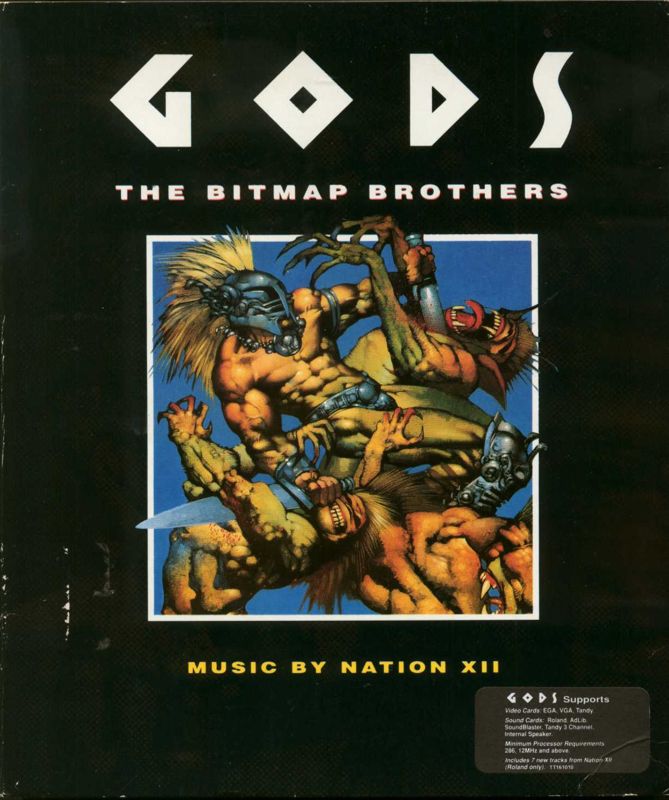
Gods (1992) integrates them into complex environmental puzzles, requiring players to locate specific keys to access their contents.
By the release of
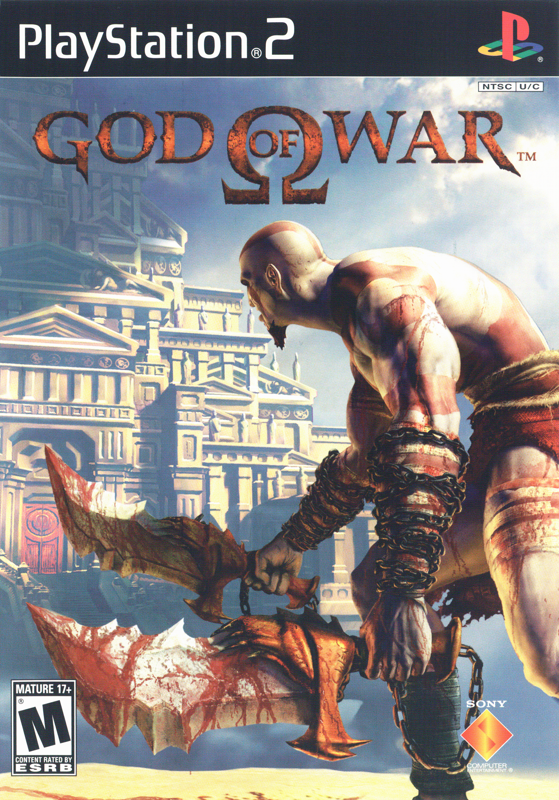
God of War (2005) and
God Of War 2 [Not for Resale] (2007), the mechanic evolved into a physical, quick-time event interaction. Players must rapidly press buttons to force open heavy stone lids, a design choice that emphasizes the protagonist's immense physical strength. This tactile feedback was preserved in the remastered
God of War Collection (2007).
Other releases, such as the promotional version of
Spartan Total Warrior [Promo Not For Resale] (2000) and the platformer
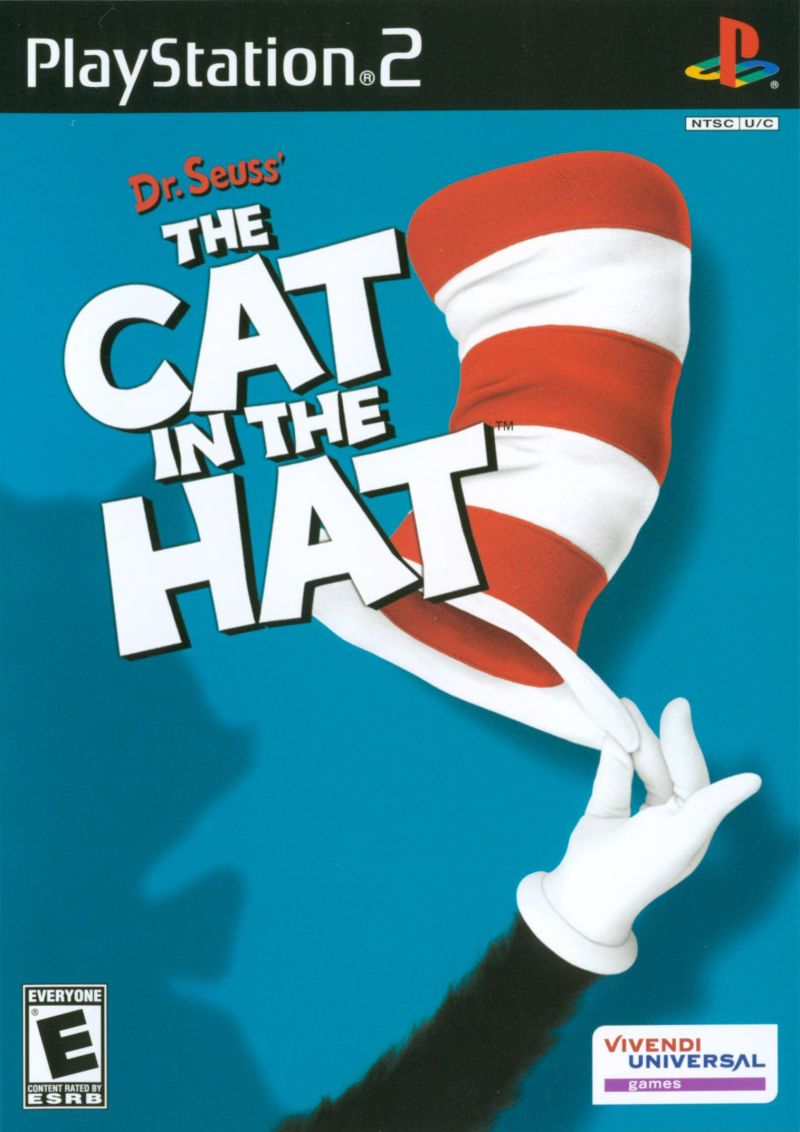
The Cat in the Hat (2000), utilize these containers to gate progress and reward thorough exploration of the game world. Across these diverse franchises, the transition from simple score-boosting objects to highly animated, interactive set pieces reflects broader shifts in action-adventure game design.