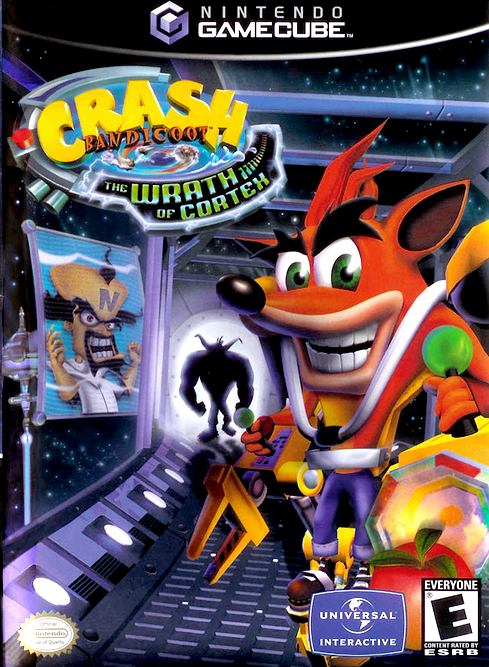
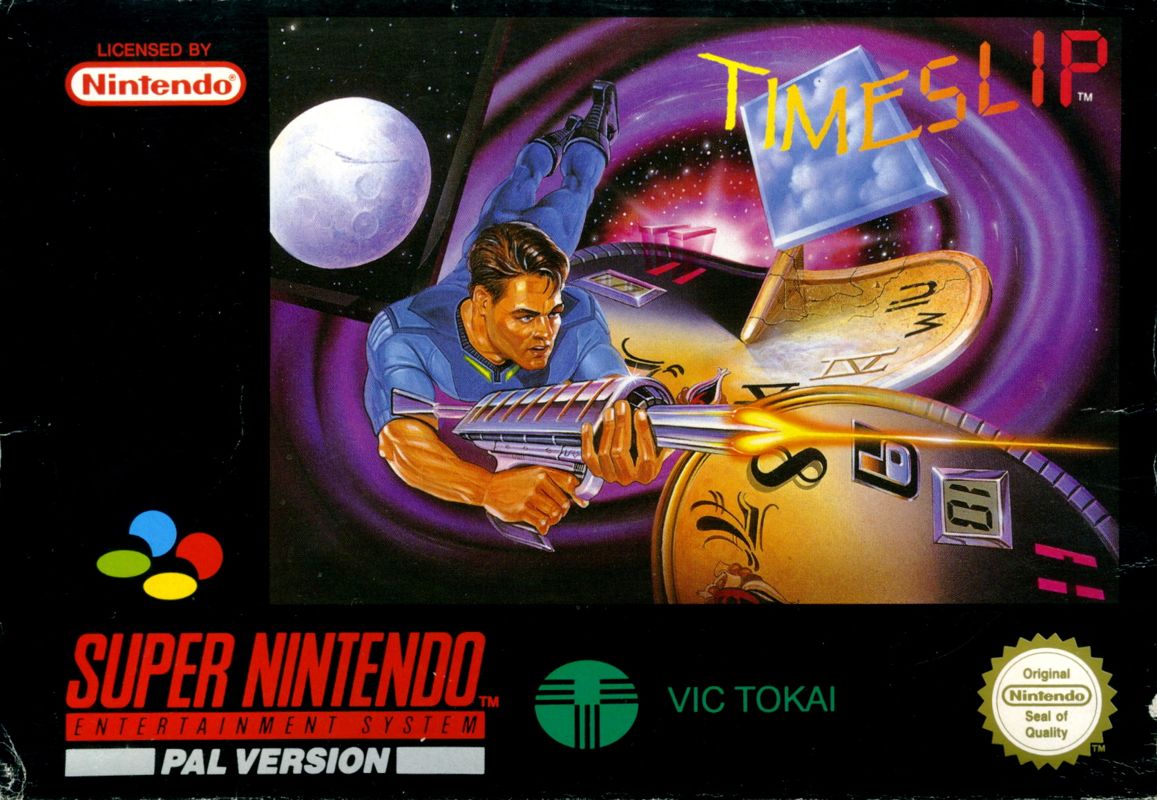
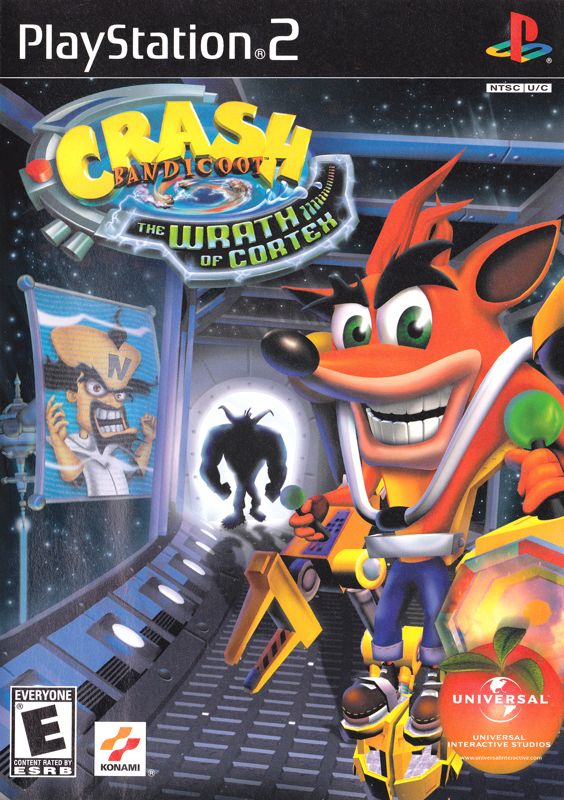
In Crash Bandicoot: The Wrath of Cortex, crates are primary gameplay elements that players break to collect Wumpa Fruit, extra lives, and Aku Aku masks, or must avoid when filled with explosives. In the survival horror shooter Alien Resurrection, crates serve as destructible supply caches containing ammunition and health packs. In the side-scrolling action game Timeslip, they function as physical obstacles and platforms that players navigate around.
Timeslip (1993) utilized these objects to define the spatial limits of its 8-bit and 16-bit environments, reflecting the era's reliance on rigid grid-based level design. By the release of
Alien Resurrection (2000) on the PlayStation, the object evolved into a staple of three-dimensional environmental storytelling, helping to establish the tense, industrial atmosphere of the Weyland-Yutani research vessel.
The release of
Crash Bandicoot The Wrath of Cortex (2001 on PlayStation 2; 2002 on Xbox and GameCube) represented a major technological milestone for the franchise's signature item. As the first mainline entry developed by Traveller's Tales rather than Naughty Dog, the game preserved the established physics of the objects while utilizing the enhanced processing power of sixth-generation consoles to render more detailed textures and dynamic debris physics upon destruction. This continuity helped solidify the object's status as an industry-wide symbol of platforming design, bridging the gap between classic 32-bit layouts and modern high-definition sequels.






.png)



.png)