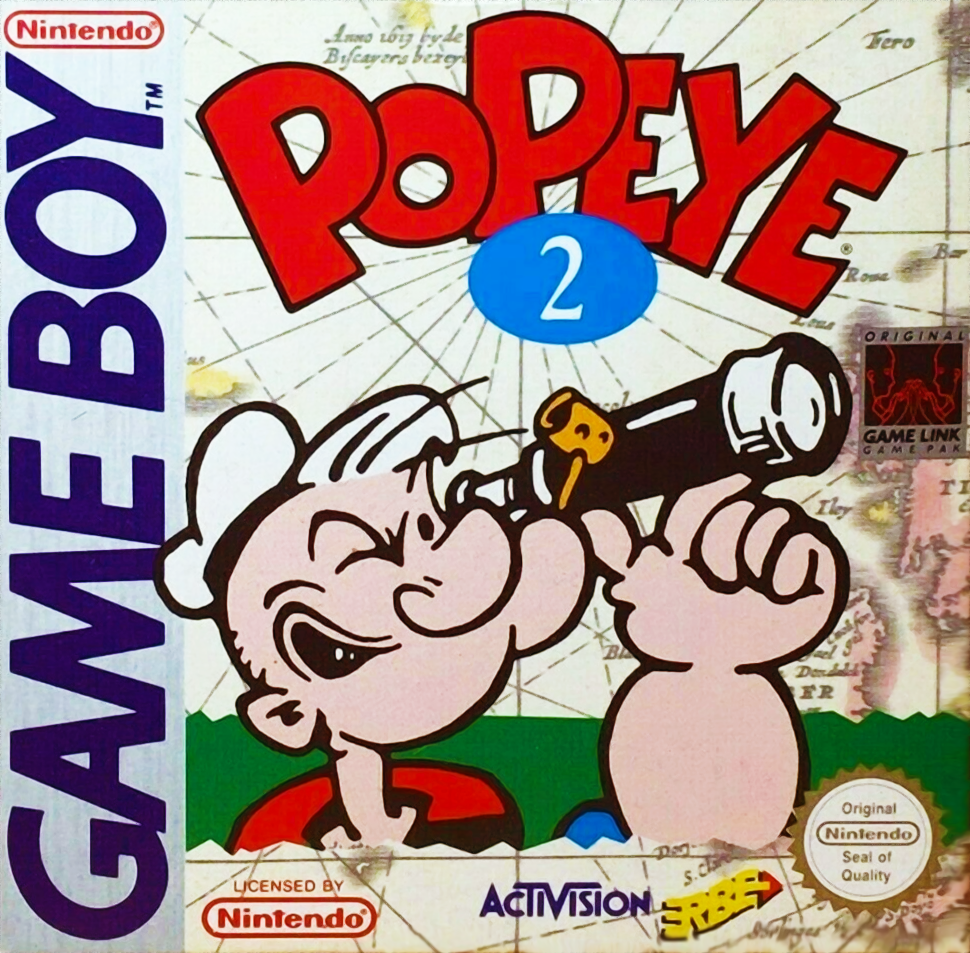
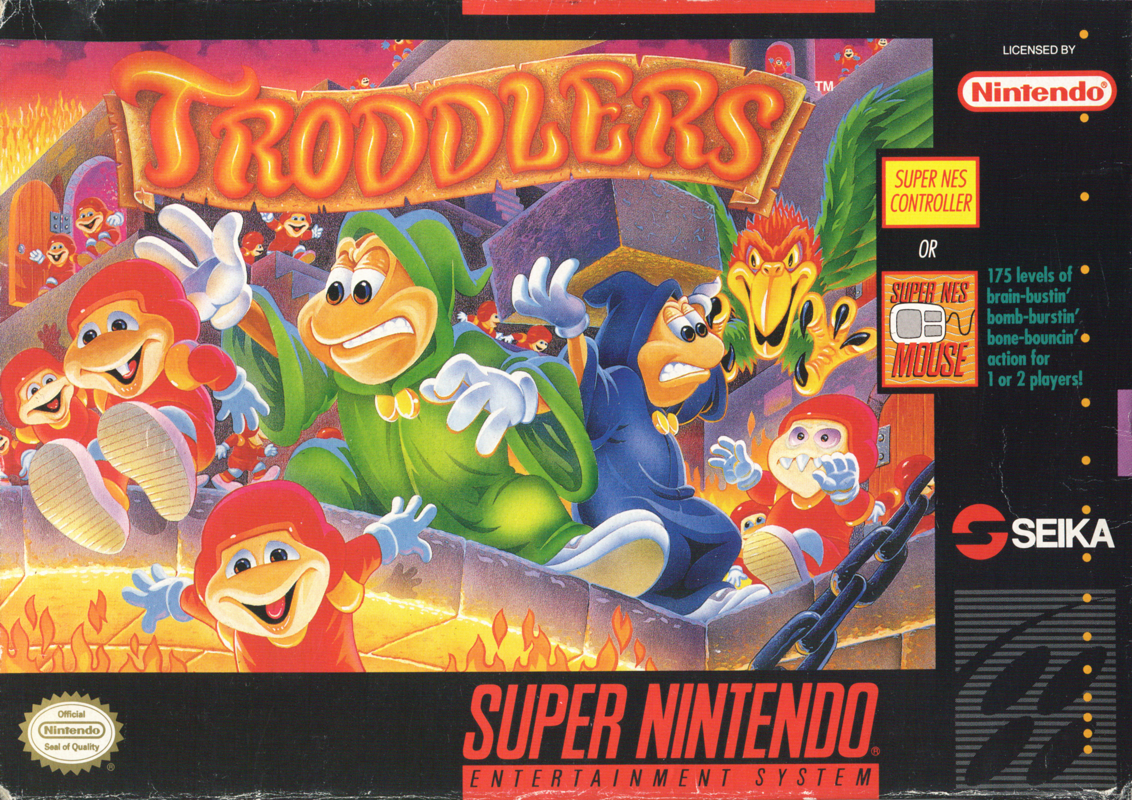
In the DuckTales franchise, diamonds serve as valuable treasures collected by Scrooge McDuck to increase his total wealth. Across other retro titles like Goof Troop, Congo's Caper, and Popeye 2, collecting these gems typically awards points or extra lives. In puzzle and action games like Troddlers, diamonds often function as key items required for level progression.
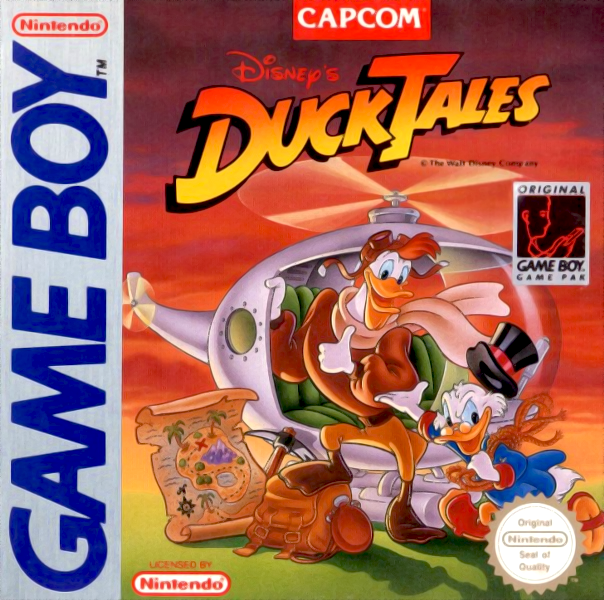
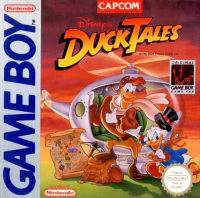
The inclusion of these glittering collectibles dates back to the 8-bit and 16-bit eras, where developers utilized them as clear visual indicators of high-value rewards. In the Game Boy release of
Duck Tales (1991), Capcom integrated various colored gems to reward players who explored hidden areas and defeated enemies, establishing a design template for subsequent Disney-licensed titles. This mechanic carried over into Capcom's
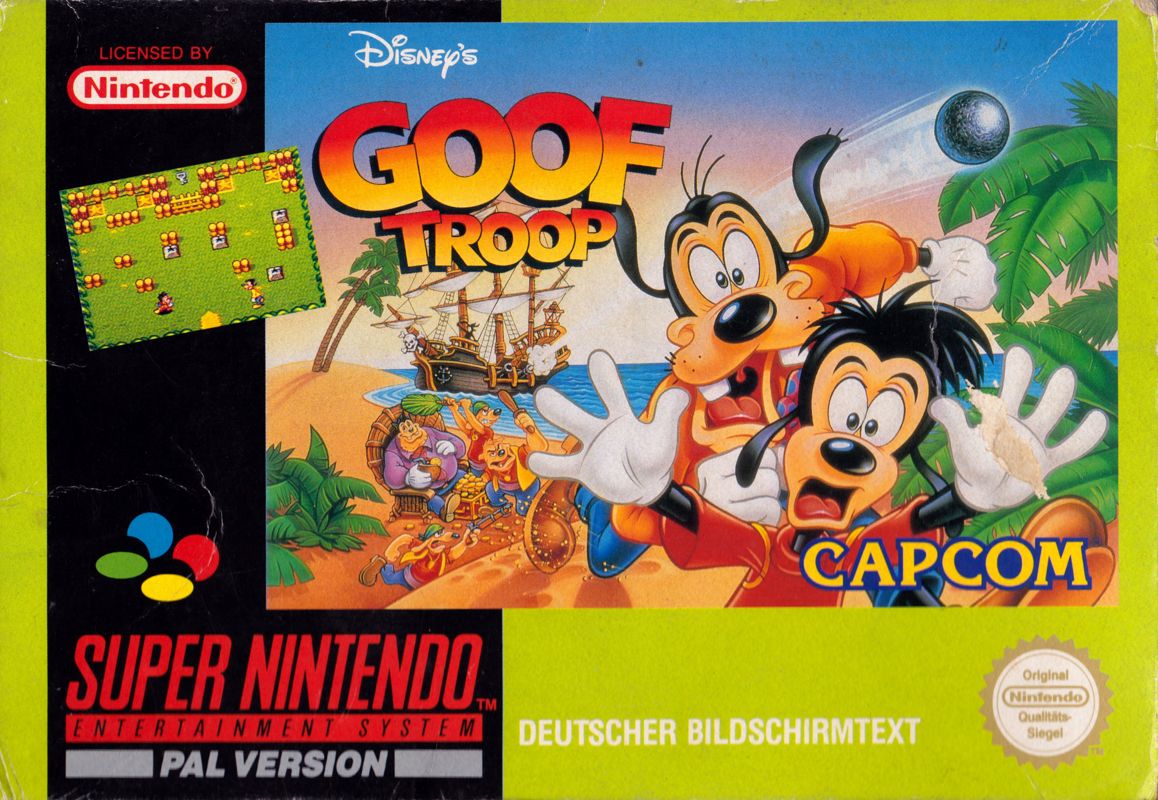
Goof Troop (1993) on the Super Nintendo Entertainment System, where the items were placed in intricate puzzles designed by Shinji Mikami.
During the same period, other developers adopted the motif to fit different genres. In the puzzle-platformer
Troddlers (1993), players had to manipulate blocks to guide assets toward these gems. For action-oriented titles like
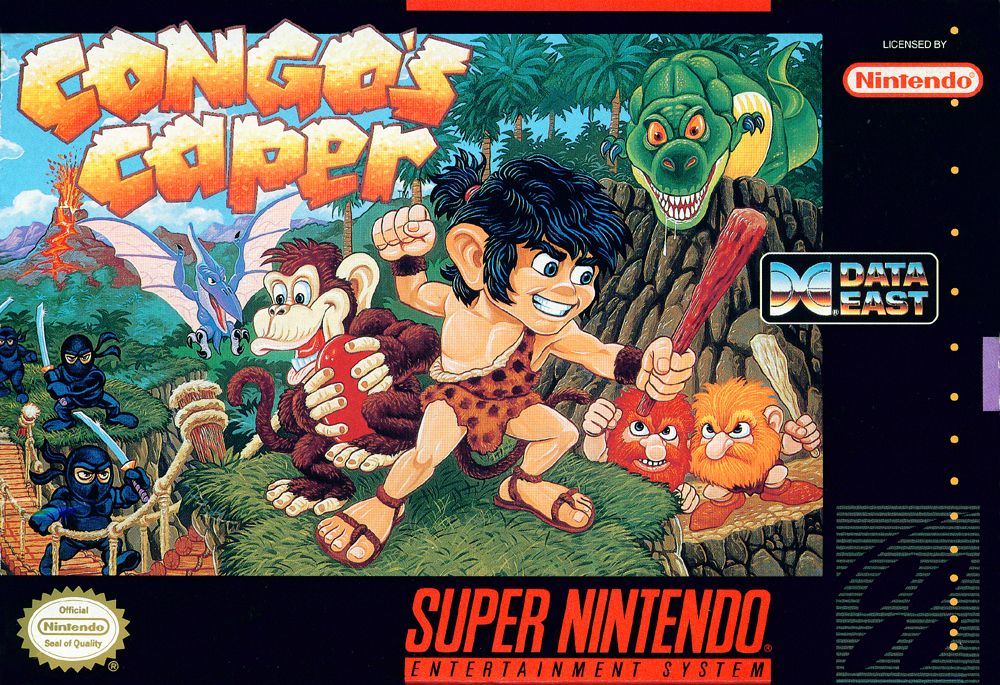
Congo's Caper (1993) and the sci-fi shooter
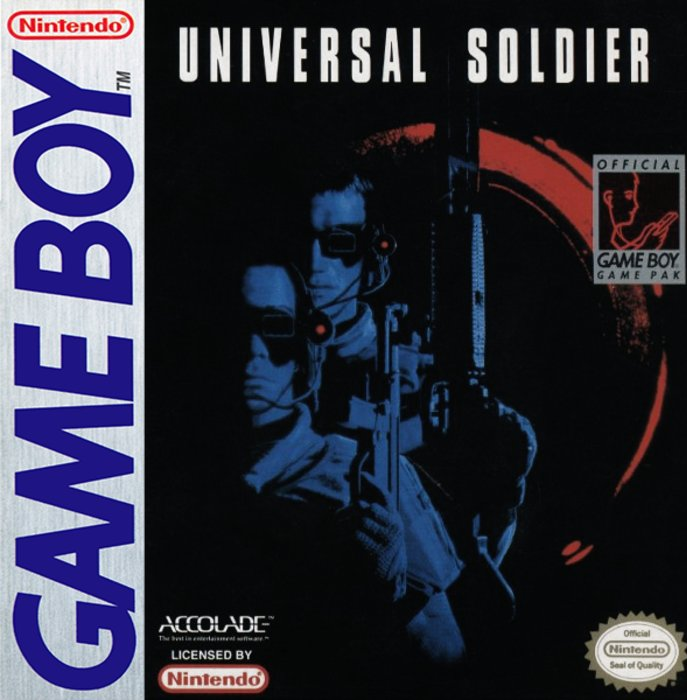
Universal Soldier (1993), the items provided immediate incentive for risk-taking in hazardous environments. By the time of
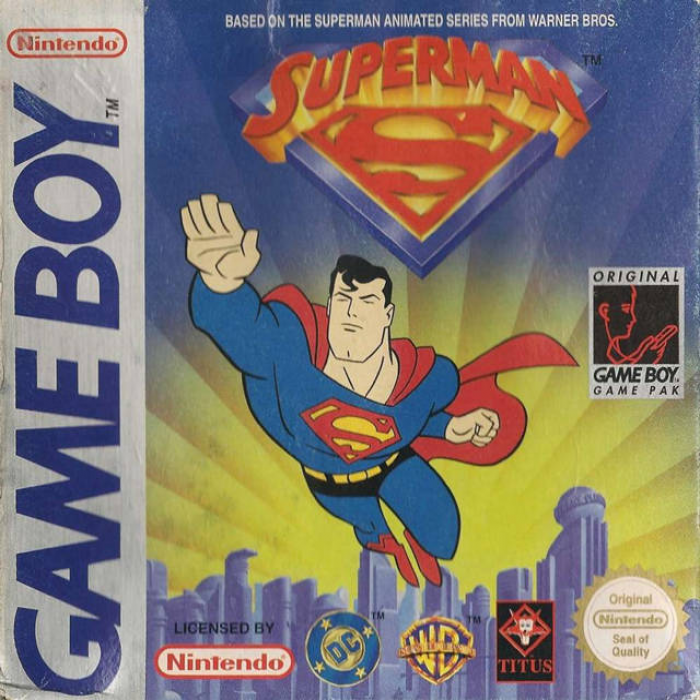
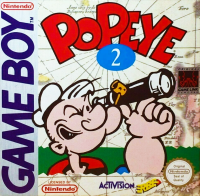
Popeye 2 (1994) on the Game Boy and the later release of
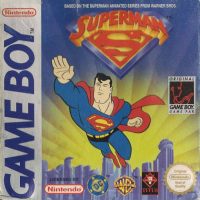
Superman (1997) on the Game Boy, the icon had become a universal shorthand for completionists seeking to maximize their in-game performance across diverse handheld and home console platforms.