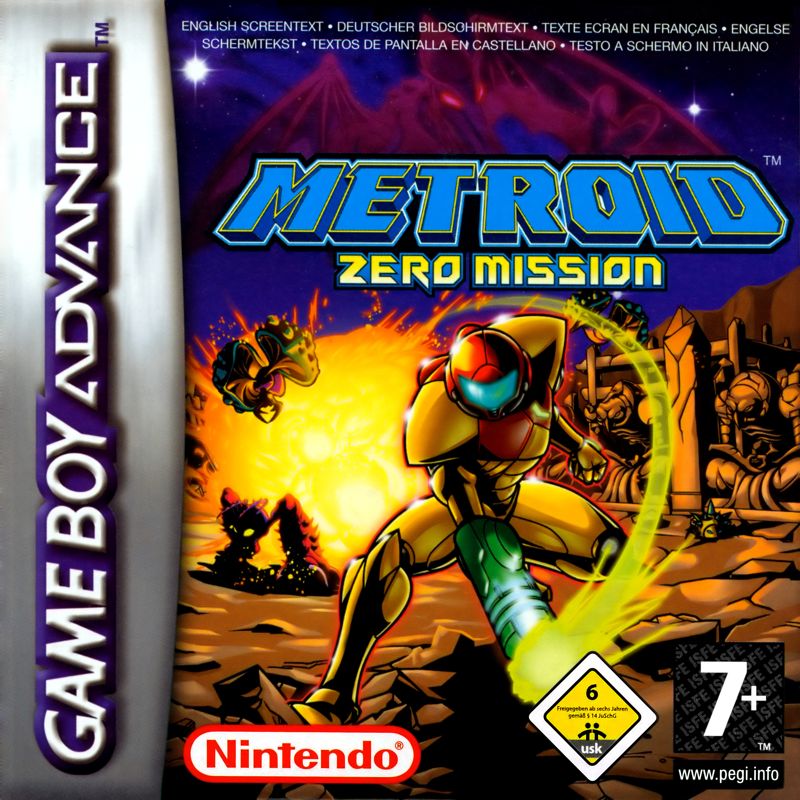
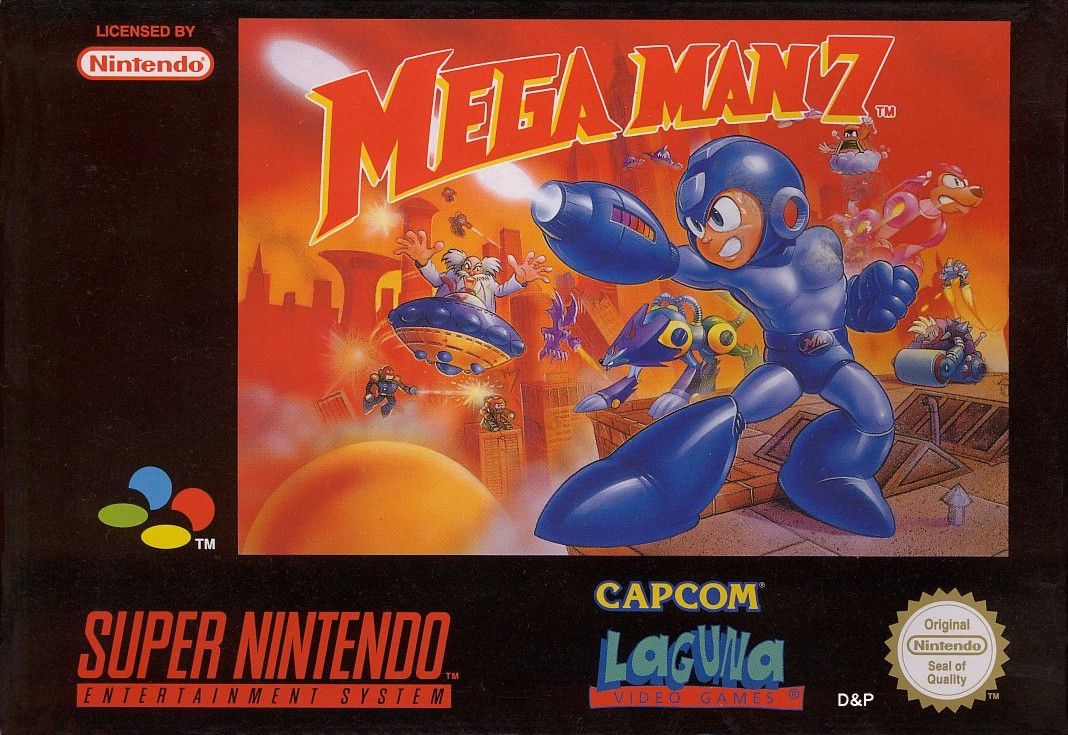
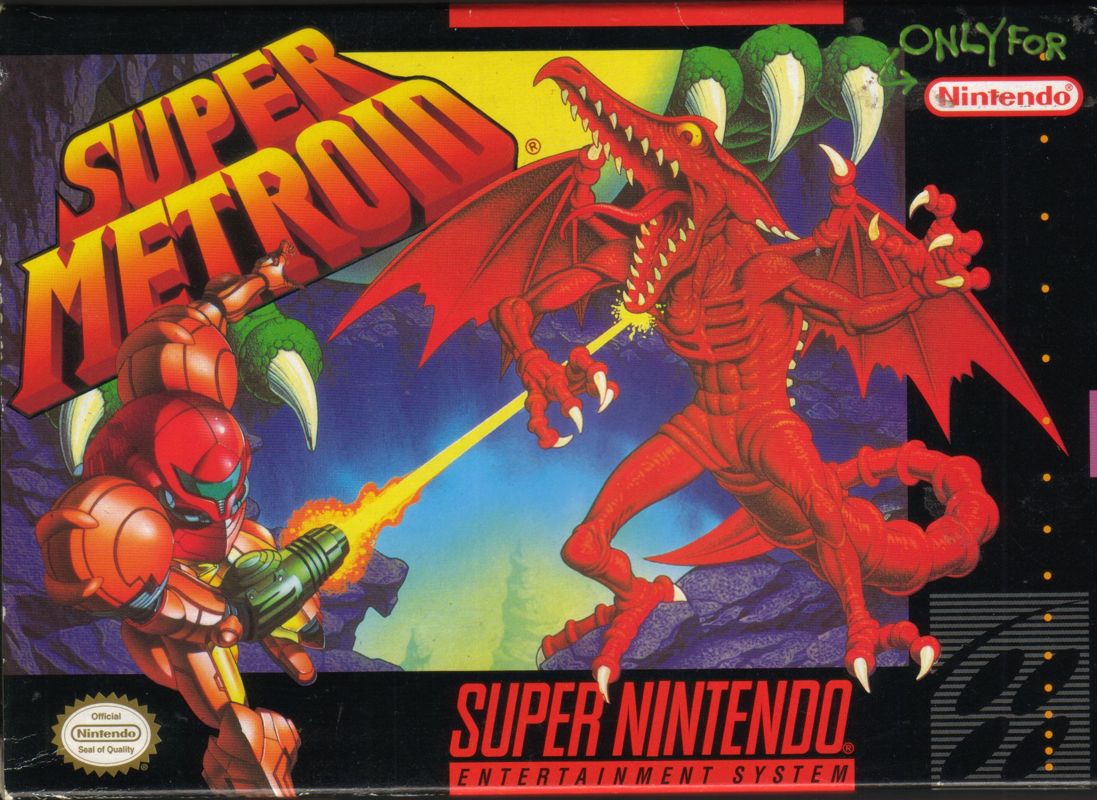
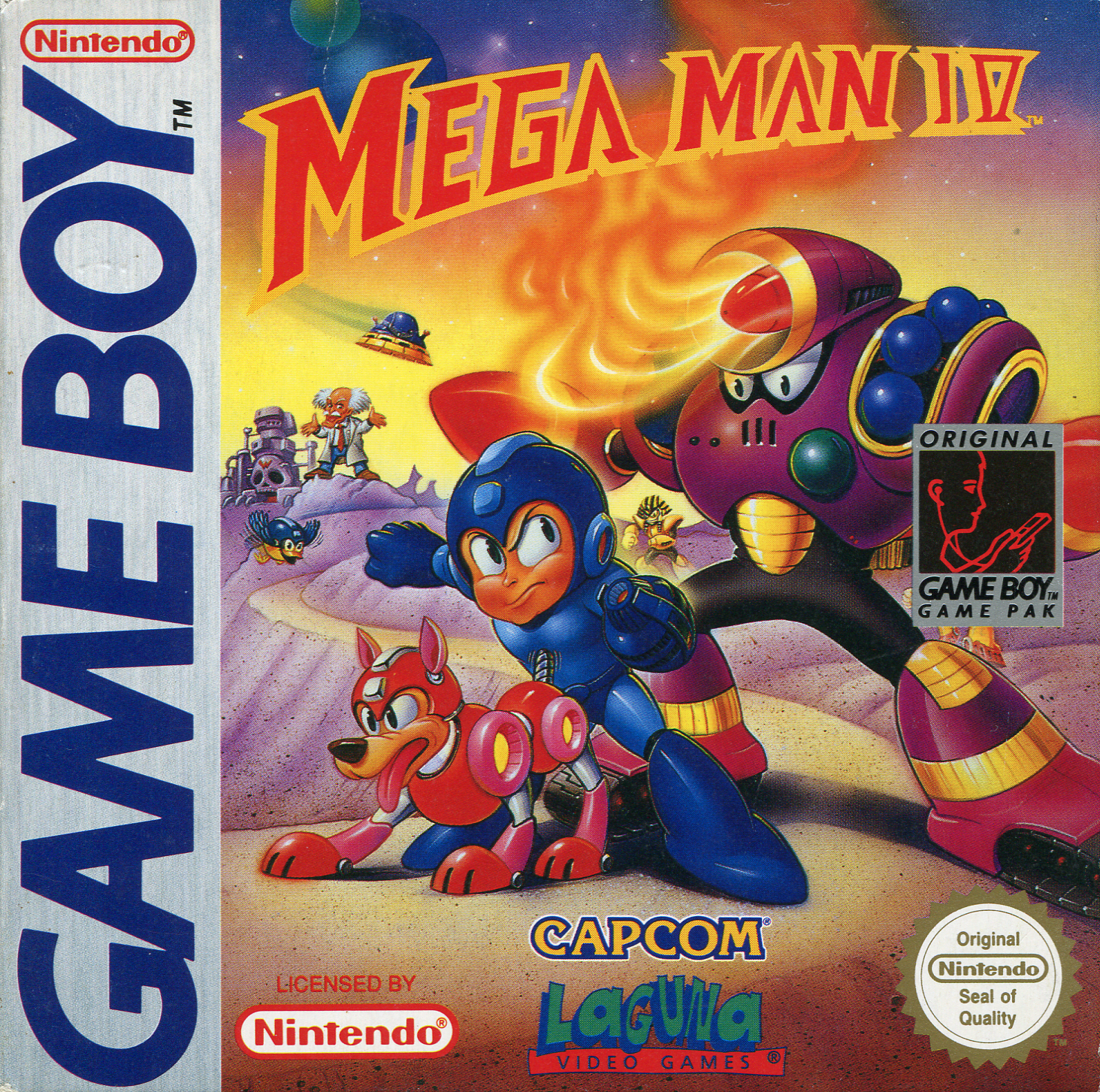
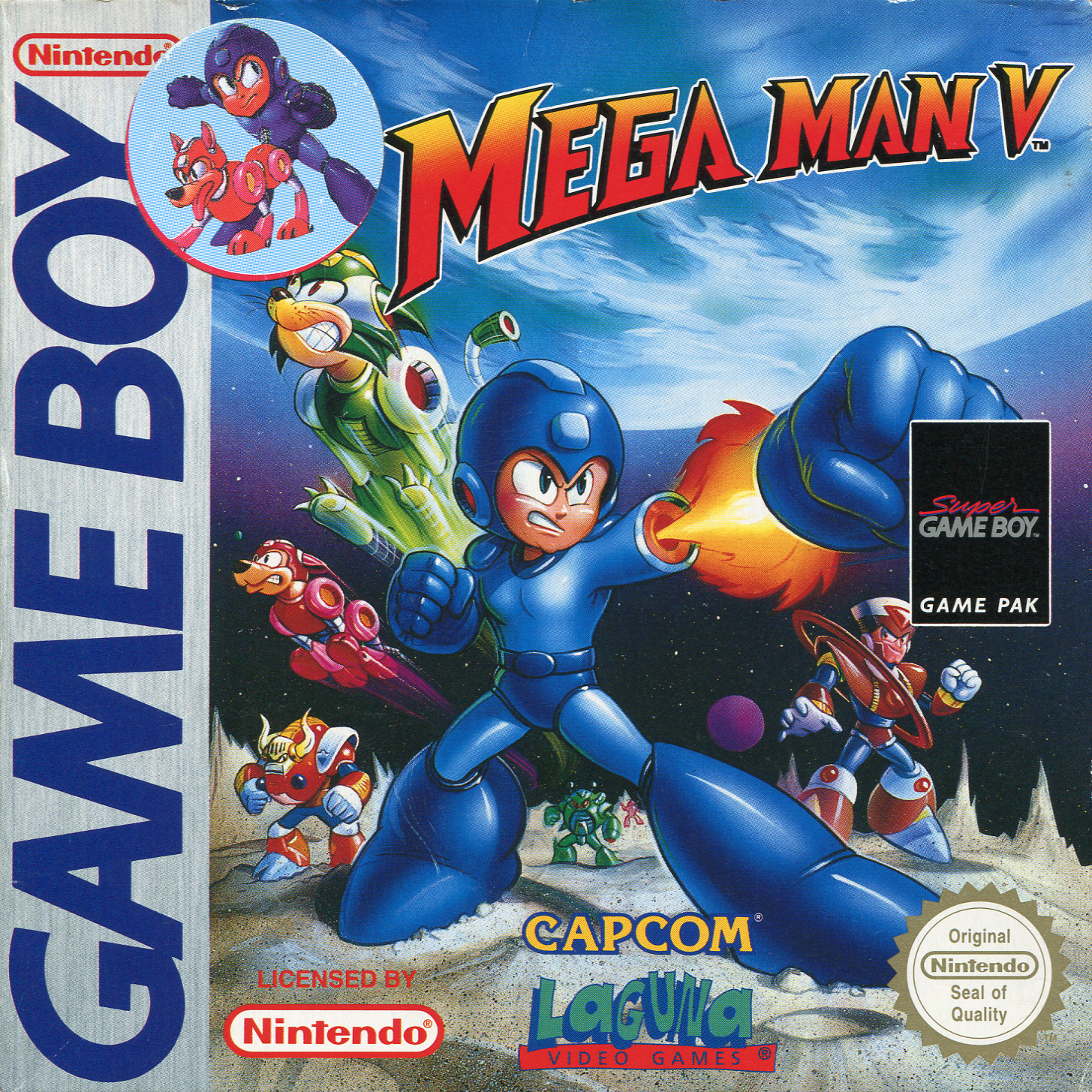
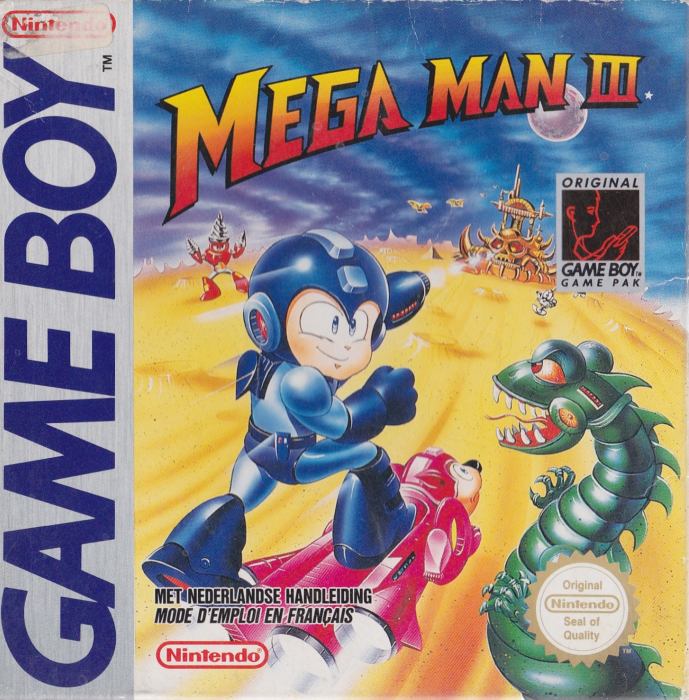
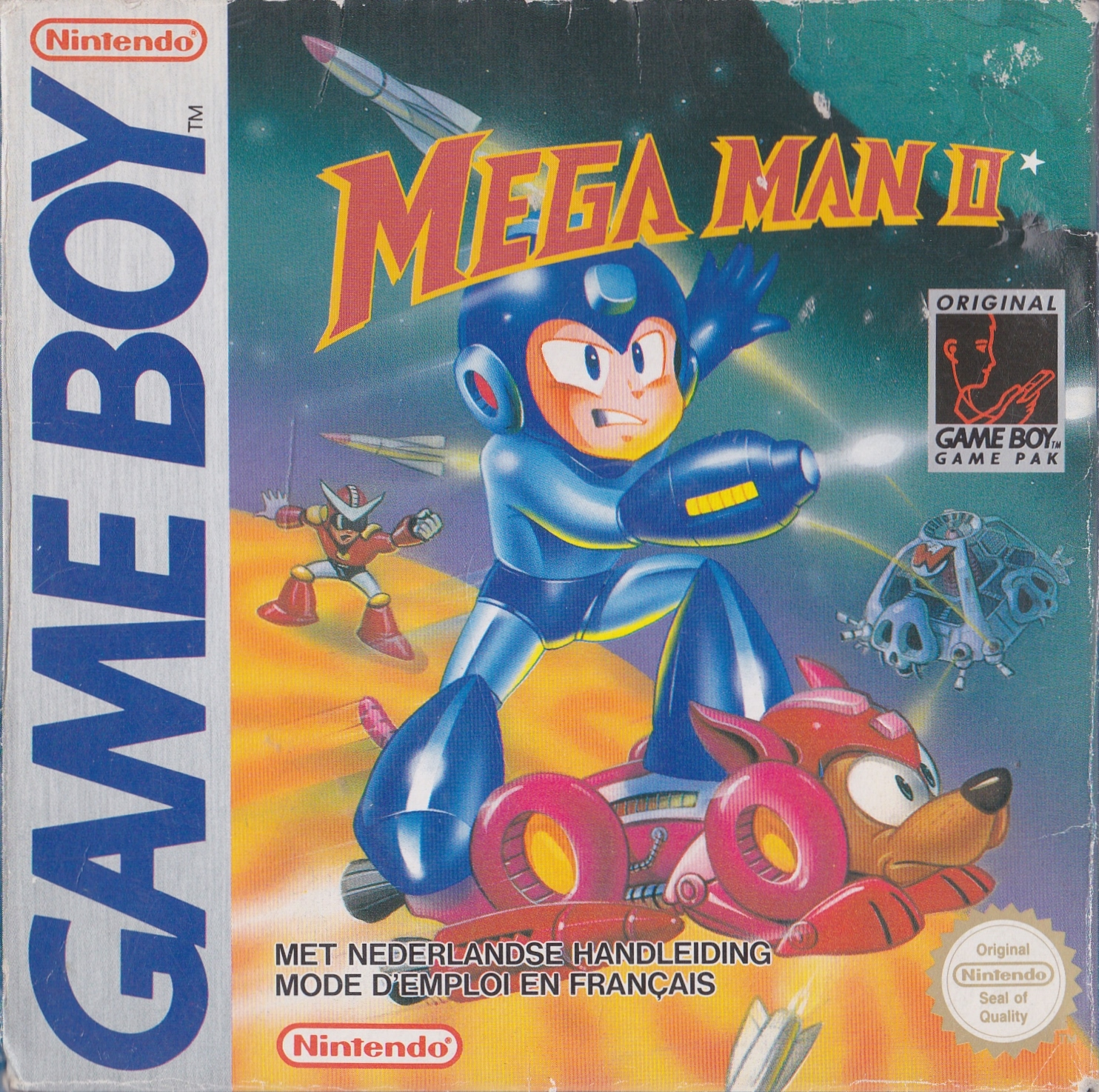
In the Mega Man franchise, including Mega Man II, III, IV, V, and 7, Energy Tanks are collectible items used to fully restore Mega Man's health. In Super Metroid and its homebrew hack Super Metroid Darkholme Hospital, Energy Tanks permanently expand Samus Aran's maximum health capacity by 100 units. These items are vital for survival and are typically hidden throughout the game worlds to reward exploration.
The handheld iterations of the
Mega Man franchise, including
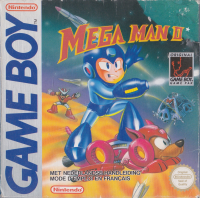
Mega Man II (1992),
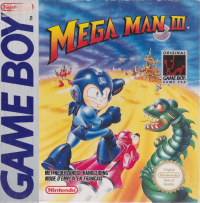
Mega Man III (1993),
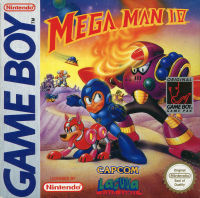
Mega Man IV (1994), and
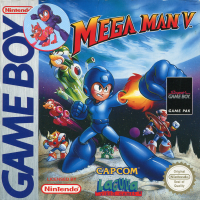
Mega Man V (1994), adapted the inventory system for portable screens, allowing players to hoard these resources for grueling boss rushes. By the release of
Mega Man 7 (1995) on the Super Nintendo, players could actively purchase them from Auto's shop using bolts, shifting the item from a purely found collectible to a manageable currency-based resource.
In
Super Metroid (1994), acquiring one triggers a celebrated musical cue and adds a new visual block to the user interface, a design element that became a staple of the series' progression loop. The placement of these containers dictates the optimal speedrun routes and sequence-breaking techniques. This routing legacy is heavily emphasized in the homebrew hack
Super Metroid Darkholme Hospital (1990), where the redistribution of the tanks forces players to master advanced physics and wall-jumping techniques to survive the modified map layout. Together, these games established the item as a cornerstone of level design and player progression in 1990s action-platformers.