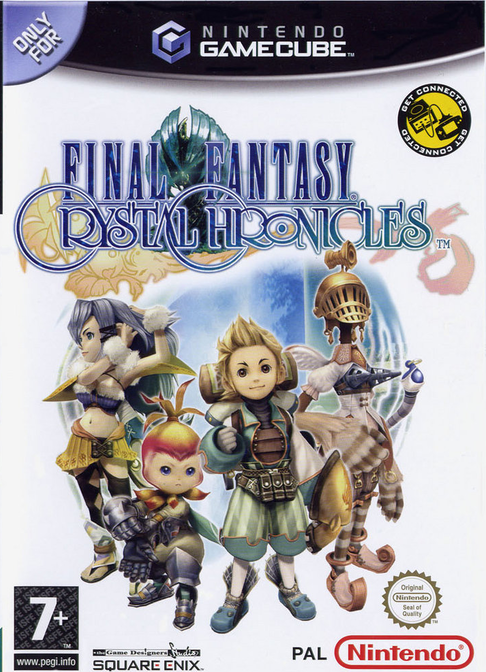
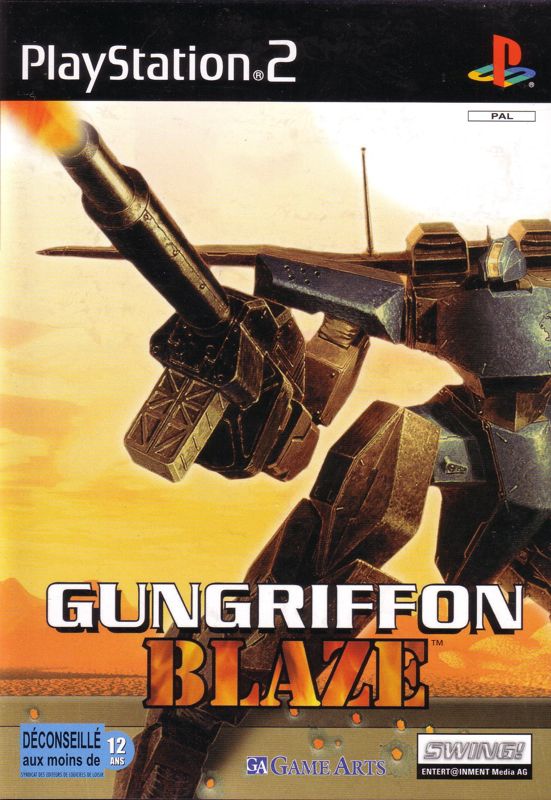
In Bomberman Quest, equipment items grant Bomberman new abilities and power-ups to explore the map. In Gungriffon Blaze, equipment refers to the customizable weapon payloads selected for the AWGS mechs. In Final Fantasy Crystal Chronicles, players craft equipment such as weapons and armor using scrolls and materials to boost their character's stats.
The implementation of these systems across the
Final Fantasy Crystal Chronicles franchise and its associated titles reflects a broader turn-of-the-century shift toward integrating role-playing customization into action genres. In the 1999 Game Boy Color release
Bomberman Quest, the acquisition of gear serves a dual purpose, acting as progression keys to bypass environmental obstacles. This design mirrored contemporary action-adventure trends, shifting the series away from purely arcade-style grid battles.
By 2000,
Gungriffon Blaze adapted this concept for early sixth-generation hardware, requiring players to strategically manage weight limits and tactical loadouts prior to deployment. This mechanical depth was further refined in the 2004 GameCube release
Final Fantasy Crystal Chronicles. In this title, the system is deeply tied to the game's economy and tribal division, as specific gear designs are restricted to certain character races. Players must seek out specialized blacksmiths residing in distinct regional settlements to realize their blueprints, establishing a gameplay loop that encourages exploration and resource management across the high-fantasy setting.