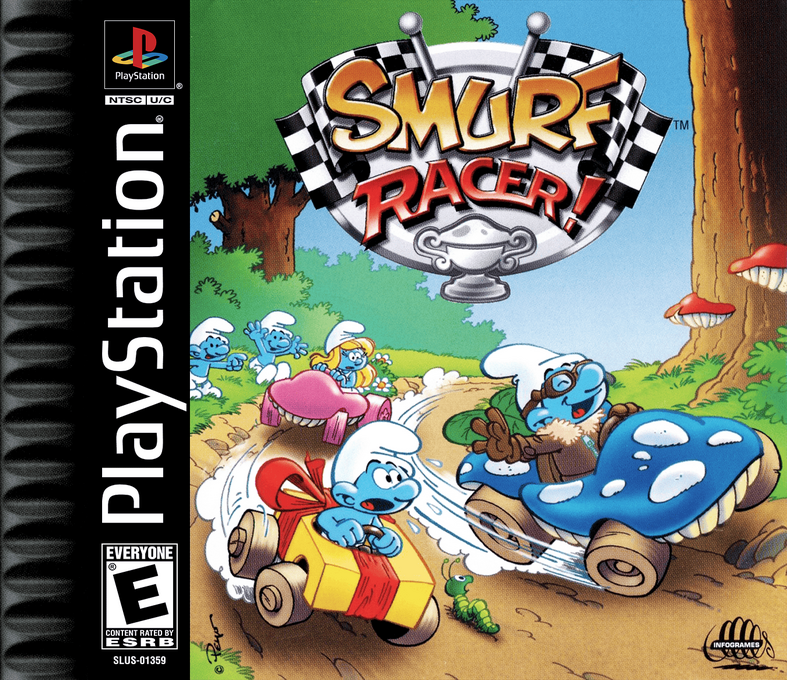
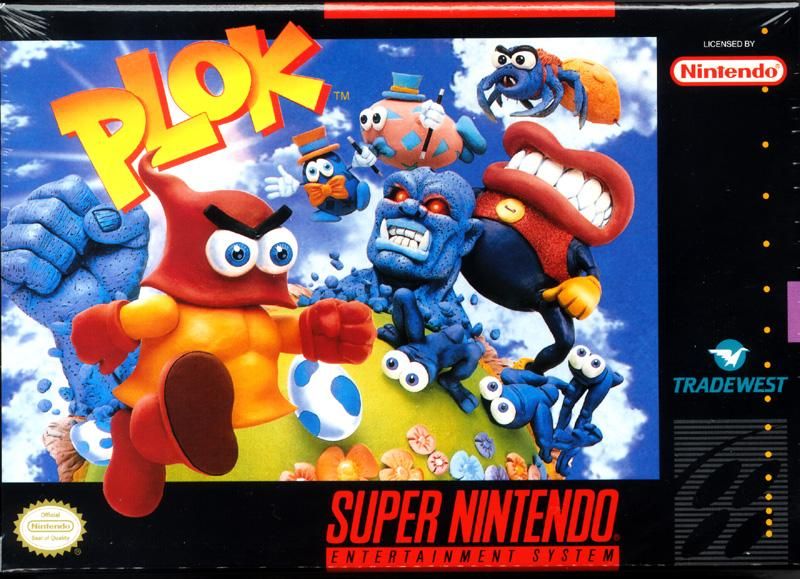
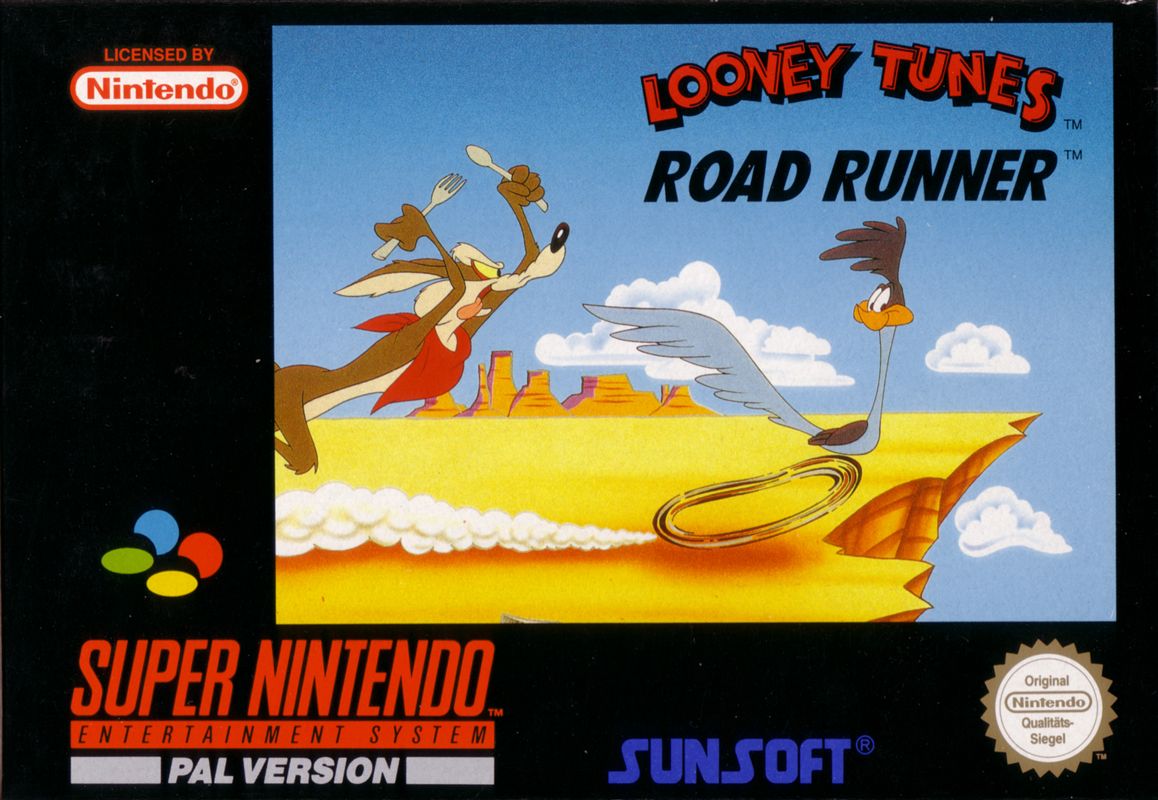
In games like Smartball and Road Runner's Death Valley Rally, flags serve as mid-stage checkpoints that save the player's progress when touched. In Plok, the protagonist hoists his personal flag to claim checkpoints, while in Whizz and Smurf Racer, flags mark progress points or course boundaries.
During the 16-bit era, developers utilized these physical markers to integrate visual feedback directly into level design. In Game Freak's
Smartball, the transition of the flag's color provides immediate visual confirmation within the game's vibrant, jelly-themed environments. For
Road Runner's Death Valley Rally, the asset design aligns with the Warner Bros. cartoon aesthetic, utilizing spinning animations that fit the frantic pacing of the Looney Tunes license.
The mechanic evolved further in
Plok, where the flag is not merely a passive marker but an interactive element of the narrative and gameplay. The Flea enemies can actively steal Plok's flag, forcing players to clear the area to secure their respawn point. In the isometric perspective of
Whizz, the placement of these markers assists players with spatial orientation and depth perception on the Mode 7-style playfield. By the release of
Smurf Racer on fifth-generation consoles, the transition to 3D environments saw these items adapted into spatial markers that define the physical limits of the racing tracks, guiding players through the Smurf-themed courses.
.png)
.png)





.png)
.png)