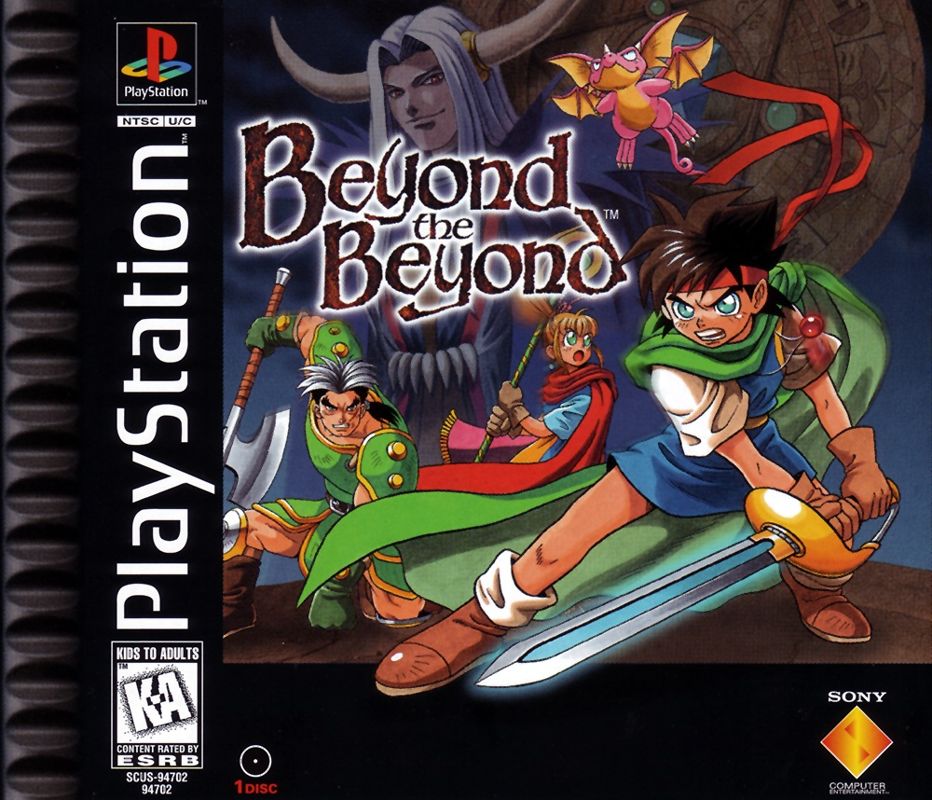
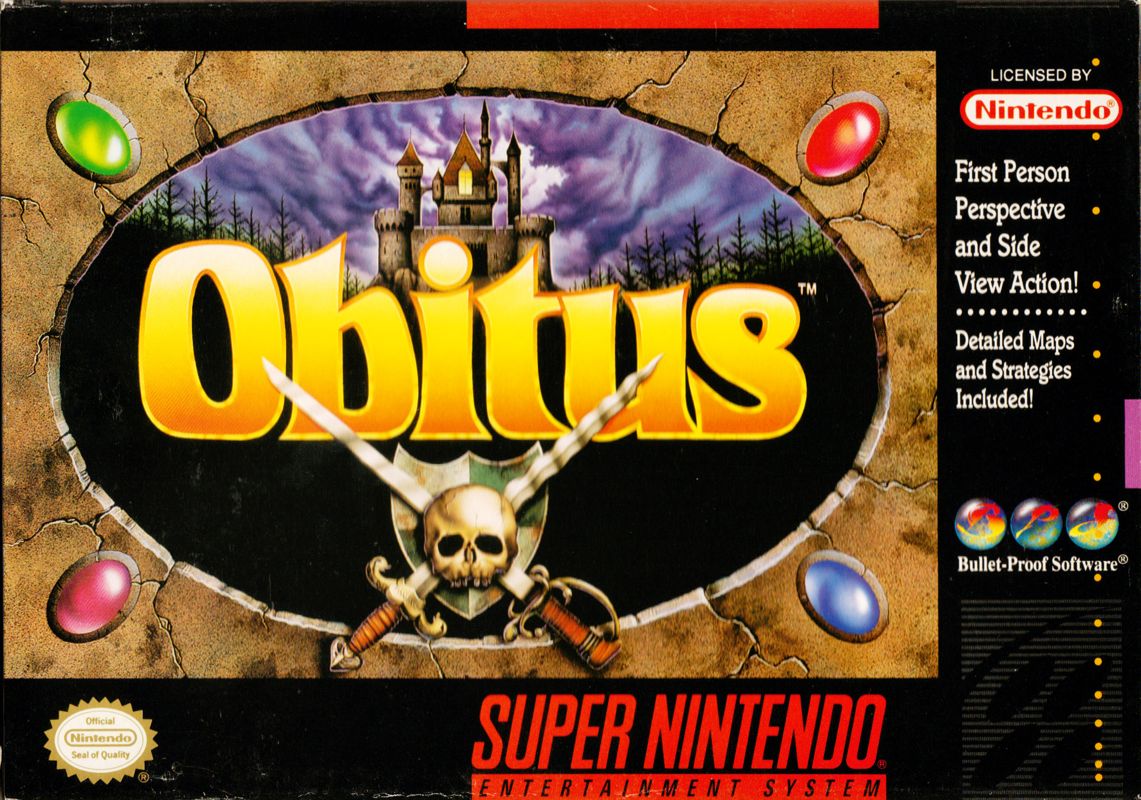
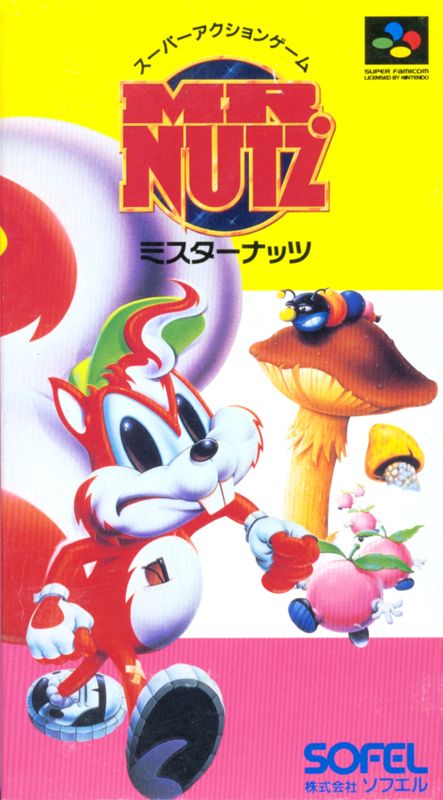
In the platformer Mr. Nutz (1994), flasks serve as collectible items, while in the RPG Obitus (1994), they hold essential liquids for survival. In Beyond the Beyond (1996), the Empty Flask is a key quest item used to collect healing water from shrines. In the adventure game Gold and Glory: The Road to El Dorado (2000), flasks are utilized as inventory puzzle-solving tools to transport liquids.
During the 16-bit and early 32-bit eras, developers utilized these vessels to bridge the gap between simple arcade mechanics and complex narrative progression. In
Mr. Nutz, these items are scattered across vibrant, side-scrolling levels, rewarding thorough exploration and contributing to the player's final high score. This arcade-style point accumulation contrasts with the tense resource management of
Obitus, where players must constantly monitor their inventory weight and consumption rates to prevent dehydration and death in a hostile, labyrinthine world.
As game design shifted toward narrative-driven experiences, the item evolved into a catalyst for story progression. In
Beyond the Beyond, the vessel serves as an early-game gatekeeper, requiring players to navigate dangerous dungeons to reach the sacred spring, establishing the game's traditional high-fantasy quest structure. Similarly, in
Gold and Glory: The Road to El Dorado, the item showcases the cinematic puzzle design of Revolution Software, requiring players to observe environmental clues and combine items within a 3D space. Across these diverse genres, the container represents a fundamental design tool used to pace gameplay, reward exploration, and gate player progress.