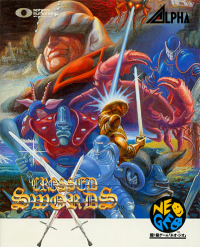
In beat-'em-up titles like Final Fight, Final Fight Guy, and Final Fight 3, the Gold Bar is a valuable pickup found in breakable containers that awards a large point bonus. It also serves as a collectible treasure or currency in action-adventure and platforming games such as Crossed Swords, Brandish, and Pitfall 3D.
Originating as a high-tier reward in early 1990s Capcom releases, this item became a staple across several interconnected intellectual properties, including the Final Fight, Samurai Warriors, and Crossed Swords franchises. In the SNES port of
Final Fight (1991) and its rental-exclusive update
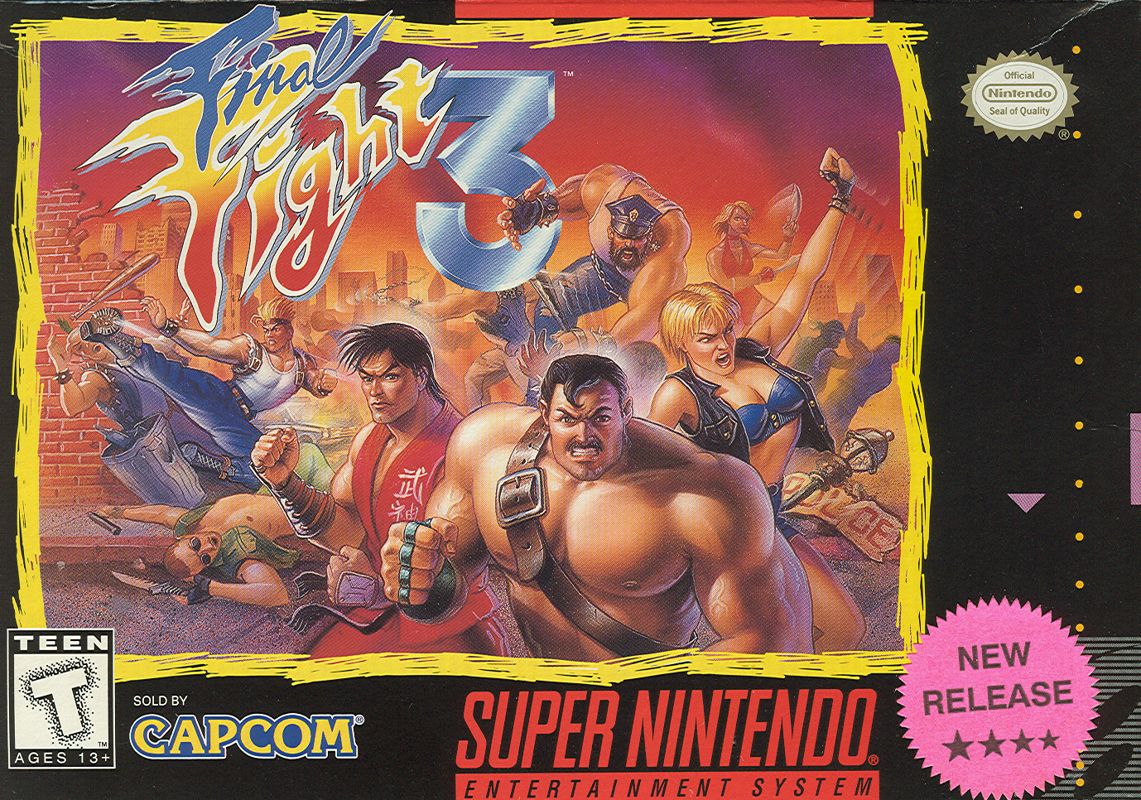
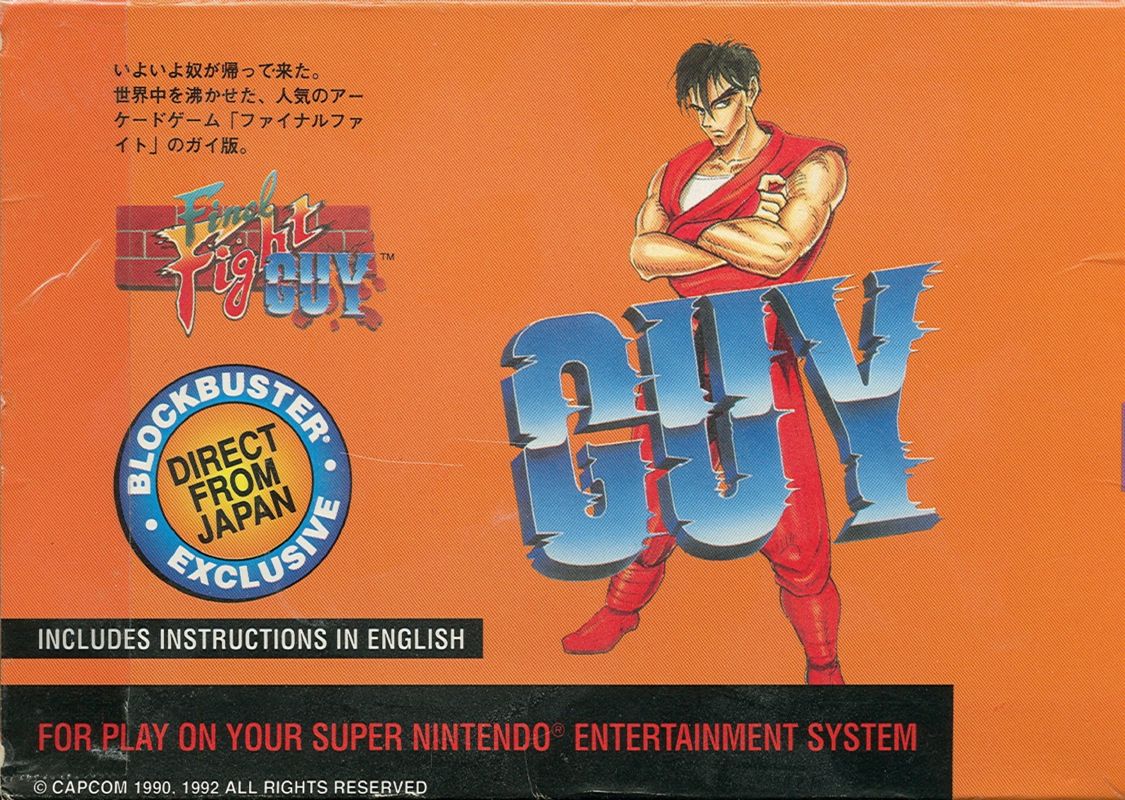
Final Fight Guy [Blockbuster Exclusive] (1994), players navigate Metro City's dangerous streets, uncovering these heavy bullion blocks to maximize high scores. This scoring mechanic persisted into
Final Fight 3 (1996), solidifying the item's association with urban vigilante justice.
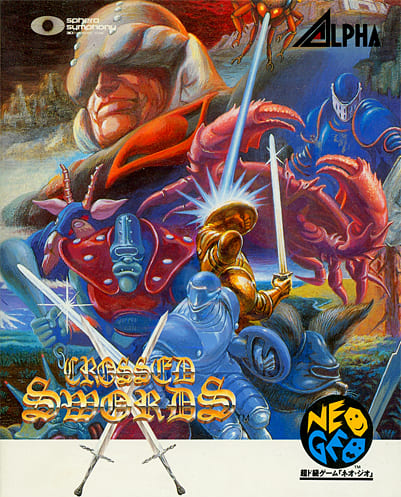
Simultaneously, SNK integrated the item into the dark fantasy setting of
Crossed Swords (1993), where it transitioned from a simple score booster into a crucial resource for purchasing upgraded weaponry. Capcom's NES release
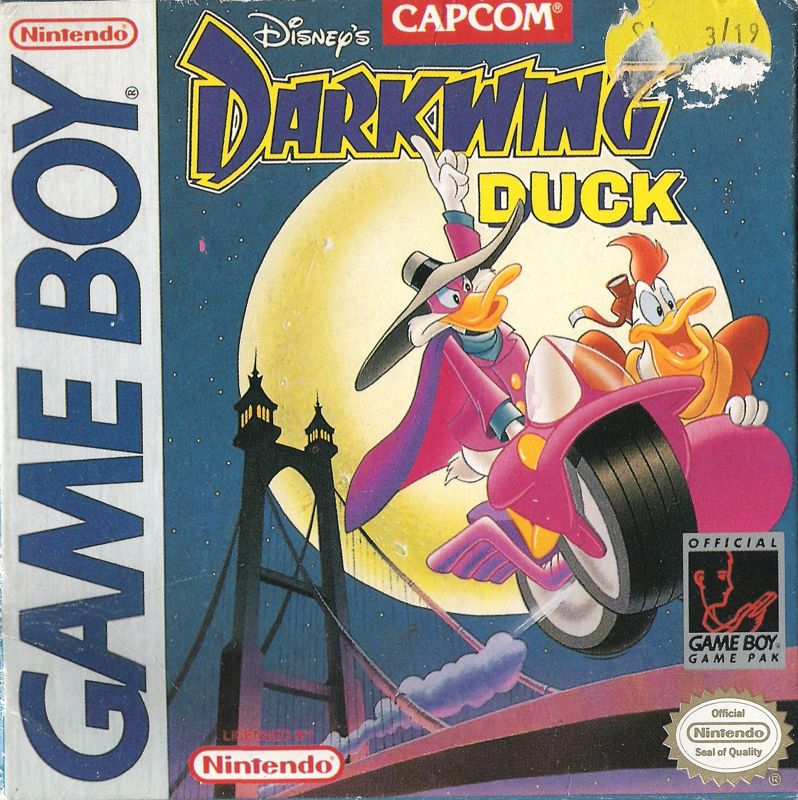
Darkwing Duck (1993) and Koei Tecmo's adjacent historical action spheres also adopted the icon to reward thorough exploration. By the late 1990s, the item transitioned into three-dimensional environments. In
Brandish (1995),
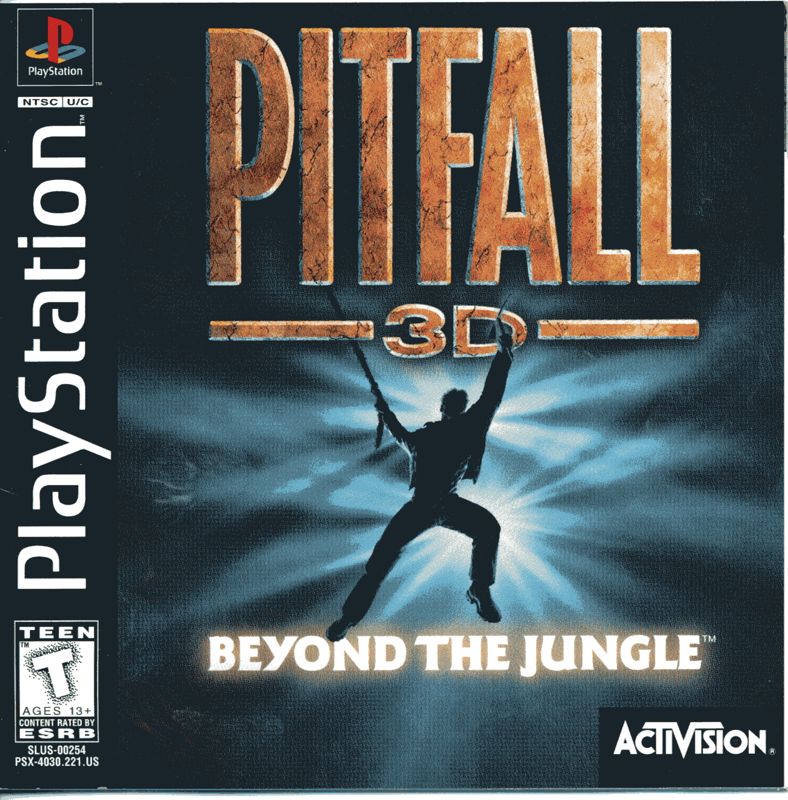
Pitfall 3D (1998), and
Pitfall Beyond the Jungle (1999), the gleaming bars served as primary incentives for players navigating complex, hazard-filled dungeons and ancient ruins, bridging the gap between classic arcade scoring systems and modern adventure progression.
.png)








.png)