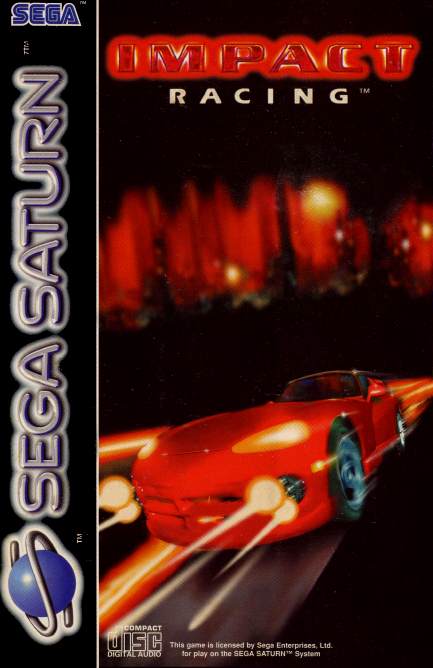
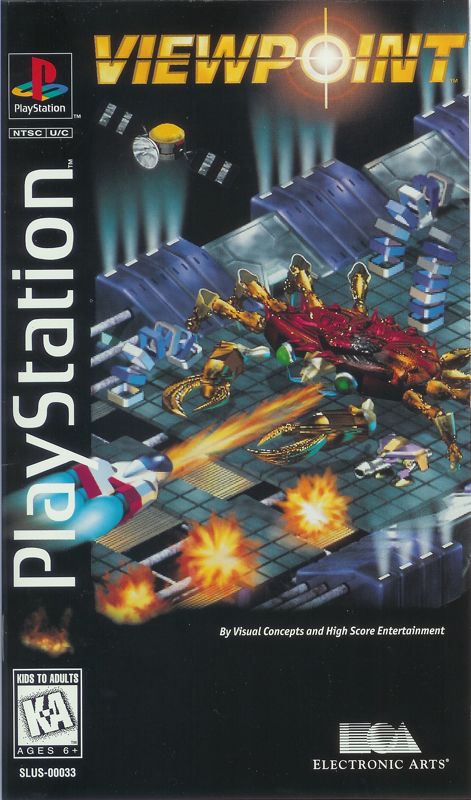
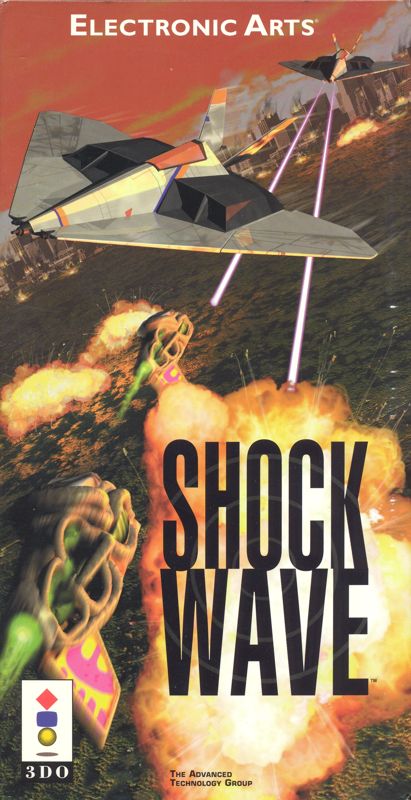
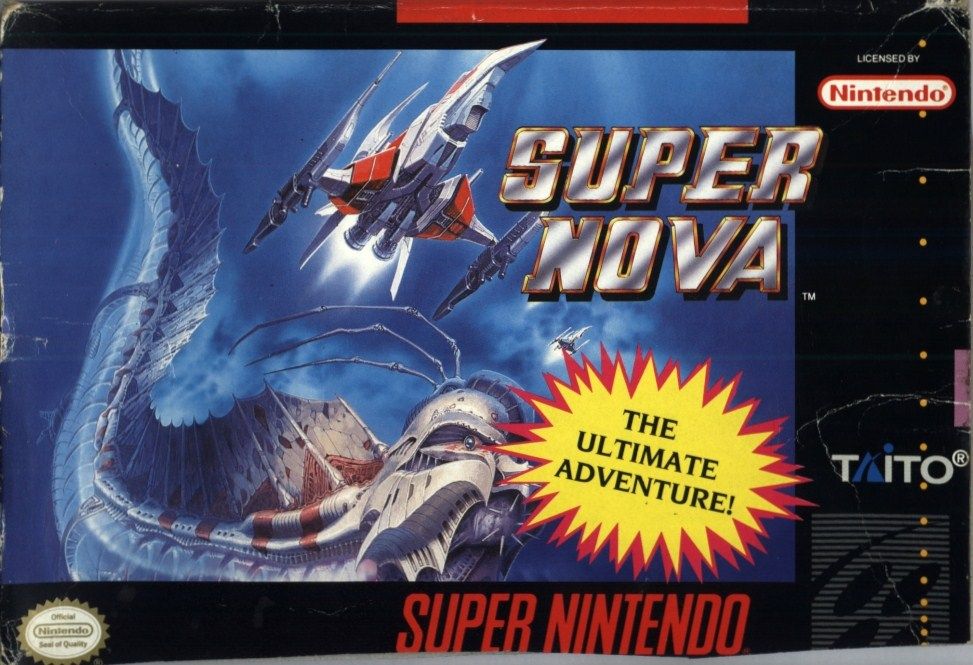
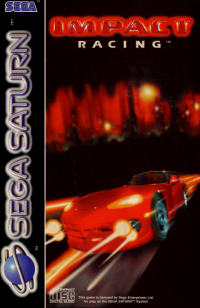
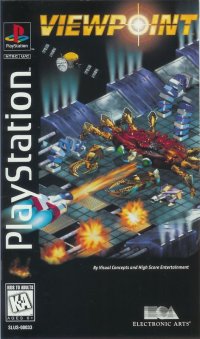
Lasers serve as a primary offensive armament in classic titles like Bermuda Triangle (1982) and Beamrider (1984). The weapon also appears as a key combat mechanic or upgrade in later releases including Super Nova (1993), Shock Wave (1994), Viewpoint (1995), and Impact Racing (1996). Across these titles, they function as high-velocity energy beams designed to clear obstacles and defeat opponents.
Within the
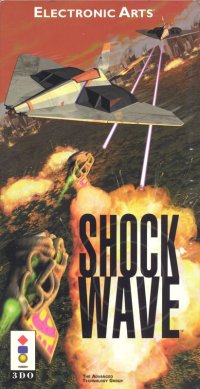
Shock Wave franchise, the implementation of laser technology evolved alongside advancements in hardware graphics and game design. Early iterations in
Bermuda Triangle required players to monitor energy consumption, as continuous firing drained the ship's power reserves. In
Beamrider, the mechanic was constrained by the game's unique grid structure, limiting laser trajectories to vertical columns and forcing strategic positioning.
As the franchise transitioned into three dimensions,
Super Nova and
Shock Wave introduced sophisticated targeting reticles and heat-dispersion mechanics, penalizing rapid, uncalculated firing with temporary weapon shutdowns. The isometric perspective of
Viewpoint expanded the utility of the weapon by introducing a charge meter, allowing players to trade rapid-fire capability for a singular, screen-clearing beam. By the release of
Impact Racing, lasers transitioned from aerospace combat to ground-based vehicular warfare, where they functioned as customizable external attachments. This progression reflects a broader shift in the franchise from simple reflex-based shooting to complex resource management and tactical loadout customization.
.png)
 (En,Fr,De,Es,It).png)
.png)
.png)

.png)




 (En,Fr,De,Es,It).png)

.png)

.png)