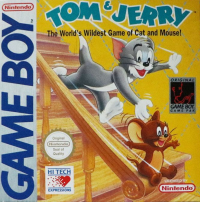
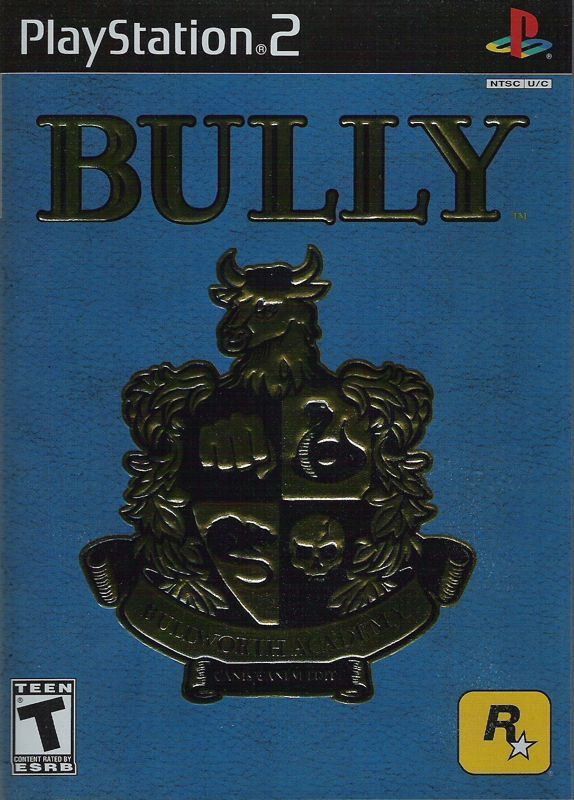
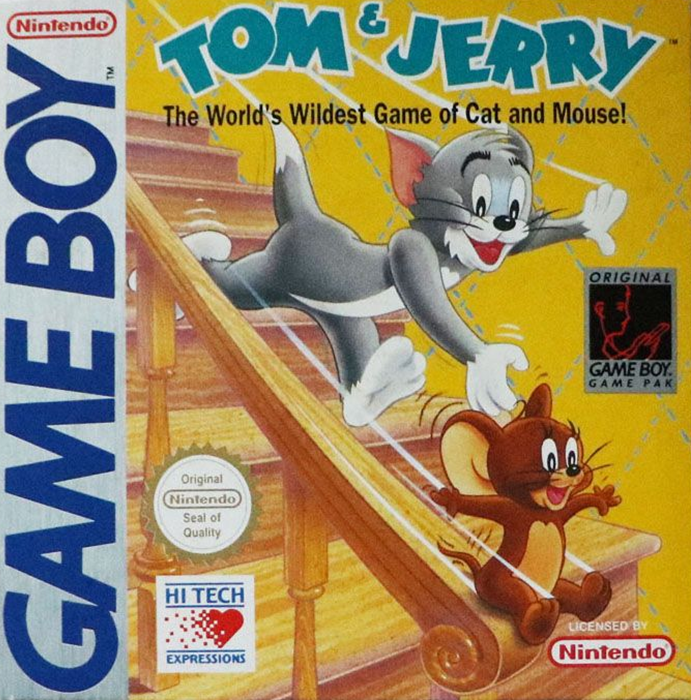
In retro platformers like Hook (1992) and Tom & Jerry (1992), marbles are used as defensive items to trip up pursuing enemies. This classic prank mechanic is also featured in Tom and Jerry (2000) and as a stealth and distraction weapon in Canis Canem Edit (2006).
The digital depiction of marbles draws heavily from mid-twentieth-century slapstick comedy, particularly the theatrical animated shorts produced by Metro-Goldwyn-Mayer. In the
Tom and Jerry franchise, these items represent the domestic, everyday hazards used in the ongoing conflict between the titular cat and mouse. For the 1992 NES and Game Boy adaptations of
Tom & Jerry, developers integrated marbles into the level design as collectible ammunition, reflecting the physics-based gag humor of the original cartoons.
This design philosophy carried over into
Hook, where the item aligned with the mischievous, youthful nature of the Lost Boys. By the release of
Tom and Jerry on the Game Boy Color in 2000, the item's role had transitioned into isometric and 2.5D environments, requiring more precise spatial placement from the player. In
Canis Canem Edit, the item transitioned into a fully 3D open-world environment. Here, players acquire them in bulk from comic book shops or school lockers, utilizing them to disrupt non-player character AI pathways. This evolution highlights how a simple, physics-based cartoon trope adapted across 8-bit, 16-bit, and modern 3D gameplay engines.