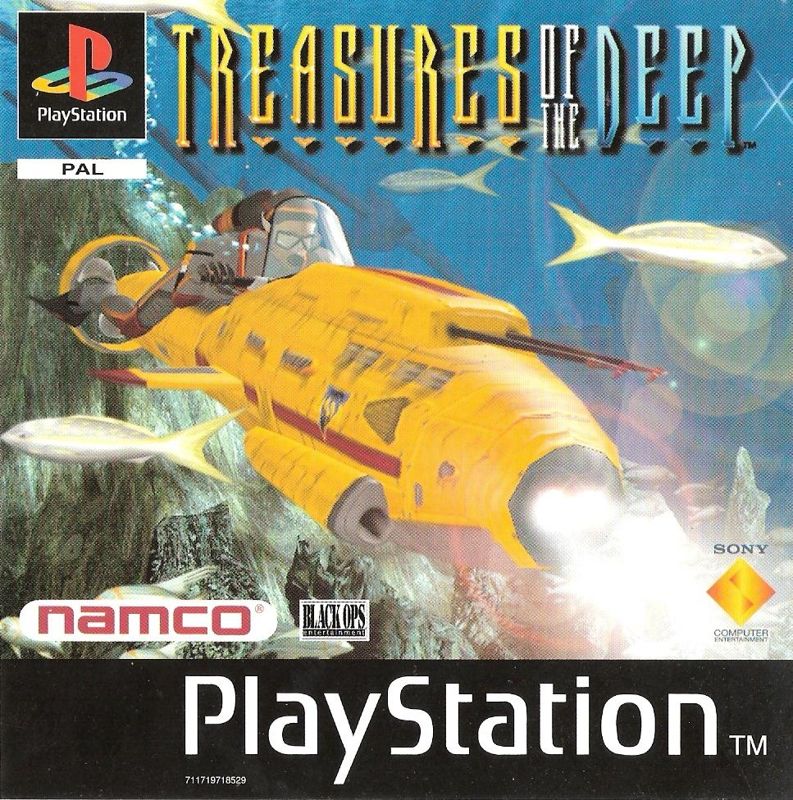
In these specific retro titles, the Medkit serves as a vital collectible that restores the player's health or armor. In Duke Nukem Total Meltdown and Time to Kill, it heals the protagonist's health bar, while in the Army Men series, it repairs the plastic soldiers. In the underwater action game Treasures of the Deep, it is used to restore the structural integrity of the player's diving suits and submersibles.
Across these late 1990s and early 2000s releases, the deployment and mechanics of the medkit reflected a transitional era in action game design. In
Duke Nukem Total Meltdown and
Duke Nukem Time to Kill, the item functions as a portable inventory asset, allowing players to carry a health reserve and manually trigger recovery during intense firefights. This inventory-based mechanic contrasts with the instant-use pickups found in the
Army Men series. In
Army Men Sarge's Heroes 2 and
Army Men World War Final Front, these items are strategically placed within oversized real-world environments, such as kitchen counters and backyards, requiring players to navigate platforming hazards to secure them.
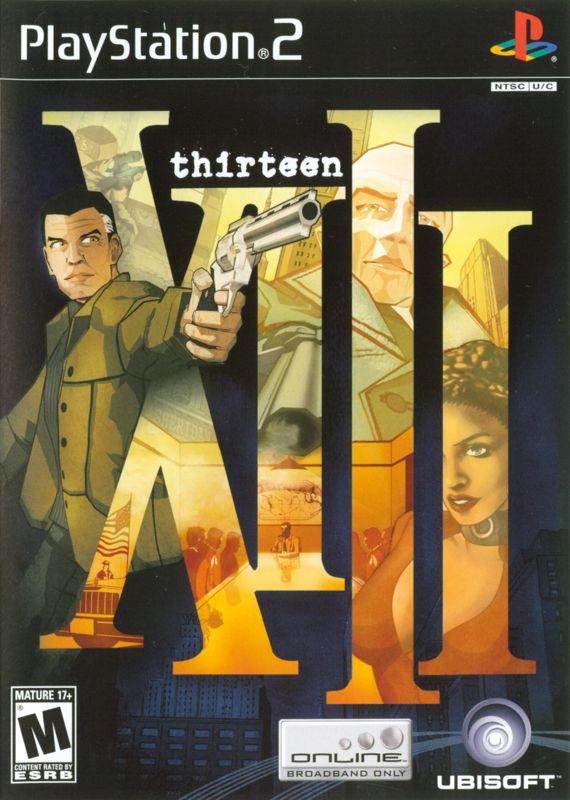
The cel-shaded first-person shooter
XIII utilizes a similar inventory system, where players can carry multiple medkits simultaneously, requiring tactical conservation during stealth and assault missions. Meanwhile,
Treasures of the Deep integrates the item into its underwater economy, where players must balance the cost of purchasing repairs against salvage rewards. Visually, these items typically adopt the classic white-and-red medical chest iconography, serving as universally recognizable UI elements across diverse genre formats, from third-person platformers to aquatic simulators.




.png)
.png)
.png)
_1.png)
.png)
.png)
_1.png)
.png)