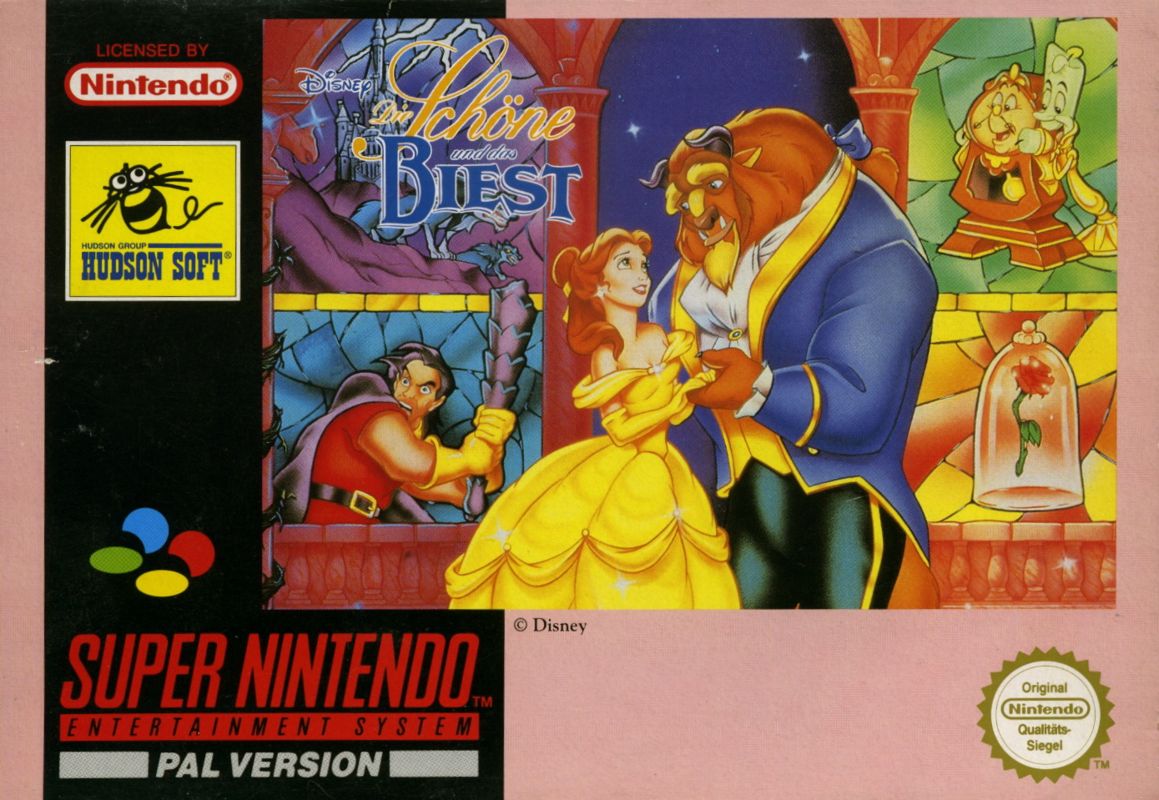
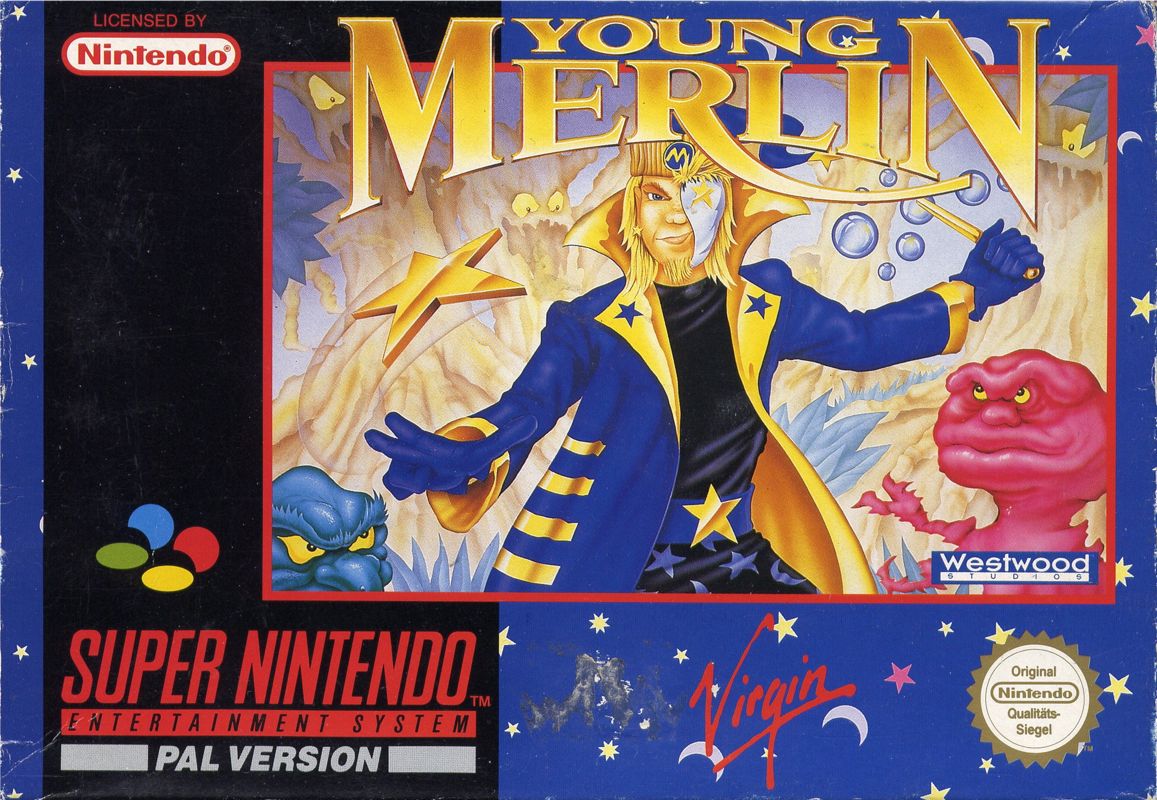
In the 1994 game Beauty and the Beast, the Magic Mirror serves as a crucial tool for viewing distant areas. The item also appears as a puzzle-solving tool or interactive object in other titles such as Young Merlin (1994), Pieces (1994), 007 James Bond (1998), and Disney Pixar Up (2009).
Originating from the narrative lore of the Disney animated feature, this enchanted object bridges the gap between cinematic storytelling and interactive gameplay. In the SNES title
Beauty and the Beast, the item embodies the Beast's connection to Belle, anchoring the game's emotional stakes and guiding players through the castle's challenges. Westwood Studios integrated a similar mystical mirror into
Young Merlin to complement the game's high-fantasy aesthetic and inventory-based progression.
The item's utility extends to competitive formats, such as in the puzzle game
Pieces, where it alters the playing field during real-time matches. Handheld and action-adventure adaptations also leverage the concept; the Game Boy release of
007 James Bond and the cinematic tie-in
Disney Pixar Up employ the object to facilitate environmental navigation and secret detection. By translating a classic fairy tale motif into diverse mechanical functions—ranging from status tracking to stage manipulation—these releases established the mirror as a versatile tool across different genres, reflecting the evolving design trends of licensed video games throughout the 1990s and 2000s.
 (SGB Enhanced).png)
.png)

.png)





 (SGB Enhanced).png)
