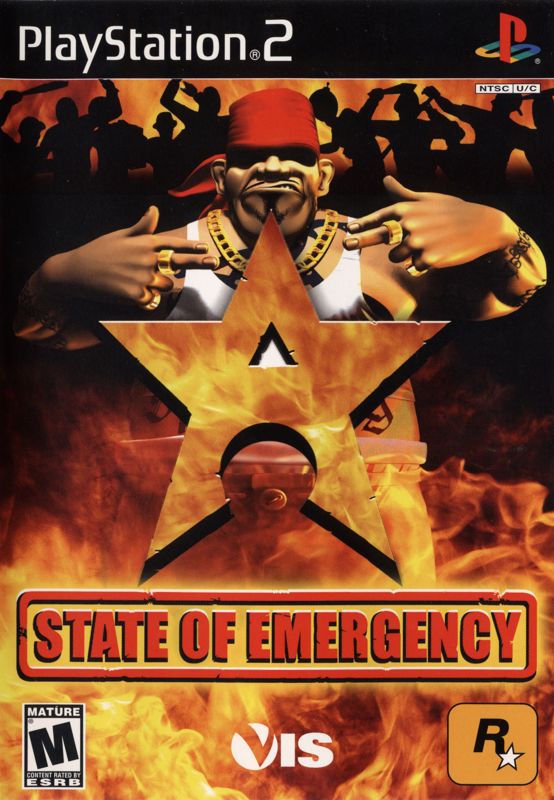
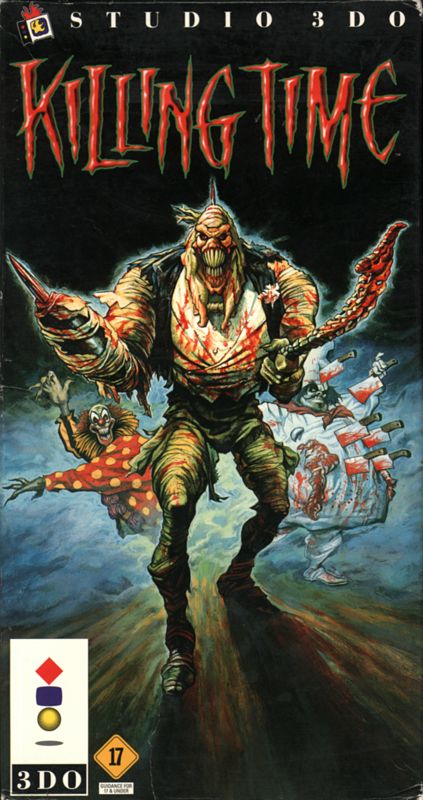
In the 1995 horror shooter Killing Time, Molotov cocktails serve as a throwable weapon to burn supernatural enemies. They also appear as usable street weapons in the 1997 beat-'em-up The Crow: City of Angels and the 2002 riot-simulation game State of Emergency. Across these titles, the weapon is used to create localized fire hazards that damage multiple targets over time.
In the parent title
Killing Time, players discover these incendiary devices hidden within the secret passages and outdoor courtyards of the Tessera estate. Finding them often requires solving environmental puzzles, and their limited ammunition count forces players to conserve them for high-threat encounters. The visual design relies on digitized sprite graphics, depicting a realistic glass bottle with a burning rag.
When the franchise transitioned to
The Crow: City of Angels, the weapon's role adapted to a side-scrolling perspective. Players acquire the bottles by smashing crates or disarming specific punk enemies. The item acts as a crucial crowd-control tool in tight alleyways, instantly clearing paths through aggressive groups.
With
State of Emergency, the weapon utilized the RenderWare engine to simulate chaotic urban environments. Here, players can pick up the bottles from the pavement during riots or obtain them from tactical supply crates. The physics engine allows the thrown bottles to shatter realistically against walls and vehicles, spreading panic among dense crowds of civilian and corporate security agents. This evolution reflects the franchise's shift from atmospheric horror resource management to high-action environmental destruction.
_1.png)

_1.png)


