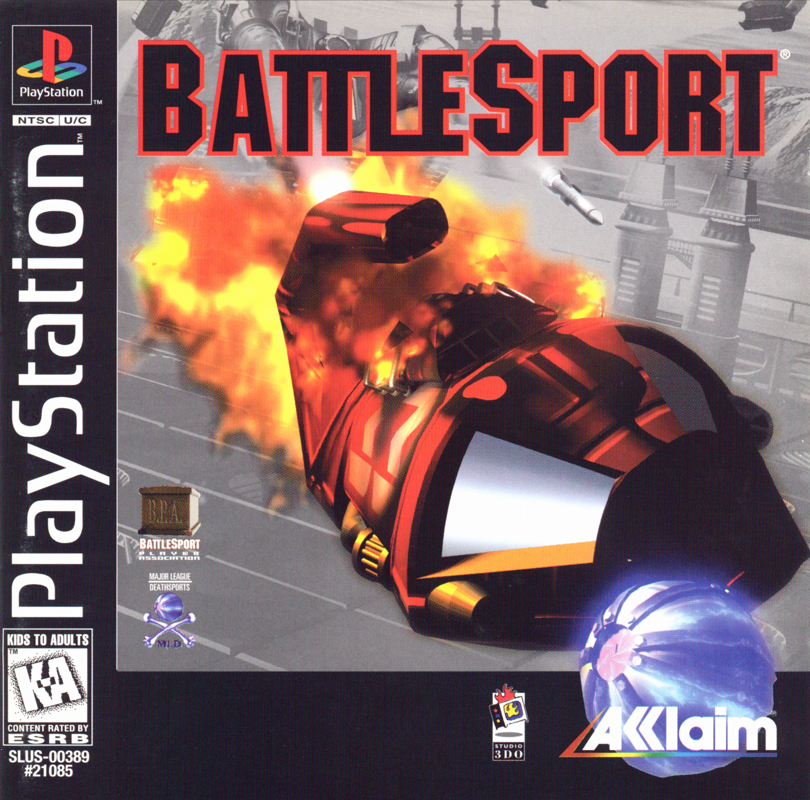
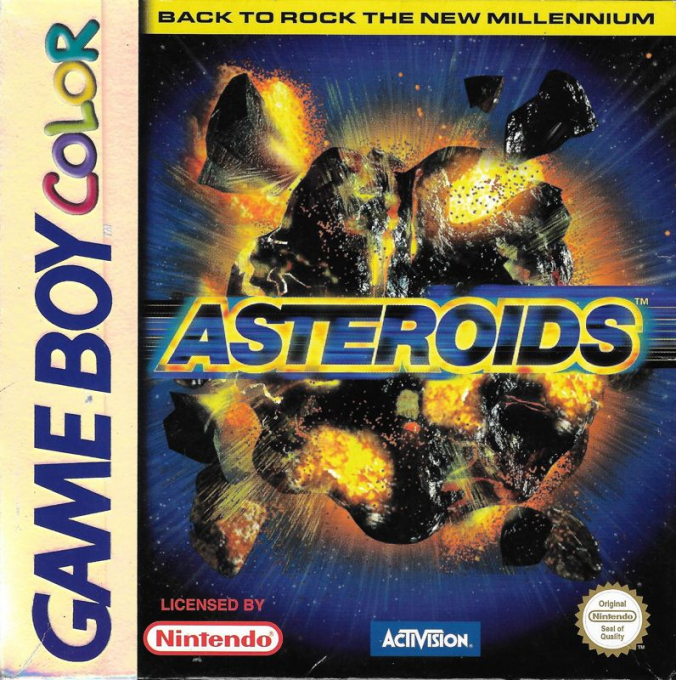
In the 1997 futuristic sports game Battlesport, collecting this item grants players a random weapon or utility. In the 1999 remake of Asteroids, the mystery item provides unpredictable ship upgrades or hazards. In the 2000 Game Boy Color title Jim Henson's Muppets, it serves as a random item box to assist players during gameplay.
During the late 1990s and early 2000s, developers increasingly utilized randomized mechanics to enhance replayability and introduce risk-reward dynamics. In
Battlesport, developed by Cyclone Studios and published by The 3DO Company, these icons appear dynamically across the futuristic arenas, forcing pilots to adapt their strategies instantly based on the acquired payload. This mechanic shifted the competitive meta of the game's hover-tank matches away from predictable weapon spawns.
For the 1999 reimagining of
Asteroids, developed by Syrox Developments, the inclusion of the shifting "?" icon modernized the classic arcade formula. By introducing negative outcomes alongside positive ones, the developers created a tense psychological element, as players navigating dense debris fields had to split-second calculate whether to retrieve the drifting icon.
In the handheld platformer
Jim Henson's Muppets, developed by Digital Eclipse for the Game Boy Color, the item aligns with classic side-scrolling design tropes of the era. Positioned throughout various movie-themed stages, these physical containers require players to navigate environmental hazards to reach them, adding a layer of exploration to the character-focused gameplay. Together, these titles demonstrate how a unified visual shorthand—the question mark—was adapted across diverse genres to govern probability-based mechanics.