In vehicular combat and racing titles like Re-Volt, Dead in the Water, and Cartoon Network Racing, the Oil Slick serves as a defensive weapon deployed from the rear of the player's vehicle. It is famously associated with the Spy Hunter franchise, where it acts as a signature countermeasure to disable pursuing enemy vehicles. When run over by opponents in games like Hot Wheels Extreme Racing, the slick temporarily compromises traction and steering control.
Originating in early arcade design, the hazard became a staple of tactical driving mechanics following its prominent inclusion in the original 1983
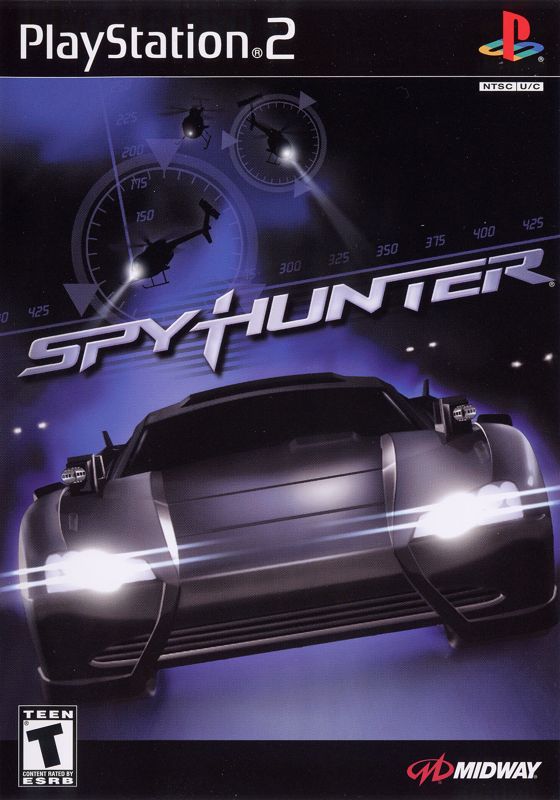
Spy Hunter arcade cabinet. As the franchise transitioned to 3D with
Spy Hunter (2000), the G-6155 Interceptor's weapon systems modernized the visual presentation of the fluid, rendering it with realistic reflective properties that matched the era's hardware advancements.
Development teams adapted this mechanic across diverse engines at the turn of the millennium. In the radio-controlled racing of
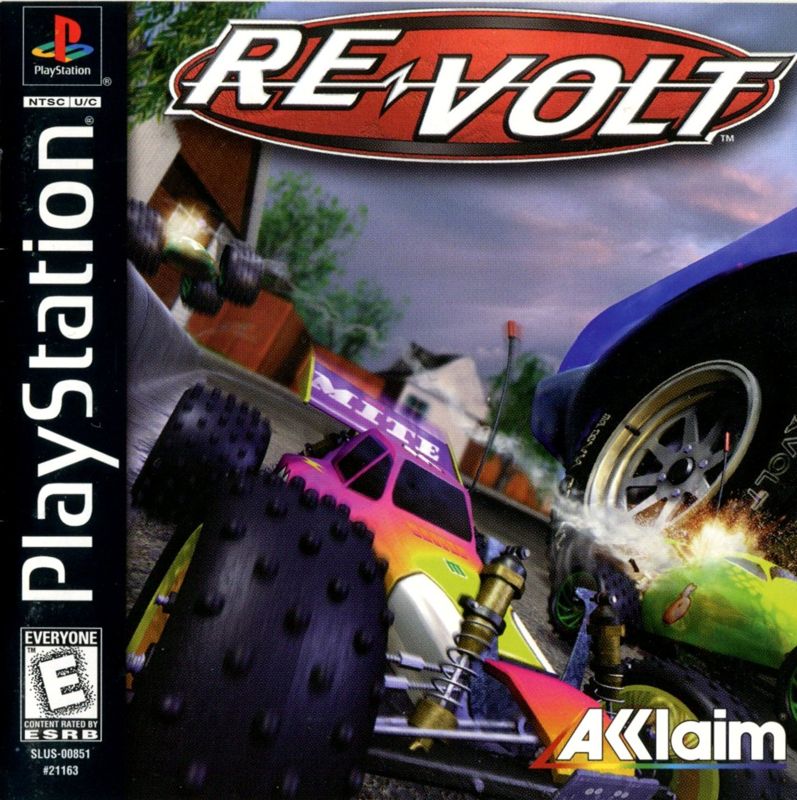
Re-Volt (1999), the hazard is visualized as a discarded oil bottle that spills across scaled-down environments. For the aquatic combat of
Dead in the Water (1999), developers modified the physics to simulate floating surface slicks on water, demonstrating the item's adaptability beyond traditional asphalt. In
Cartoon Network Racing (2000) and
Hot Wheels Extreme Racing (2001), the item serves as a primary tool for disrupting high-speed AI paths, requiring precise placement near narrow chokepoints and corners to maximize its strategic utility. This era established the hazard as a fundamental design trope for balancing multiplayer racing dynamics.
.png)
.png)
.png)


.png)
.png)