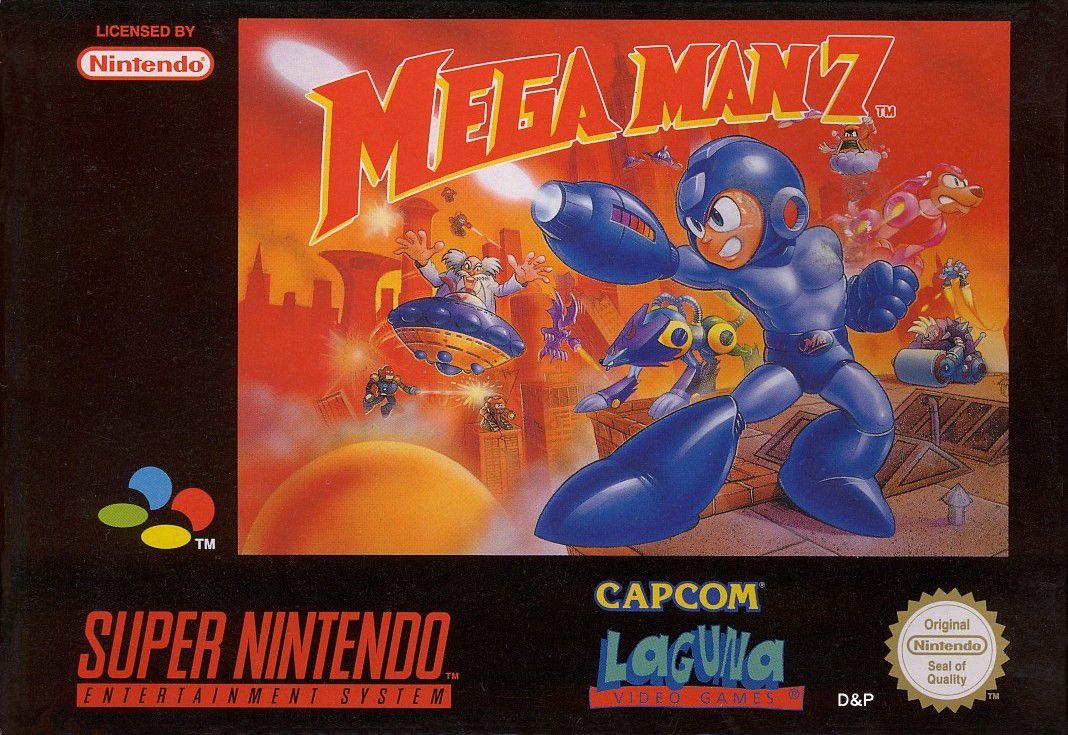
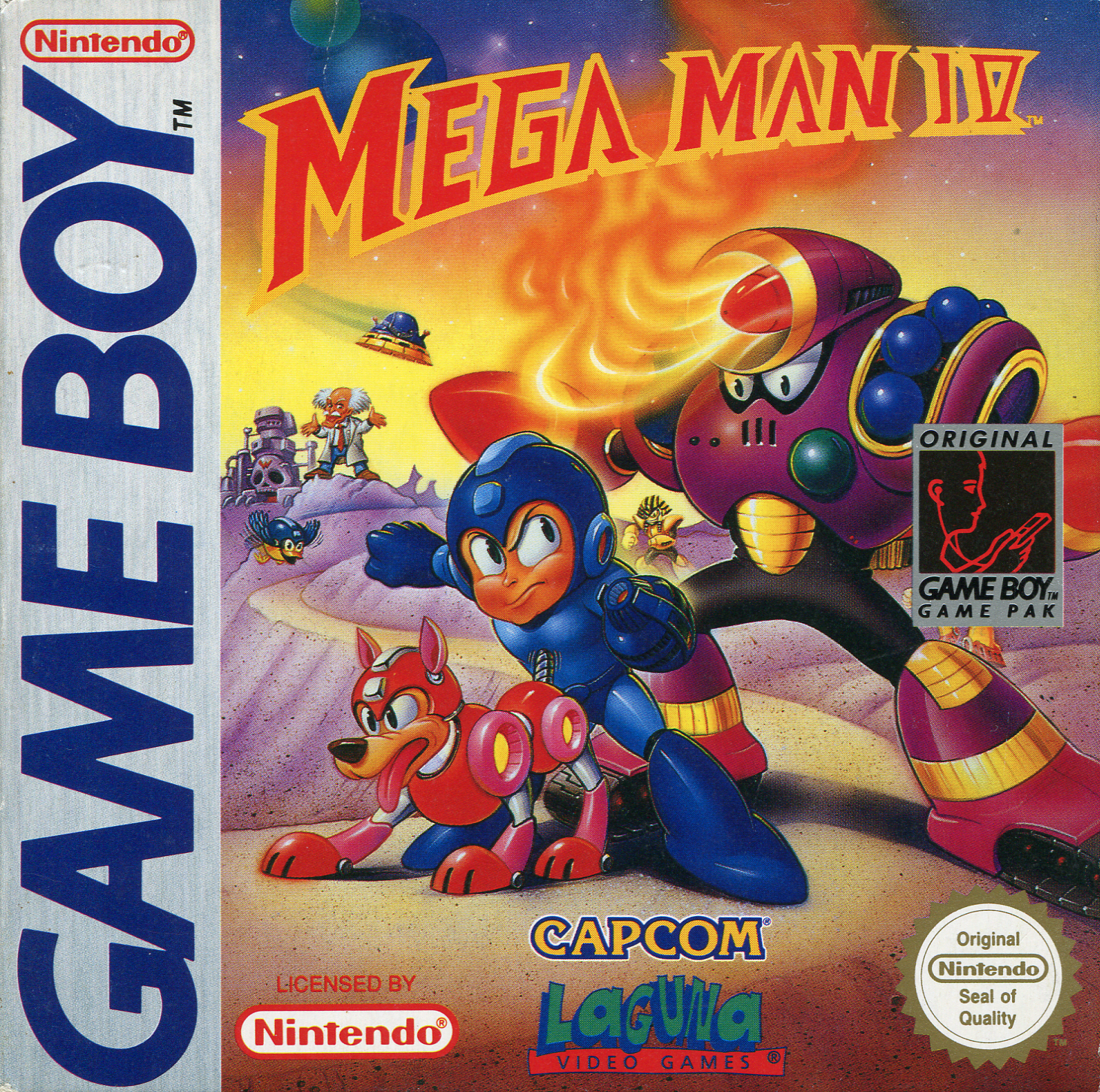
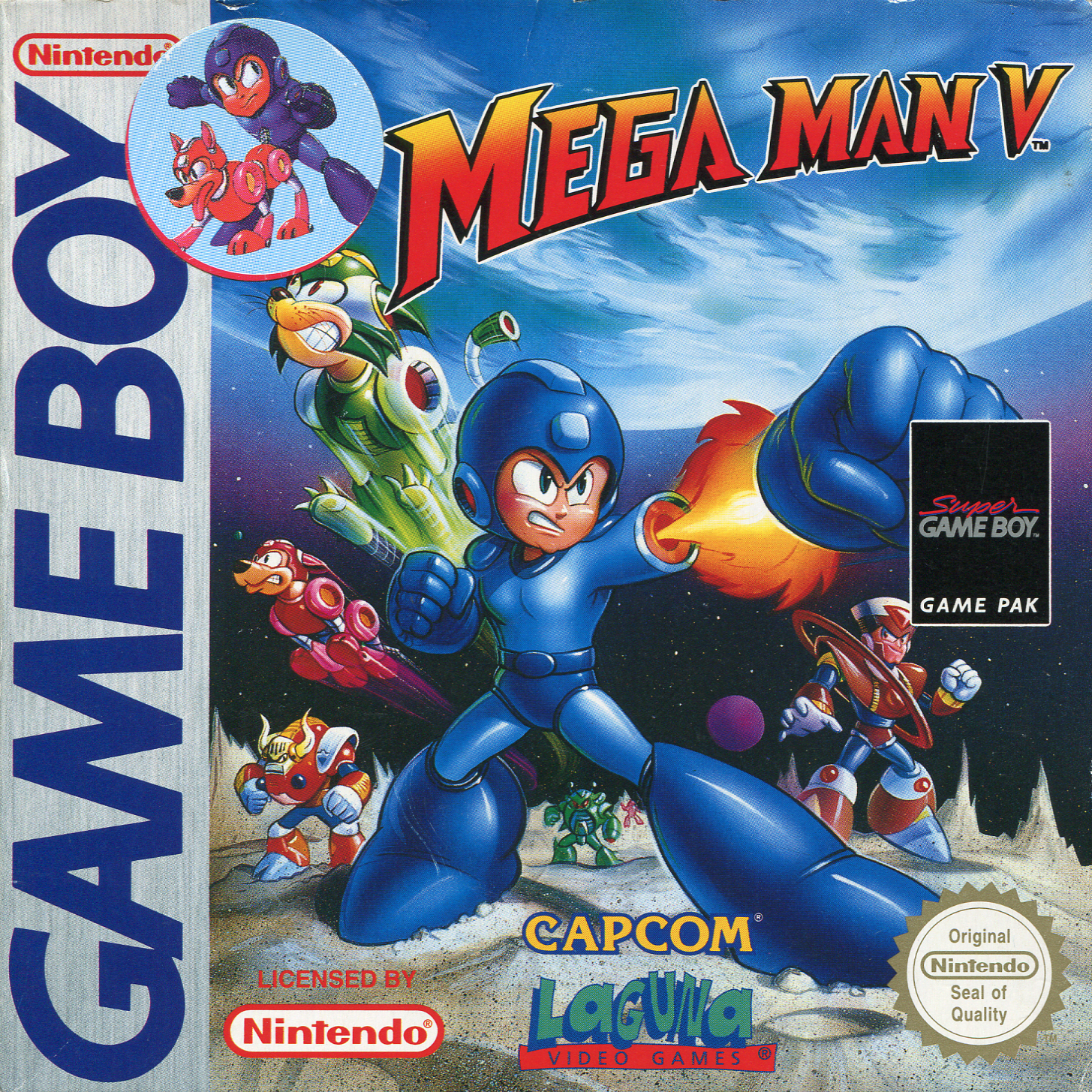
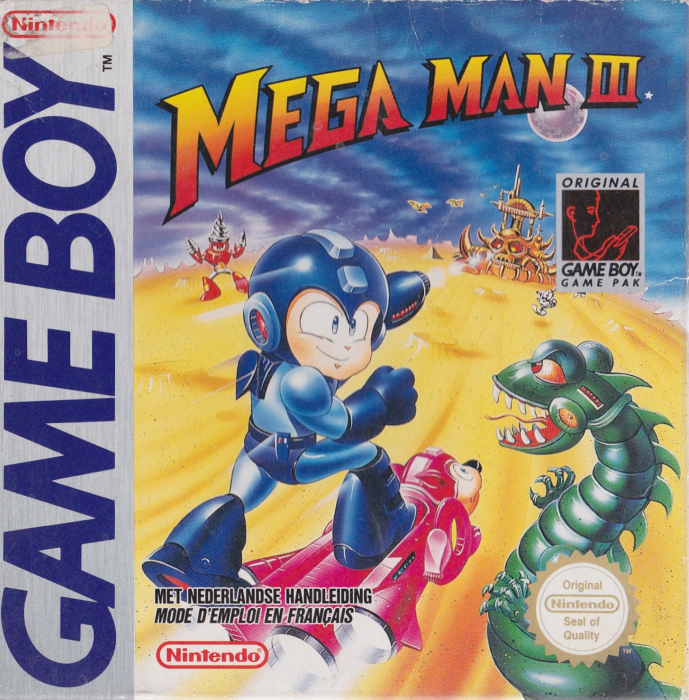
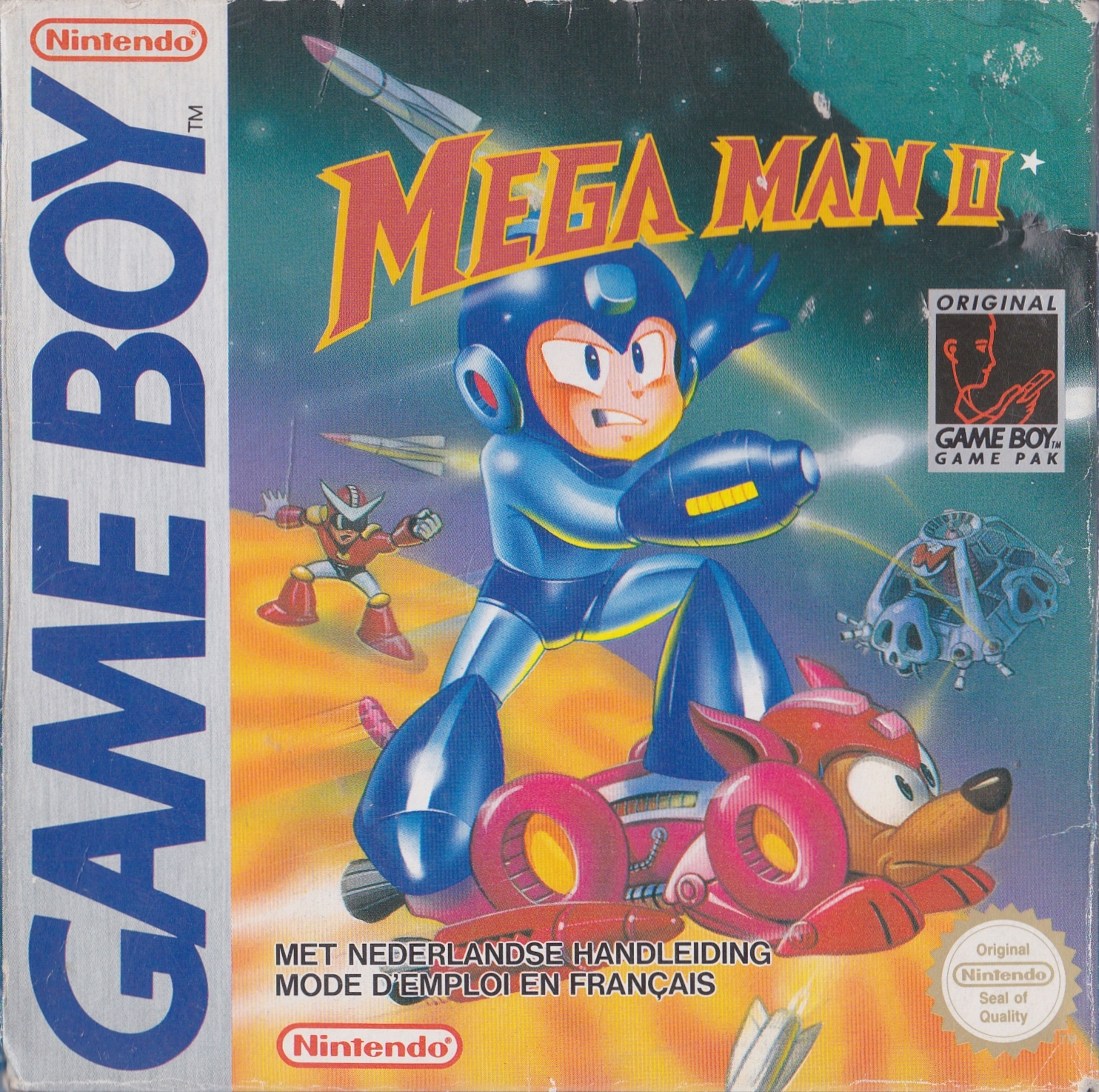
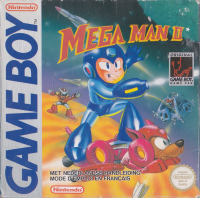
In games such as Mega Man II, III, IV, V, and Mega Man 7, Weapon Capsules appear as collectible items dropped by defeated enemies or found hidden in stages. They come in small and large sizes, restoring a set amount of weapon energy for the currently selected special weapon. These items are essential for maintaining the usability of acquired boss abilities throughout the game's levels.
Introduced as a core resource management mechanic, these refills became increasingly strategic during the Game Boy era of the
Mega Man franchise. In
Mega Man II (1992) and
Mega Man III (1993), players had to manage their usage carefully, as running out of weapon energy could render acquired boss weapons useless during critical encounters. By the release of
Mega Man IV (1994) and
Mega Man V (1994), the introduction of the in-game shop allowed players to purchase these energy refills using collected P-Chips, reducing the reliance on random enemy drops.
The transition to 16-bit hardware in
Mega Man 7 (1995) expanded the utility of these items. Players could utilize the Rush Search ability to dig up hidden capsules buried within the terrain, adding an exploration element to resource gathering. Additionally,
Mega Man 7 featured the Super Recover utility, an upgrade that increased the amount of energy restored by each collected capsule. This system of resource management established in these specific titles laid the groundwork for similar mechanics in spin-off series, cementing the iconic blue-and-white capsule design as a universal symbol for ammunition recovery across the broader franchise.