Fisher-Price Learning Software published a series of educational video games in the early 1980s aimed at young children. The lineup included titles such as Linking Logic, Logic Levels, Memory Manor, and Sea Speller, which focused on developing cognitive and language skills. Many of these titles, alongside Alpha Build, were developed in partnership with Spinnaker Software for home computers like the Commodore 64 and Apple II.
The software line translated Fisher-Price's established physical toy aesthetics into the digital realm. For instance,
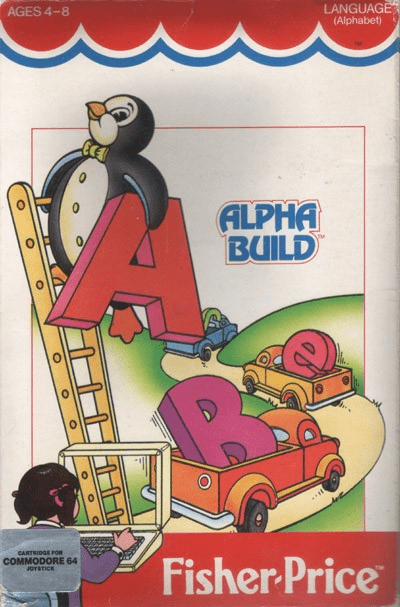
Alpha Build (1980) pioneered this transition by using block-building mechanics to teach letter recognition. The 1984 wave of releases expanded on these concepts through distinct gameplay loops. In
Linking Logic (1984) and
Logic Levels (1984), players manipulated ladders, trapdoors, and conveyor belts to guide characters or objects through grid-based puzzles, introducing basic programming logic.
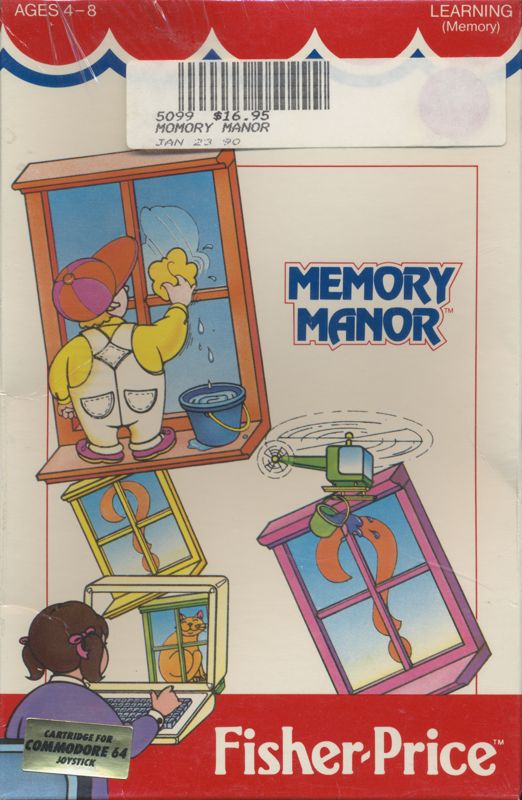
Memory Manor (1984) utilized a concentration-style matching mechanic set within a multi-room house to strengthen spatial recall, while
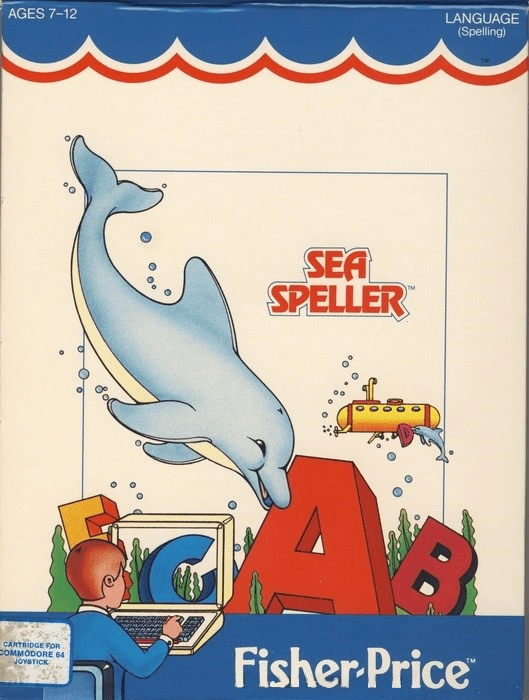
Sea Speller (1984) employed an aquatic theme where players controlled a submarine to collect letters and spell words.
These programs featured bright, high-contrast graphics designed to mimic the chunky plastic look of Fisher-Price's preschool toy lines. Packaging for these titles often included physical overlays or simplified keyboard templates to accommodate younger users with developing motor skills. This integration of tactile learning aids with digital screens established a design template for the early edutainment industry, bridging the gap between traditional playroom activities and personal computing.

.png)


.png)
.png)

.png)
.png)
.png)