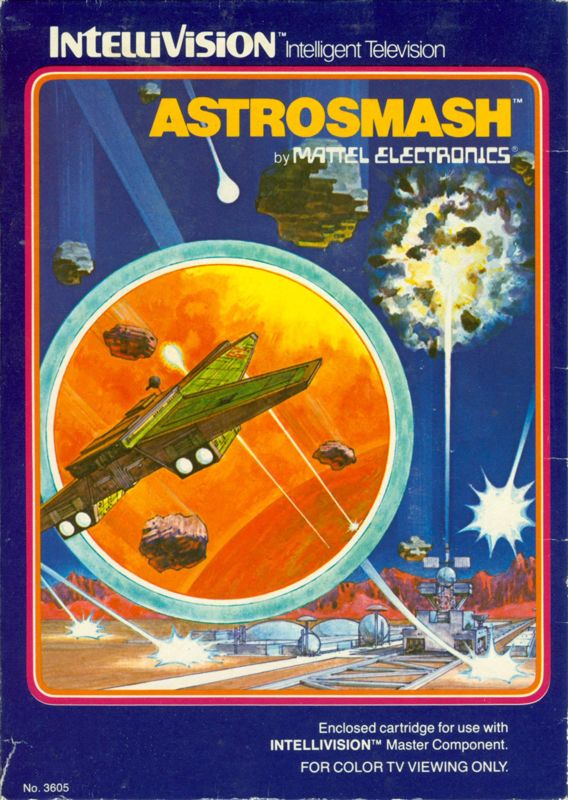
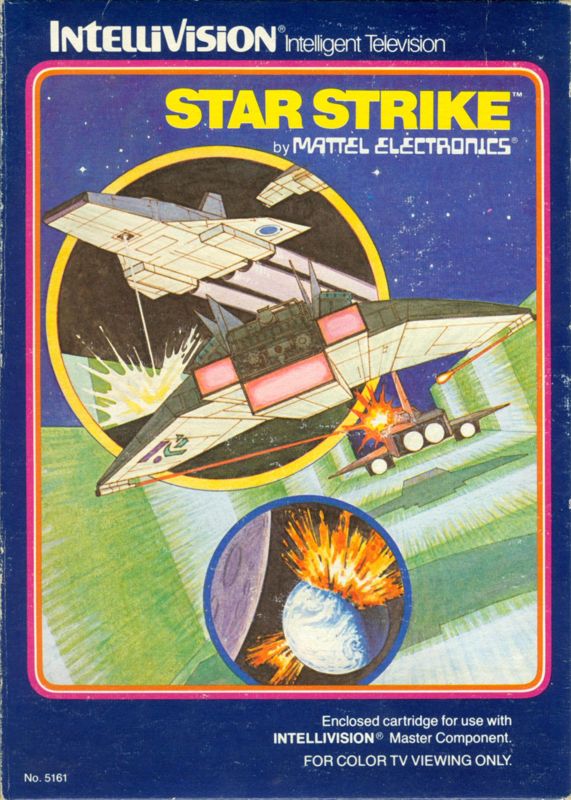
Mattel Electronics was a pioneer in the early video game industry, initially finding massive success with a line of handheld electronic sports games in the late 1970s. In 1979, they released the Intellivision console to compete with the Atari 2600, introducing advanced graphics and synthesized speech to home gaming. The division was closed in 1984 following the video game crash of 1983.
The company's early software strategy focused heavily on sports simulations and traditional board games, establishing a reputation for tactical depth. In 1978, the publisher released
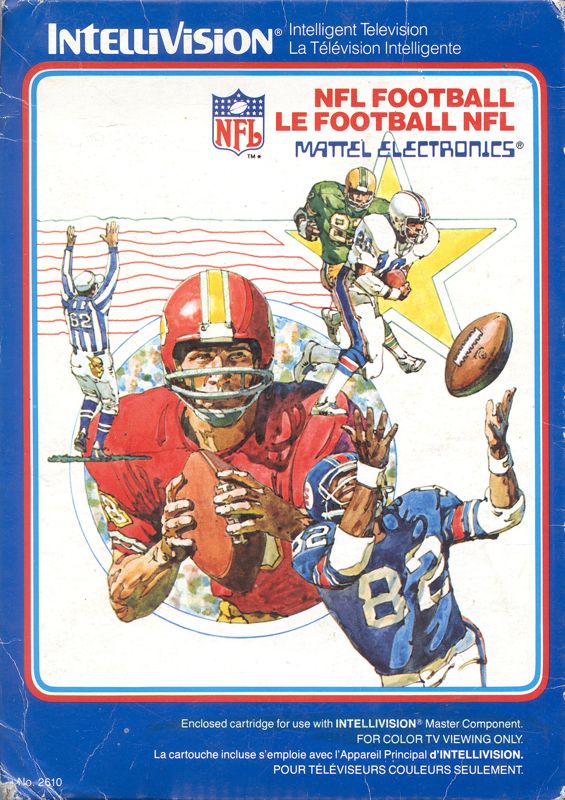
Football (1978) and
Baseball (1978), which demonstrated the commercial viability of localized electronic sports. As the brand expanded its library, it transitioned these concepts into more sophisticated home formats.
By 1979, the lineup grew to include diverse genres. Strategy and tabletop translations became a cornerstone of the catalog with the releases of
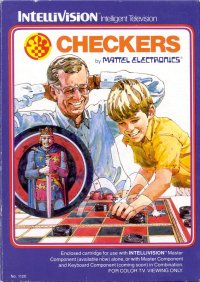
Checkers (1979) and
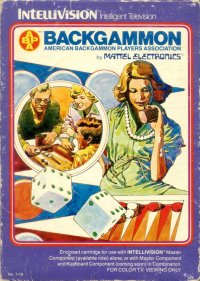
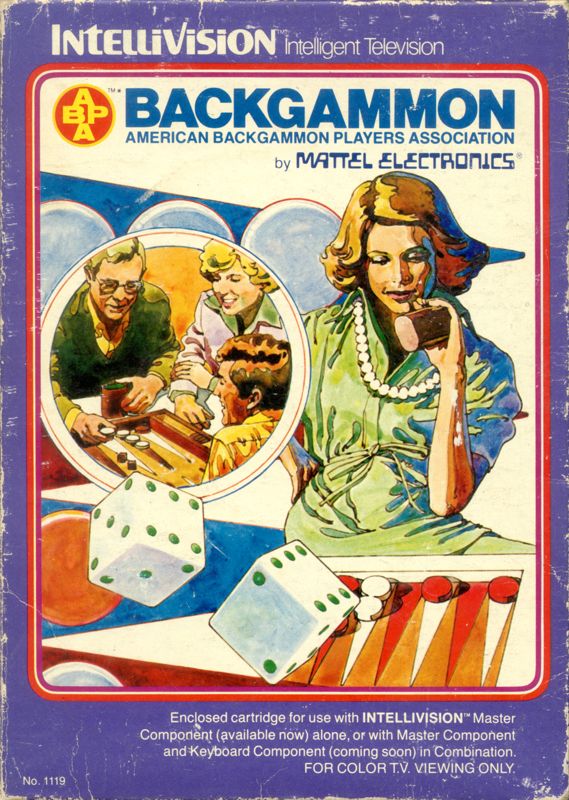
ABPA Backgammon (1979). Action and simulation titles also emerged during this period, including the vehicular combat game
Armor Battle (1979), the top-down perspective of
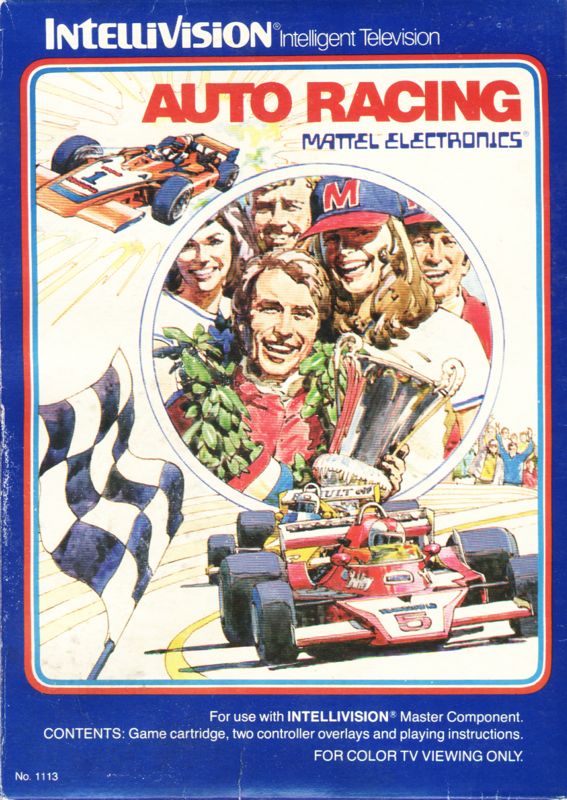
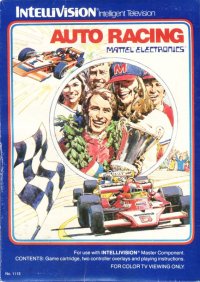
Auto Racing (1979), and the fantasy-themed
Adventure (1979). Additionally, a revised edition of
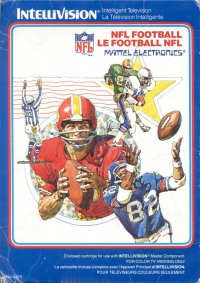
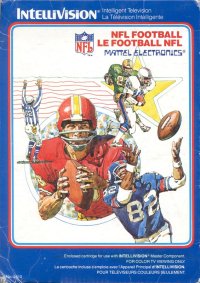
Football (1979) was published to take advantage of updated hardware capabilities. These releases utilized innovative control schemes, such as directional pads and numeric overlays, which influenced subsequent software design standards across the industry.
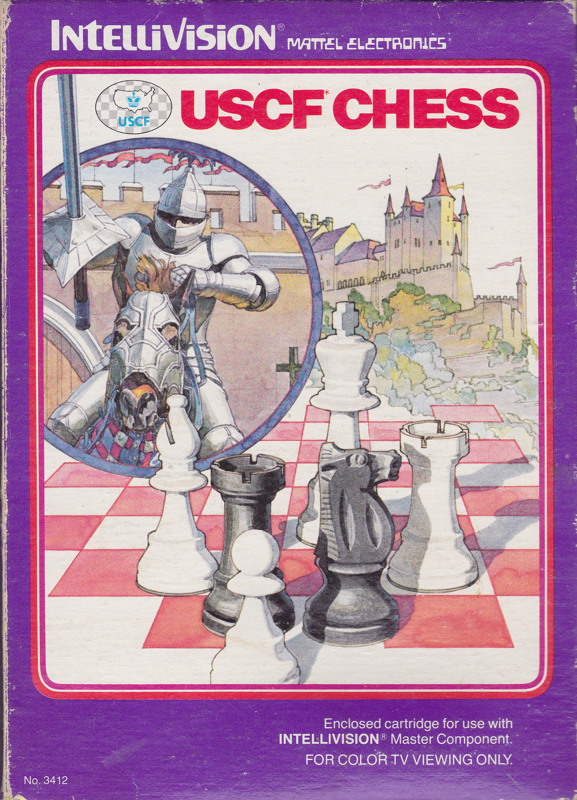
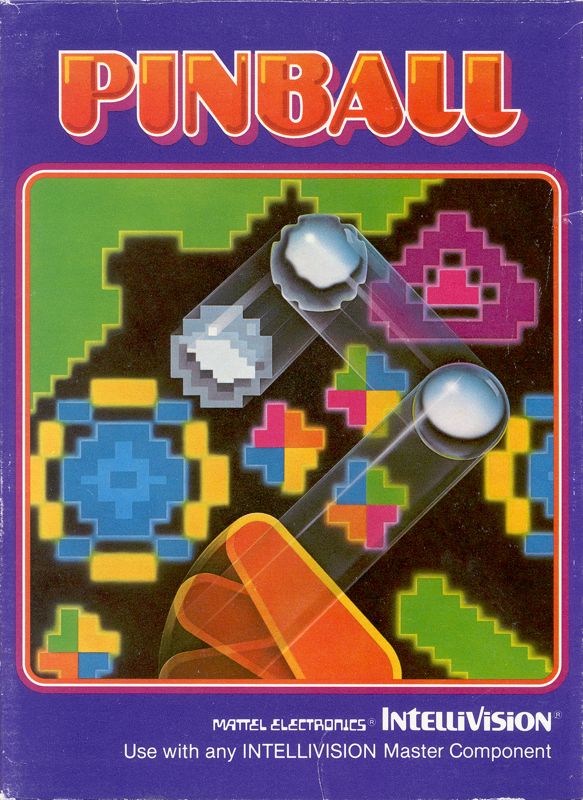
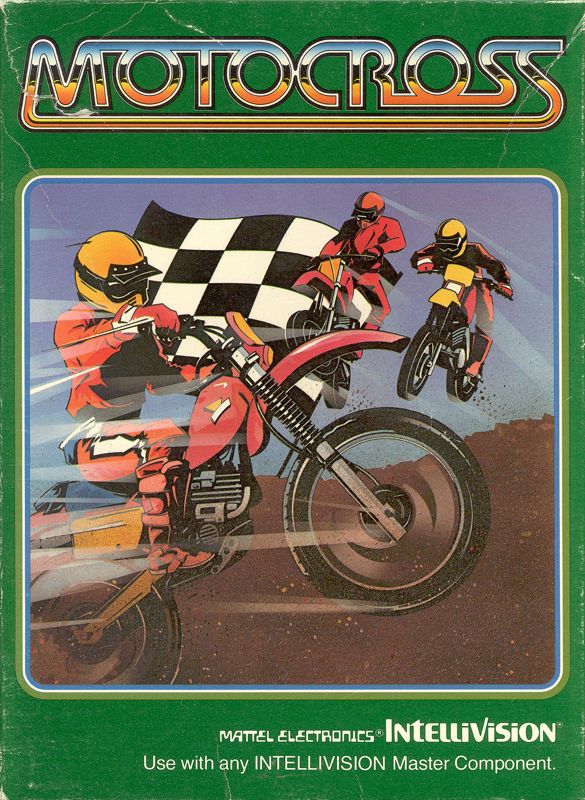
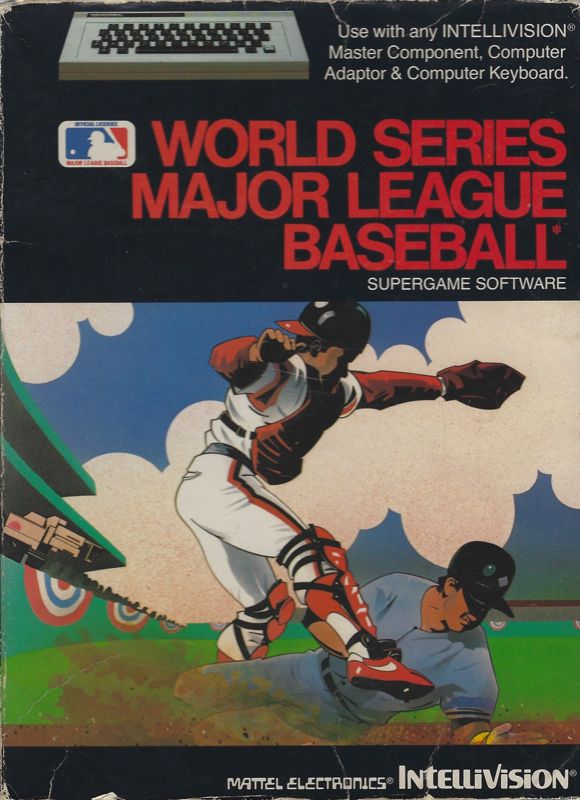
Mattel Electronics, Inc.
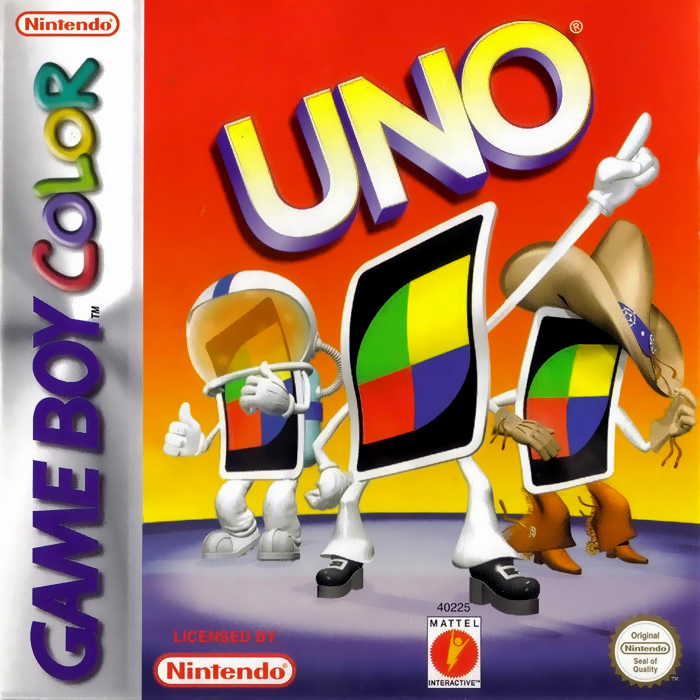
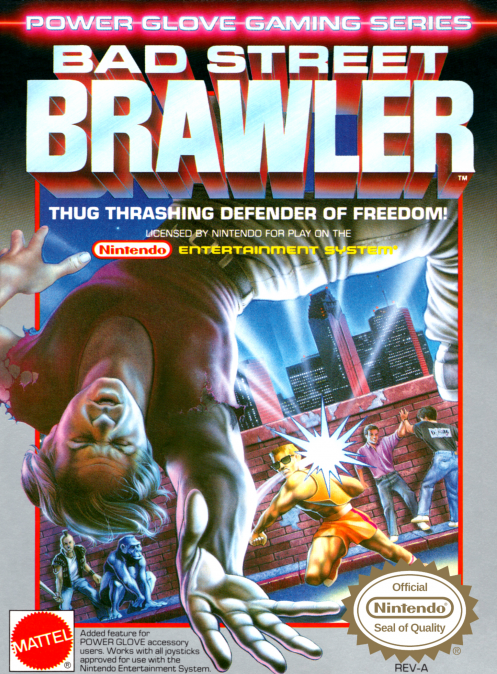
.png)
.png)
.png)
.png)
.png)
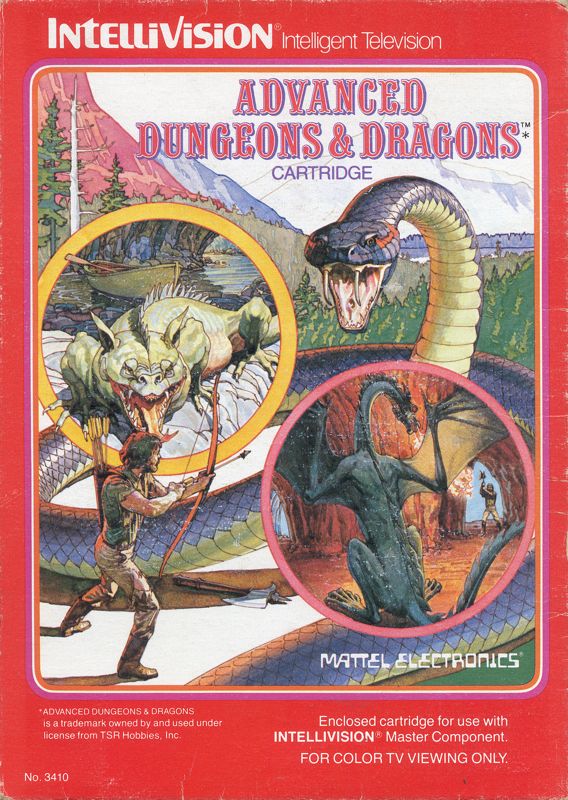
.png)
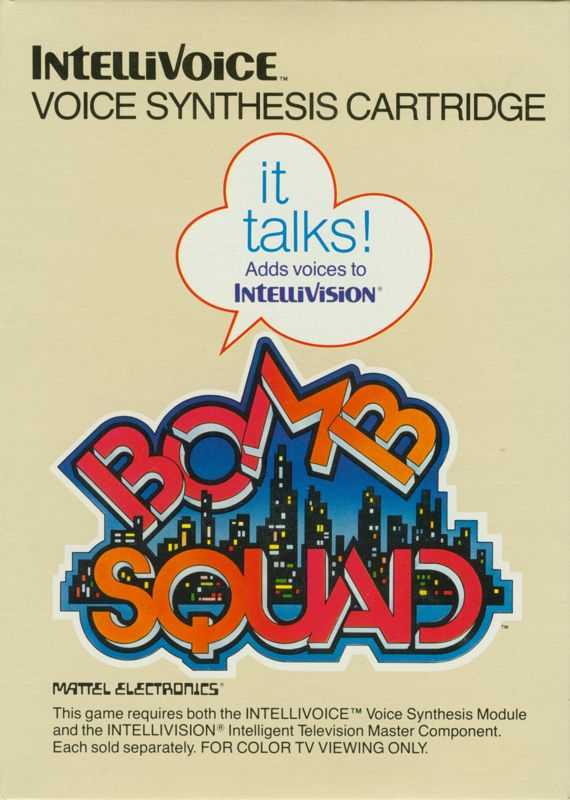



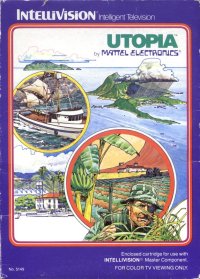
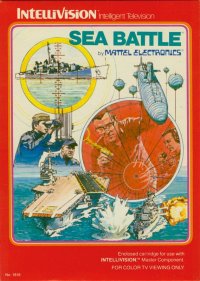
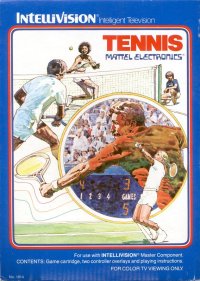
_1.jpg)



.png)
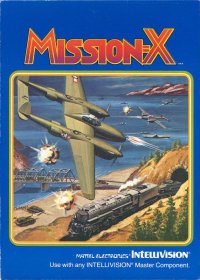





.png)
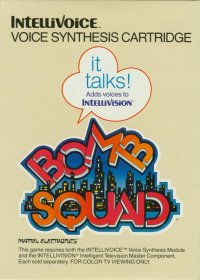
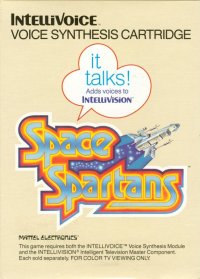
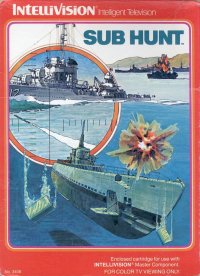
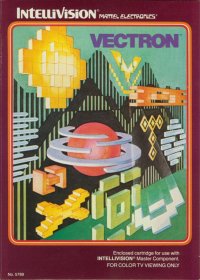
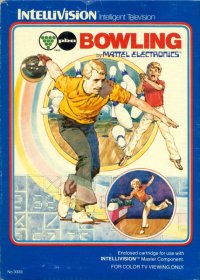
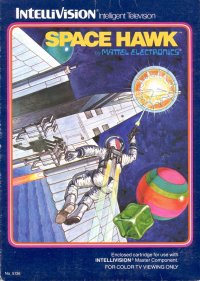
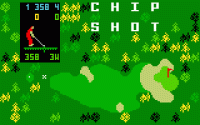
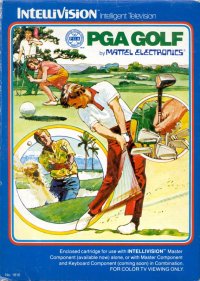
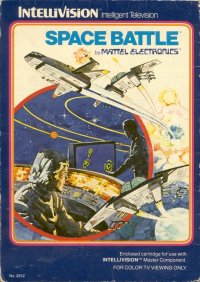
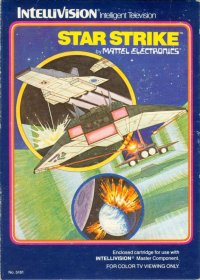

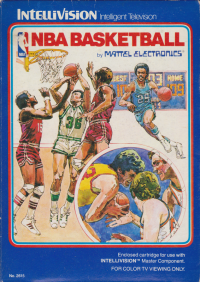
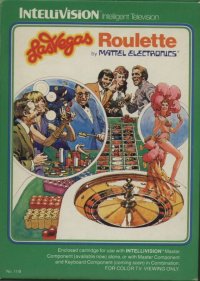

.png)
.png)
.png)
.png)




_1.jpg)