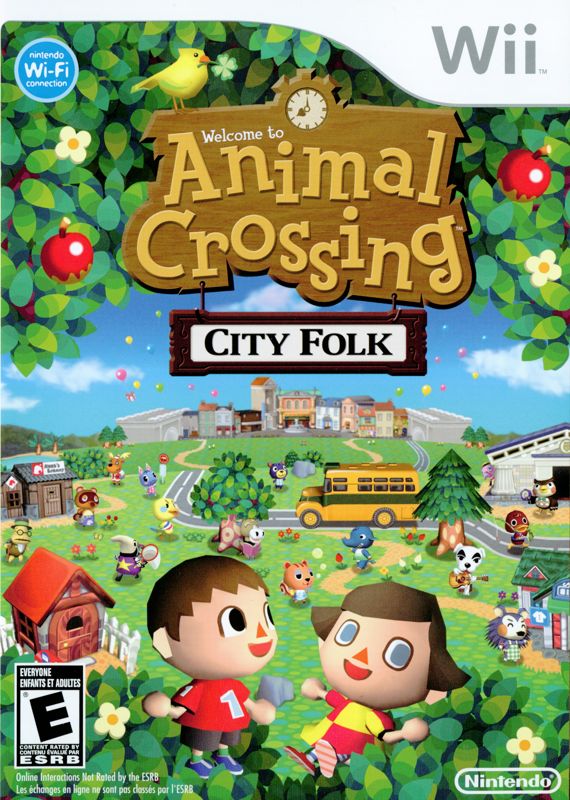
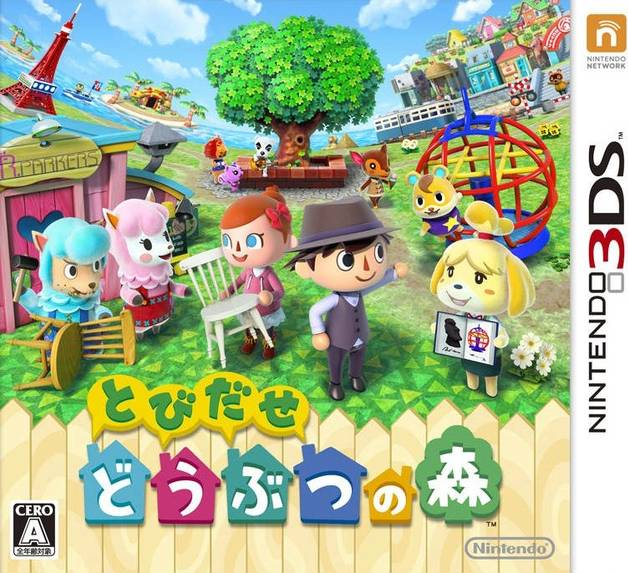
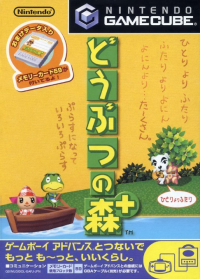
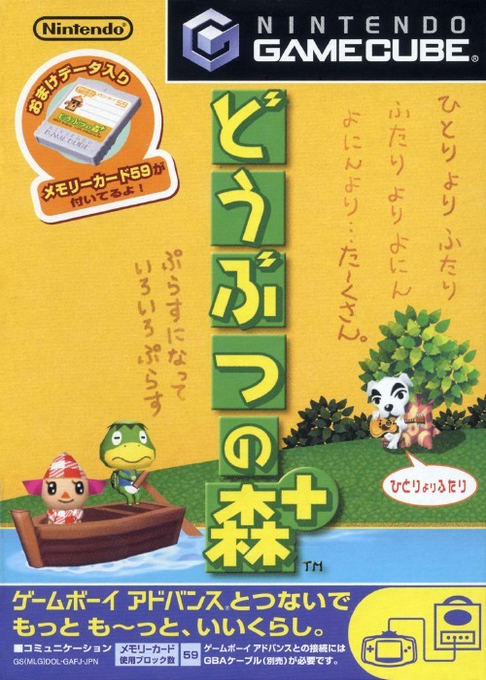
The series debuted with the 2001 Japanese release of Dōbutsu no Mori, which was localized and enhanced for the GameCube as Animal Crossing in 2002. Players engage in open-ended activities such as fishing, bug catching, and socializing with animal residents in real-time. The franchise continued on handheld systems with the release of Animal Crossing: Wild World in 2005.
The franchise's early history is defined by various regional editions, promotional releases, and retail exclusives. Following the original Japanese Nintendo 64 release of
Animal Crossing (2001), the series transitioned to the GameCube. This era saw the distribution of rare promotional versions, such as
Animal Crossing [Not for Resale] (2001), alongside standard retail editions like
Animal Crossing (2002).
To support players navigating the game's real-time calendar and collection systems, specialized retail packages emerged. These included
Animal Crossing [Prima] (2002), which bundled the game with an official strategy guide, and the
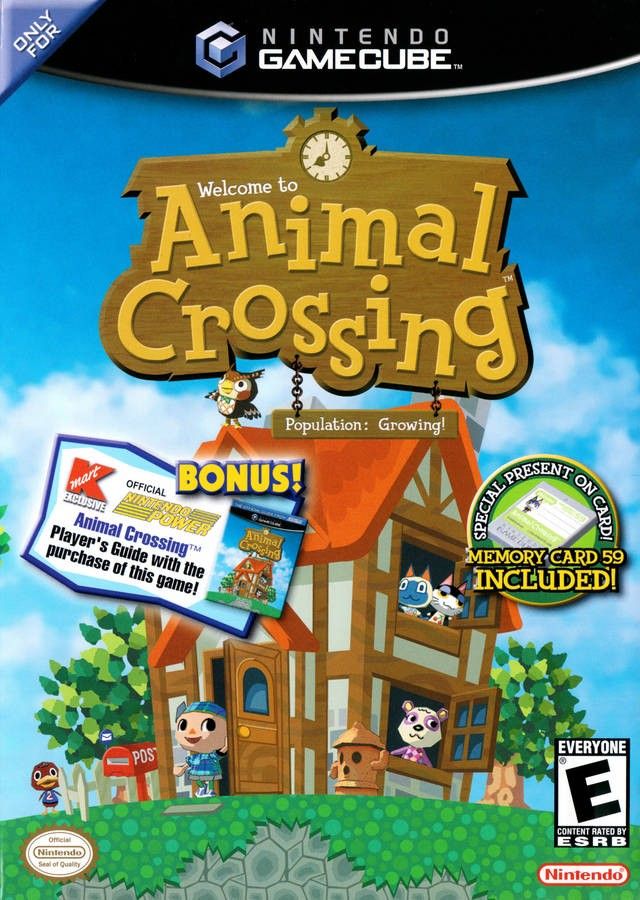
Animal Crossing [K-Mart Exclusive] (2002) bundle. As the game achieved significant commercial success, Nintendo reissued it under its budget line as
Animal Crossing [Player's Choice] (2002).
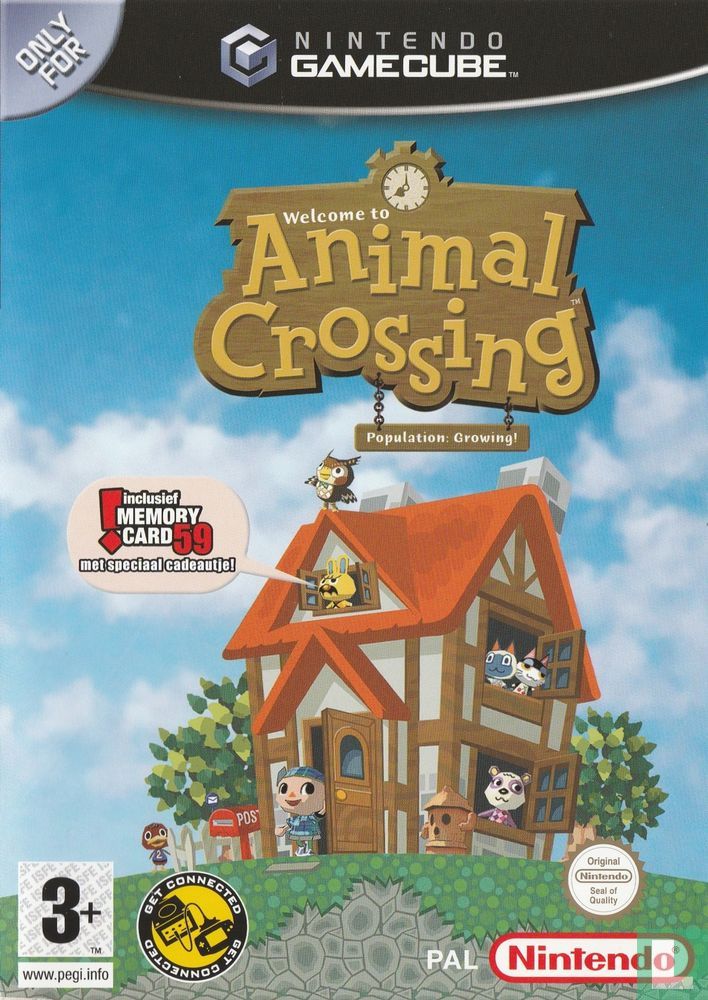
The game's reach expanded globally with the European release of
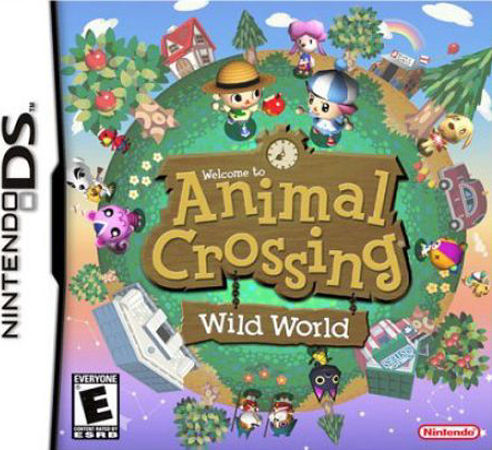
Animal Crossing (2004). This laid the groundwork for the franchise's portable evolution, culminating in the highly successful Nintendo DS release,
Animal Crossing: Wide World (2005), which introduced online multiplayer capabilities.

_1.png)

_1.jpg)


_1.jpg)





_1.png)



_1.png)



_1.png)