The Captain Tsubasa video game series began with the 1988 Famicom release, establishing a unique command-based soccer system. This formula was expanded in sequels like Captain Tsubasa II (1990), Captain Tsubasa III (1992), Captain Tsubasa IV (1993), and Captain Tsubasa V (1994). The franchise later evolved with modern adaptations, including the action-oriented Captain Tsubasa: Rise of New Champions.
Developed primarily by Tecmo during the 8-bit and 16-bit eras, this franchise popularized the "cinematic soccer" genre by blending sports simulation with role-playing mechanics. Players manage character stamina and select theatrical special maneuvers, such as the iconic Drive Shoot, which are depicted through dramatic anime-style animations rather than traditional real-time sports control.
While
Captain Tsubasa (1988) and
Captain Tsubasa II (1990) established the narrative-driven formula on the Famicom, the series transitioned to the Super Famicom with
Captain Tsubasa III (1992) and
Captain Tsubasa IV - Pro No Rival Tachi (1993), which introduced branching storylines and enhanced audio-visual presentation. The Mega-CD platform received its own self-titled adaptation,
Captain Tsubasa (1994), utilizing CD-ROM technology to incorporate fully voiced cutscenes, which was followed by the final 16-bit entry,
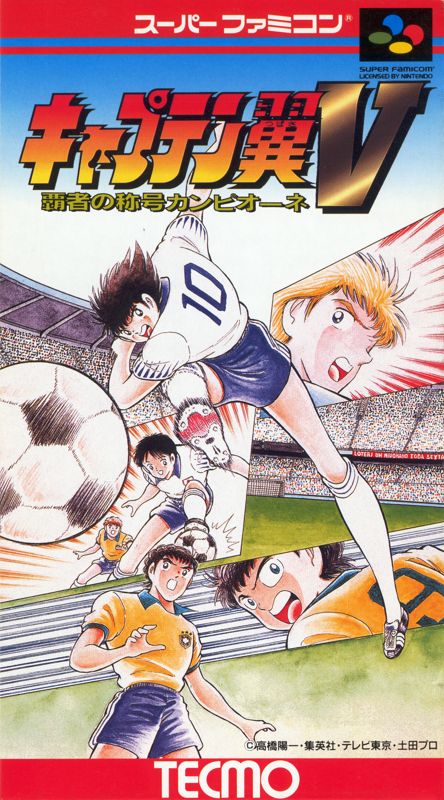
Captain Tsubasa V (1994).
The franchise later transitioned to modern platforms with
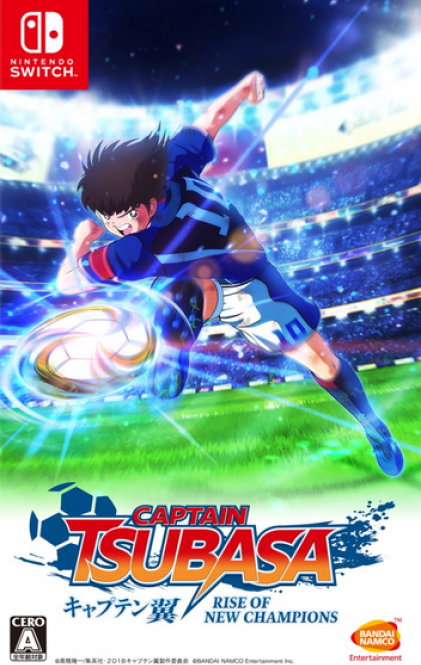
Captain Tsubasa: Rise of New Champions (2000) and its premium
Captain Tsubasa: Rise of New Champions [Collector's Edition] (2000). These releases shifted the gameplay toward real-time arcade action while preserving the signature over-the-top special moves and dramatic narrative campaigns that defined the legacy of the property.
.png)
_1.png)
.png)
.png)
.png)
_1.png)



