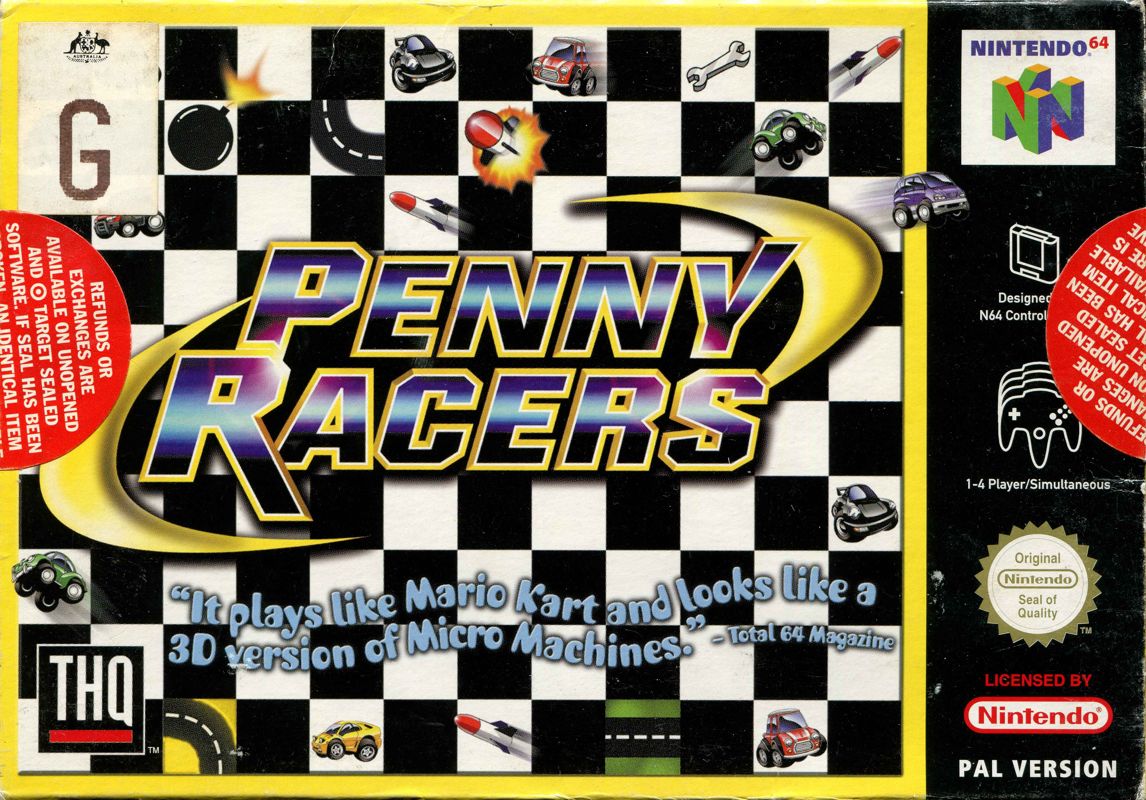
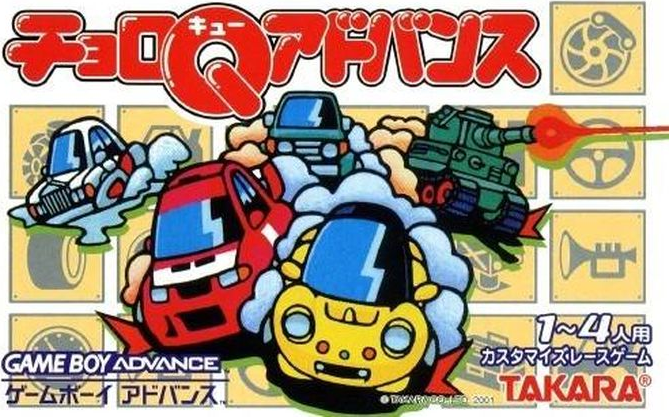
The Choro Q video game series began with the 1984 MSX release, later gaining significant popularity on the PlayStation with Choro Q (1996) and Choro Q 3 (1998). The franchise expanded across multiple platforms, including Choro Q 64 (1998) and later releases on the PlayStation 2 in 2004 and 2005. These games combine arcade racing with deep vehicle customization and role-playing elements.
Originating as a digital adaptation of Takara's miniature pull-back toy cars, this franchise transitioned from simple top-down racing in the original
Choro Q (1984) to sophisticated, semi-open-world adventures. Players earn in-game currency to purchase bodies, engines, tires, and cosmetic accessories.
The series achieved critical milestones with
Choro Q (1996), which established the signature progression loop of upgrading parts. This success led to specialized releases like
Choro Q 3 [The Best] (1998), a budget-priced reissue of the third main installment, and the collectible
Choro Q [Big Box] (1998) package. The franchise also branched onto Nintendo hardware with
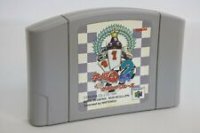
Choro Q 64 (1998) and saw a Sega Saturn adaptation simply titled
Choro Q (1998).
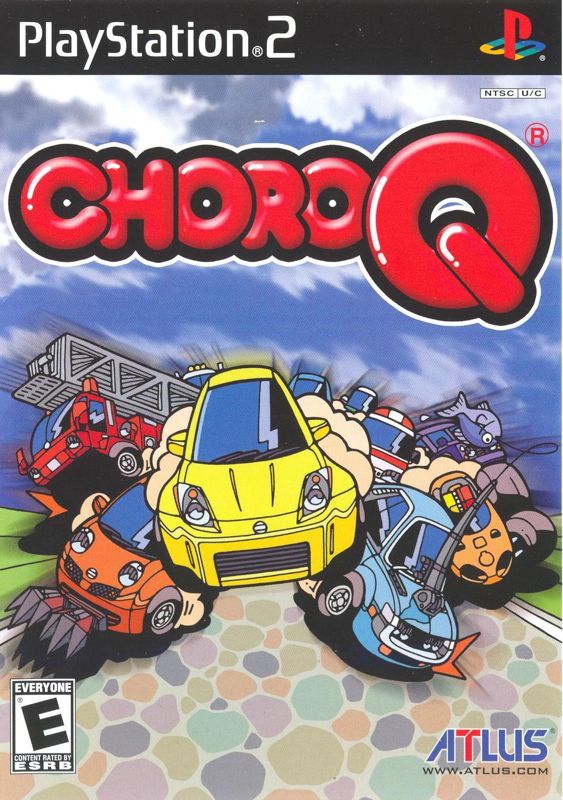
In the PlayStation 2 era, the series shifted toward expansive, narrative-driven exploration.
Choro Q (2004) introduced a living world where talking vehicles populate cities, complete quests, and elect a president. This formula was refined in
Choro Q (2005), which emphasized team-building mechanics and real-time physics. Internationally, these titles were often rebranded under names like
Penny Racers or
Road Trip, masking their connection to the Japanese toy line.
.png)
.png)
.png)
.png)
.png)

 (Alt 1).png)





.png)
.png)

.png)


.png)
.png)

 (Alt 1).png)