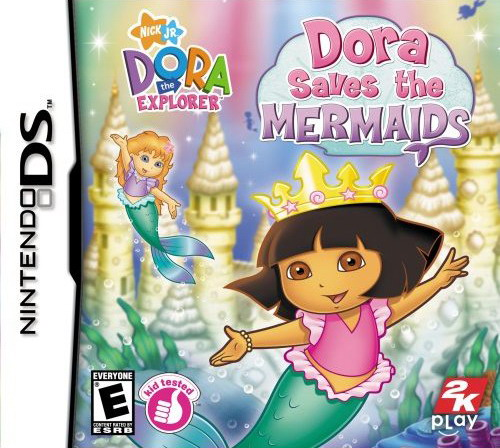
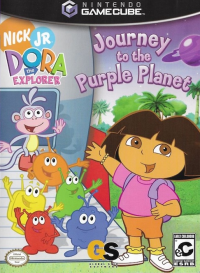
The Dora the Explorer video game series includes educational titles released across various platforms such as the Game Boy Advance, PlayStation 2, and Nintendo DS. Key entries in the franchise include Dora the Explorer: Journey to the Purple Planet, Dora the Explorer: Super Star Adventures, and Dora the Explorer: Dora Saves the Mermaids. These games focus on problem-solving, basic language learning, and adventure gameplay tailored for young audiences.
The franchise began its interactive run with the self-titled
Dora the Explorer (2000) on personal computers, establishing a point-and-click format that mirrored the television show's pacing. Early handheld adaptations quickly followed, such as
Dora the Explorer: The Hunt for Pirate Pig's Treasure (2002), which introduced side-scrolling platforming elements designed for early childhood motor skills.
As console technology progressed, developers expanded the scope of these adaptations.
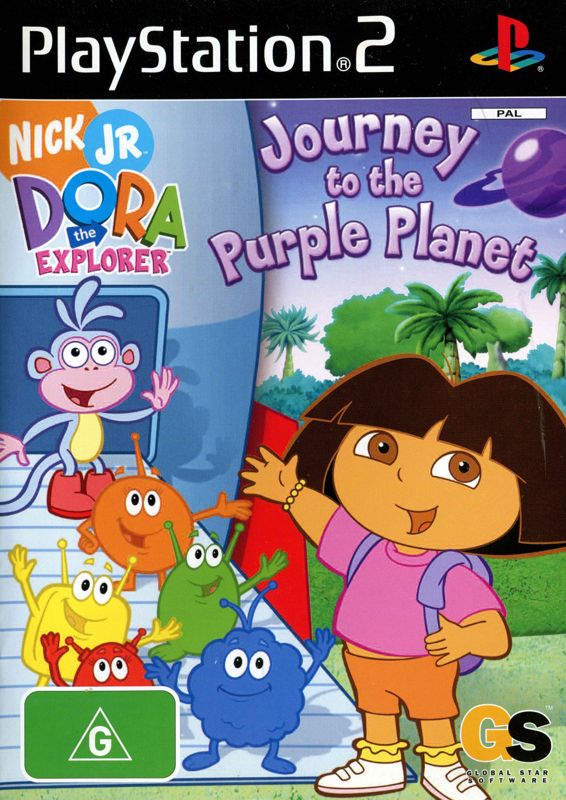
Dora the Explorer: Journey to the Purple Planet (2000) transitioned the series into 3D environments, while
Dora the Explorer: Super Star Adventures (2004) offered a collection of accessible mini-games. Global and fantasy themes became prominent in later releases;
Dora The Explorer: Dora's World Adventure (2006) introduced international locales, whereas
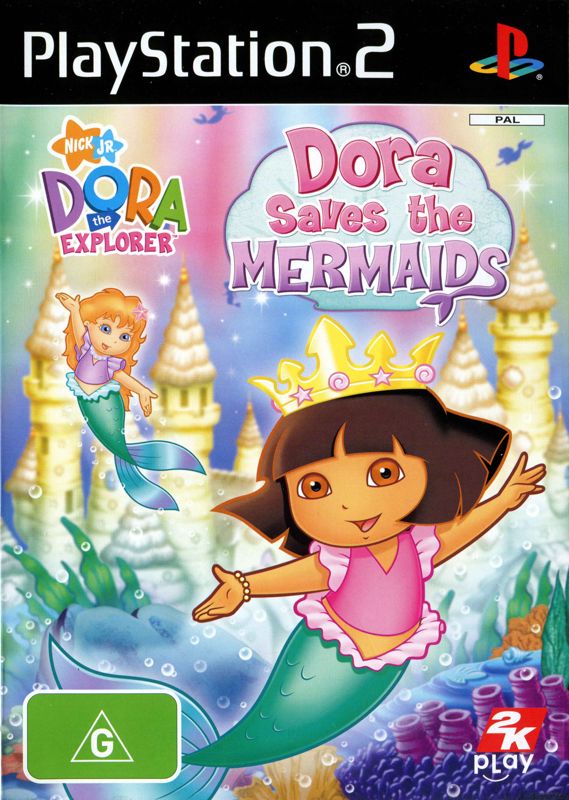
Dora the Explorer: Dora Saves the Mermaids (2008) and
Dora the Explorer: Dora Saves the Crystal Kingdom (2009) utilized narrative-driven fantasy quests. The series also branched into pet simulation with
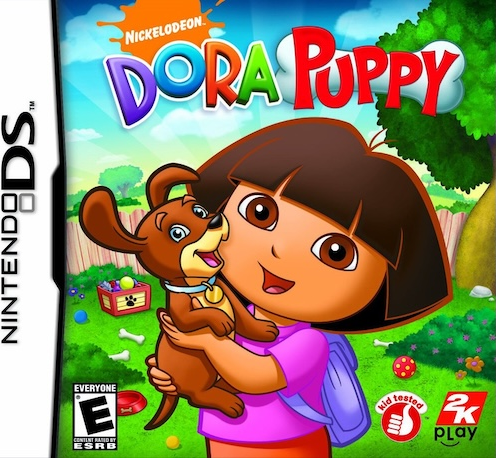
Dora the Explorer: Dora Puppy (2009), focusing on nurturing mechanics. These titles collectively defined Nickelodeon's early-2000s interactive software strategy, relying on simplified control schemes and voice-guided instructions to accommodate pre-literate players.
.png)
.png)
.png)
.png)
 (En,Fr,Nl).png)
.png)
.png)
_1.png)

.png)

.png)



 (En,Fr,Nl).png)
_1.png)

.png)
.png)
.png)

.png)



.png)


.png)