The Dragon Ball Z Budokai series began with the release of Dragon Ball Z Budokai in 2002, followed by sequels including Dragon Ball Z Budokai 3. These fighting games adapt the storylines and characters of the Dragon Ball Z anime, featuring various special editions such as Greatest Hits, Platinum, and Player's Choice releases.
Developed by Dimps, the franchise introduced a 3D fighting system that allowed players to customize characters using "capsules" containing special skills, physical transformations, and support items. The initial launch of
Dragon Ball Z Budokai (2002) on the PlayStation 2 was supported by official strategy guides, including the
Dragon Ball Z Budokai [Prima] (2002) guide and the
Dragon Ball Z Budokai [Limited Edition] [Prima] (2002) version.
Due to strong commercial performance, the original game received budget-range re-releases across different regions and platforms, including
Dragon Ball Z Budokai [Greatest Hits] (2002) in North America,
Dragon Ball Z Budokai [Platinum] (2002) in Europe, and a Nintendo GameCube port under the
Dragon Ball Z Budokai [Player's Choice] (2003) label. The series expanded its gameplay mechanics in subsequent entries, incorporating deeper fighting systems, teleportation counters, and broader character rosters, as seen in
Dragon Ball Z Budokai 3 [Limited Edition] (2000). These games established a mechanical foundation for future anime-based fighting titles, utilizing a behind-the-back camera angle and energy-management systems that defined the era's licensed adaptations.
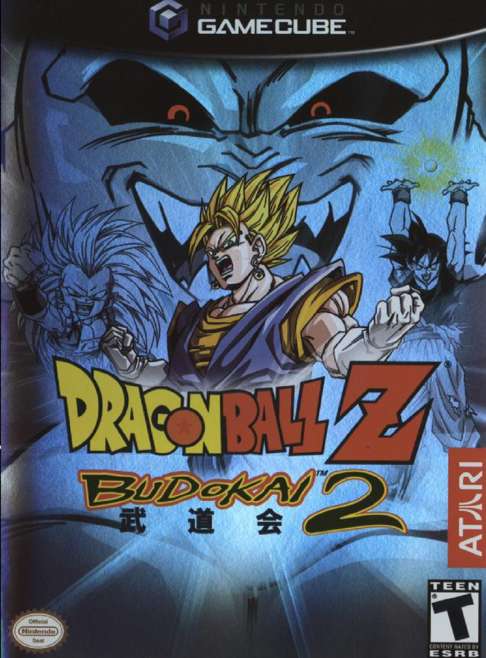
_1.png)
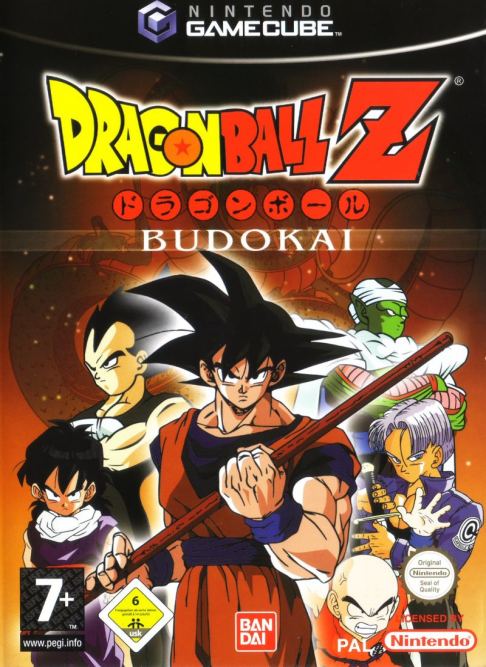




_1.png)